Точне виготовлення прес-форм та усунення дефектів
Чому деякі пляшки ISBM мають нерівне покриття горлечка?
Вичерпний діагностичний посібник, що аналізує неспіввісність форми для кільця горловини, нерівномірне охолодження, теплову деформацію під час кондиціонування, неправильне зусилля затискання та пошкодження преформи під час обробки як основні причини овальної, нахиленої або розмірно неточної обробки горловини контейнерів, отриманих методом лиття під тиском під тиском.

Оздоблення шийки як критичний функціональний інтерфейс контейнера ISBM
Оздоблення горловини контейнера, отриманого методом лиття під тиском, — це набагато більше, ніж просто косметичний елемент. Це точно спроектований функціональний інтерфейс між контейнером та його кришкою. Різьба повинна плавно зчіплюватися з кришкою. Герметизуюча поверхня повинна бути ідеально рівною та без дефектів, щоб утворювати герметичне ущільнення, яке запобігає протіканню та зберігає цілісність продукту. Кільце горловини, фланець під різьбою, має бути точним за розмірами, щоб правильно розташувати контейнер на лінії розливу та забезпечити точку захоплення для роботизованих затискачів, які переміщують преформу через машину ISBM. Якщо оздоблення горловини овальне, нахилене, замале або завелике або пошкоджене дефектами поверхні, наслідки є негайними та серйозними. Невдалі закупорювання на лінії розливу призводять до дорогих зупинок, розливу продукту та пошкодження обладнання. Протікання контейнерів призводить до втрат продукту, скарг споживачів та потенційної шкоди бренду. Вічна Сила, всесвітньо визнаного бразильського виробника ISBM, наша команда інженерів-прес-форм має великий досвід у діагностиці та виправленні дефектів обробки горловини на таких платформах, як 4-станційний верстат EP-HGY150-V4.
Нерівномірна обробка горловини є особливо неприємним дефектом, оскільки вона виникає внаслідок складної взаємодії факторів, що охоплюють ливарну форму, станцію кондиціонування, систему перенесення та станцію розтягування-видування. Обробка горловини – це єдина частина преформи, яка повністю сформована та охолоджена під час етапу інжекції, а потім повинна витримати термічне кондиціонування та механічні напруження перенесення без деформації. На відміну від корпусу контейнера, який навмисно розтягується та формується у видувній формі, обробка горловини повинна залишатися розмірно стабільною протягом усього процесу. Якщо це не так, першопричина може полягати в нерівномірному вирівнюванні форми, нерівномірному охолодженні вставок кільця горловини, перегріві горловини під час кондиціонування, нерівномірному зусиллі затиску від передавальних затискачів або пошкодженні під час викидання та обробки. Цей вичерпний діагностичний посібник розбере кожен із цих механізмів першопричин, пояснить, як вони створюють конкретні моделі нерівномірності обробки горловини – овальну, нахилену або розмірно невідповідну – та надасть систематичні протоколи коригувальних дій для відновлення обробки горловини до заданої точності. Ми посилатимемося на конкретні характеристики машин та елементи конструкції форми на таких платформах, як сервопривідна... EP-HGY150-V4-EV Повний сервопривід.
Горловина є розмірною точкою всієї ємності. Оволодіння її точністю є важливим для експлуатаційної надійності лінії розливу. Цей посібник містить повну систему діагностики та коригувальних заходів.
Нерівномірне вирівнювання форми кільця шийки та нерівномірне охолодження
Найпоширеніші причини нерівномірної обробки горловини виникають у самій ливарній формі, зокрема у вставках кільця горловини, які утворюють різьбу, ущільнювальну поверхню та кільце горловини.
Невідповідність ліній розколу та формування овальної шиї
Горловина преформи утворюється за допомогою вставки з розрізним кільцем горловини всередині прес-форми. Ця вставка складається з двох половин, які змикаються навколо штифта серцевини, утворюючи повний профіль горловини. Коли форма правильно вирівняна, дві половини ідеально стикаються на лінії розриву, утворюючи круглу форму горловини в межах заданого допуску, зазвичай на кілька сотих міліметра. Якщо дві половини вставки кільця горловини не вирівняні, або тому, що плити форми не ідеально паралельні, половинки вставки неправильно розміщені у своїх гніздах, або сама вставка пошкоджена чи зношена, отримана горловина буде некруглою. Найпоширенішим проявом є овальна горловина, де діаметр, виміряний по лінії розриву, відрізняється від діаметра, виміряного перпендикулярно до лінії розриву. Овальна горловина не буде правильно герметизуватися з круглим затвором. Коригувальні дії починаються з вимірювання поверхні горловини дефектних контейнерів за допомогою прецизійного калібру або координатно-вимірювальної машини для кількісної оцінки овальності. Потім слід перевірити форму. Вирівнювання плит форми слід перевірити за допомогою індикатора годинникового типу. Половинки вставки кільця горловини слід зняти, перевірити на наявність зносу, пошкоджень або забруднень на поверхнях, що з'єднуються, а потім встановити їх назад, перевіривши правильність їхньої посадки. Слід перевірити силу затиску форми та паралельність затиску. Якщо плити не паралельні, затискач може застосовувати нерівномірне зусилля, що призводить до зміщення половинок форми одна відносно одної під час лиття під тиском. На формах з високою кавітацією, що використовуються на таких машинах, як EP-HGY250-V4-B, кожну порожнину необхідно перевіряти окремо, оскільки перекіс може бути локалізований в одній порожнині через пошкоджену пластину або зміщену кишеню.
Диференціальне охолодження та спотворення теплового стиснення
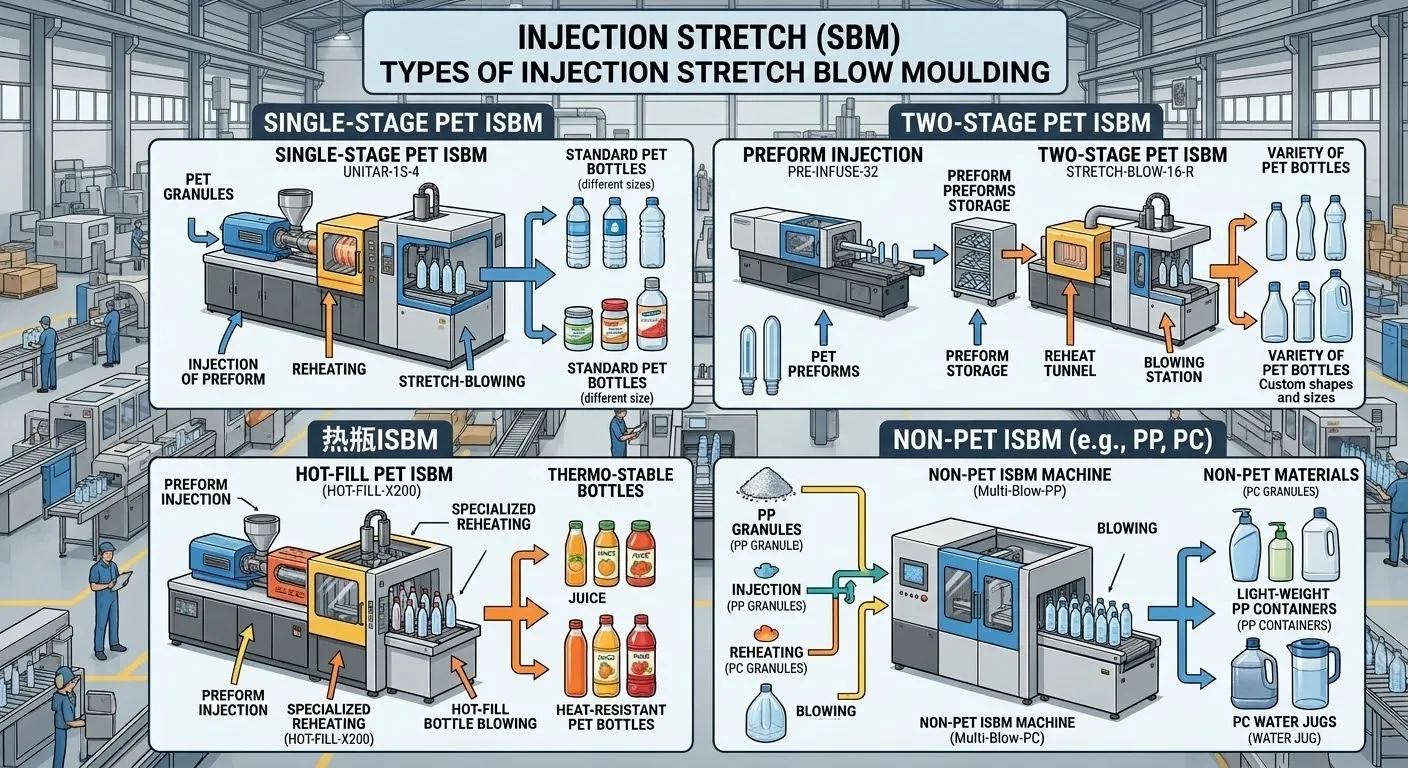
Вставку кільця горловини необхідно охолоджувати, щоб затвердіти поверхню горловини преформи та зберегти її розмірну стабільність. Якщо охолодження нерівномірне, одна сторона кільця горловини може бути холоднішою за іншу. Холодніша сторона затвердіє першою, а тепліша сторона продовжить охолоджуватися та стискатися після відкриття форми, що потенційно може деформувати поверхню горловини. Нерівномірне охолодження може бути спричинене частково заблокованим охолоджувальним каналом в одній половині вставки кільця горловини, дисбалансом у потоці охолоджувальної води між двома половинами форми або пошкодженим кільцем ущільнювача, яке дозволяє охолоджувальній воді обходити передбачуваний шлях потоку. Діагностичний підхід полягає у вимірюванні температури кожної половини вставки кільця горловини за допомогою поверхневої термопари або тепловізійної камери. Різниця температур більше ніж на кілька градусів між половинами вказує на дисбаланс охолодження. Потік охолоджувальної води до кожної половини форми слід вимірювати та збалансовувати. Охолоджувальні канали у вставках кільця горловини слід перевіряти на наявність мінерального накипу та за необхідності видаляти накип ультразвуком. Кільця ущільнювачів слід замінити, якщо вони мають будь-які ознаки пошкодження. Для форм, що обробляють високотемпературні матеріали, такі як полікарбонат, або для форм з високою кавітацією, що виготовляють тонкостінні преформи, охолодження кільця горловини є особливо важливим, оскільки теплове навантаження вище, а теплова маса вставки менша. Спеціальні форми для видування з розтягуванням під одним кроком від Ever-Power розроблені з конформними охолоджувальними каналами в області кільця шийки, щоб забезпечити рівномірний розподіл температури та запобігти деформації поверхні шийки, пов'язаній з охолодженням.
Термічна деформація під час кондиціонування та нерівномірне перенесення затискання
Навіть якщо преформа виходить з ливарної форми з ідеальною шийкою, ця обробка може бути порушена надмірним нагріванням під час кондиціонування або нерівномірними механічними зусиллями від передавальних затискачів.
🌡️Міграція тепла від корпусу преформи до обробки грифа
Під час етапу кондиціонування корпус преформи нагрівається приблизно до 95-110 градусів Цельсія, щоб підготувати його до розтягування. Натомість, горловина має залишатися холодною та жорсткою. Кондиціонери призначені для нагрівання лише корпусу преформи, захищаючи шийку від прямої передачі тепла. Однак тепло може мігрувати від гарячого корпусу в область горловини шляхом теплопровідності вздовж стінки преформи. Якщо температура кондиціонування занадто висока або час кондиціонування занадто довгий, горловина може розм'якшитися та почати деформуватися. Різьба може деформуватися під дією сили затиску передавальних затискачів, або кільце горловини може деформуватися через нерівномірне теплове розширення. Горловина також може стати овальною, оскільки розм'якшений матеріал знімає залишкові напруження, що виникли після етапу лиття під тиском. Коригувальна дія полягає в перевірці правильного розташування кондиціонерів та ефективності захисту горловини. Якщо спостерігається розм'якшення горловини, температуру кондиціонування, особливо в зоні плеча, найближчій до горловини, слід зменшити. Час кондиціонування слід мінімізувати до тривалості, необхідної для досягнення цільової температури корпусу без перегріву горловини. Для машин із зонним керуванням кондиціонуванням, таких як EP-HGYS280-V6Температурний профіль можна налаштувати для забезпечення різкого теплового градієнта, нагріваючи корпус та активно охолоджуючи шийку. Також слід перевірити, чи область шийки форми має достатнє охолодження під час етапу інжекції, щоб створити холодну, стабільну за розмірами шийку, яка може протистояти подальшому тепловому впливу під час кондиціонування.
🤖Невідповідна сила затискання переносу та неспівпадання захоплення
Преформа транспортується через машину ISBM за допомогою роботизованих передавальних затискачів, які захоплюють кільце горловини. Якщо сила затиску надмірна або якщо затискачі не ідеально вирівняні, вони можуть деформувати кільце горловини, створюючи овальну або похилу поверхню горловини. Нерівномірна сила затиску може бути результатом зношеного або пошкодженого механізму затиску, неправильно налаштованого приводу затиску або забруднення на поверхнях затиску, що перешкоджає рівномірному контакту з кільцем горловини. Слід перевірити вирівнювання затискачів. Поверхні затискачів слід перевірити на наявність зносу, пошкоджень або забруднення. Силу затиску слід відрегулювати до мінімального значення, яке надійно захоплює преформу, не деформуючи її. Якщо сила затиску встановлена занадто високою, гаряча преформа, навіть якщо горловина відносно холодна, може бути стиснута до точки постійної деформації. Також слід перевірити час спрацьовування затиску. Якщо затискачі закриваються до того, як преформа повністю виштовхується з форми для лиття під тиском, або якщо вони відпускають преформу до того, як вона повністю встановлюється у форму для видуву, преформа може впасти або бути неправильно розташована, що може пошкодити поверхню горловини. На високошвидкісних машинах, таких як EP-HGY200-V4, час та сила затискання є критичними параметрами, які необхідно точно встановлювати та періодично перевіряти, щоб запобігти накопиченому пошкодженню покриття шийки протягом мільйонів циклів.
Пошкодження від викиду, зношений інструмент та профілактичне обслуговування для якості обробки шийки
Заключні етапи процесу та довгостроковий стан прес-форми також відіграють вирішальну роль у підтримці точності обробки горловини протягом мільйонів циклів.
Удари від викидання та пошкодження під час вильоту
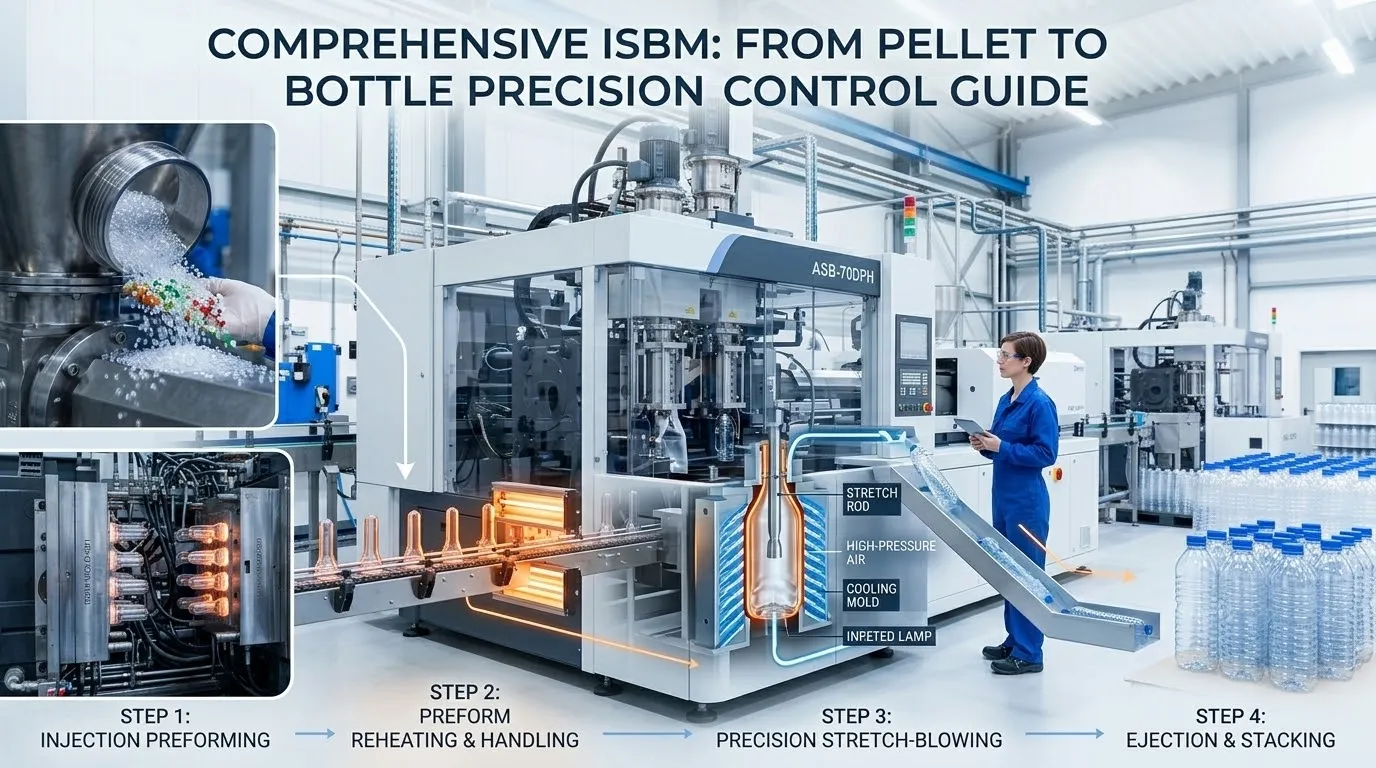
Після етапу впорскування преформу необхідно викинути з штифта-опорника. Якщо сила виштовхування надмірна або якщо механізм виштовхування нерівномірно вдаряється об преформу, обробка горловини може деформуватися. Викидна втулка або знімна пластина повинні прикладати рівномірну силу по всьому колу кільця горловини. Зношений або пошкоджений механізм виштовхування може прикладати силу лише з одного боку, нахиляючи преформу під час її викидання та потенційно деформуючи обробку горловини. Після викидання роботизовані виймальні важелі захоплюють преформу за кільце горловини та переносять її на станцію кондиціонування або на конвеєр. Якщо виймальні важелі неправильно вирівняні або вони закриваються з надмірним зусиллям, вони можуть пошкодити обробку горловини. Захоплювальні важелі виймальних важелів слід періодично перевіряти та замінювати, якщо поверхні захоплення зношені або забруднені. Рух виймального важеля повинен бути плавним та добре демпфованим, щоб уникнути ударних навантажень на обробку горловини. Для високошвидкісного виробництва на таких машинах, як... EP-HGY250-V4-BСистеми викидання та виймання повинні працювати з точністю за високих циклів, щоб уникнути кумулятивного пошкодження обробки горловини. Слід перевірити час рухів викидання та виймання, щоб переконатися в їхній синхронізації та відсутності механічних перешкод, які можуть створювати навантаження на заготовку.
Зношені вставки шийних кілець та поступове погіршення якості
Вставки кільцевих шийок – це прецизійні компоненти, які піддаються циклічним термічним та механічним навантаженням протягом мільйонів циклів. З часом поверхні вставок можуть зношуватися, особливо лінія розриву, де стикаються дві половинки. У міру зношування лінії розриву зазор між половинками вставки збільшується, а обробка горловини демонструватиме поступово погіршення форми, що погіршується, або зростаючу овальність. Різьбові поверхні та ущільнювальна поверхня також можуть зношуватися, особливо якщо матеріал преформи містить абразивні наповнювачі або забруднення. Зношені вставки призводять до обробки горловини, розміри якої не відповідають специфікаціям. Регулярний графік перевірки вставок кільцевих шийок є важливою частиною програми технічного обслуговування форми. Вставки слід вимірювати на знос за допомогою каліброваного калібру або системи візуального контролю, і їх слід замінювати, коли знос перевищує допустимий допуск. Замінні вставки повинні бути виготовлені відповідно до оригінальних специфікацій форми та повинні бути встановлені та вирівняні з тією ж точністю, що й оригінальні вставки. Для операцій, що працюють 24 години на добу, 7 днів на тиждень, вставки кільцевих шийок може знадобитися замінювати щорічно або частіше для підтримки якості обробки горловини. Спеціальні форми для видування з розтягуванням під одним кроком від Ever-Power виготовляються із загартованих, зносостійких інструментальних сталей і розраховані на тривалий термін служби, але регулярна перевірка та своєчасна заміна зношуваних компонентів є важливими практиками для підтримки точності обробки шийки.
EP-HGY150-V4-EV, високопродуктивний EP-HGY250-V4-B, і наші прецизійно розроблені Спеціальні форми для видування з розтягуванням під одним кроком, розроблені для забезпечення точного термоконтролю, механічного вирівнювання та довговічності форми, необхідних для стабільного виробництва покриттів горловини, які відповідають найвимогливішим вимогам преміальної упаковки.

Досягніть ідеальної точності обробки шийки завдяки систематичному контролю якості
Нерівномірна обробка горловини пляшок ISBM спричинена ідентифікованими та виправними першопричинами: нерівномірне вирівнювання форми кільця горловини, що створює овальність, нерівномірне охолодження, що спричиняє теплову деформацію, міграція тепла від кондиціонування, що розм'якшує шийку, нерівномірне зусилля передачі затиску, що деформує кільце горловини, а також пошкодження під час викидання або обробки. Кожна причина має певні коригувальні дії, що включають вирівнювання форми, перевірку балансу охолодження, оптимізацію температури кондиціонування, регулювання затиску та профілактичне обслуговування інструментів. Оволодівши цими діагностичними та коригувальними протоколами, а також використовуючи прецизійну інженерію машин та прес-форм Ever-Power, виробники можуть досягти точності обробки горловини на мікронному рівні, що забезпечує бездоганну продуктивність укупорки та цілісність продукту на лінії розливу. Вічна Сила, наша відданість точному виробництву та всебічна підтримка клієнтів гарантують, що кожен контейнер, вироблений на наших платформах, відповідає суворим стандартам обробки горловини світової пакувальної галузі.