Photo-Protection and Product Integrity Engineering
Como é obtida a resistência aos raios UV nas embalagens da ISBM?
A definitive engineering guide to ultraviolet blocking technologies including co-injected multilayer structures, UV absorber additives, and surface coatings that protect light-sensitive beverages, pharmaceuticals, and personal care products from photodegradation.
The Critical Need for Ultraviolet Protection in Transparent Packaging
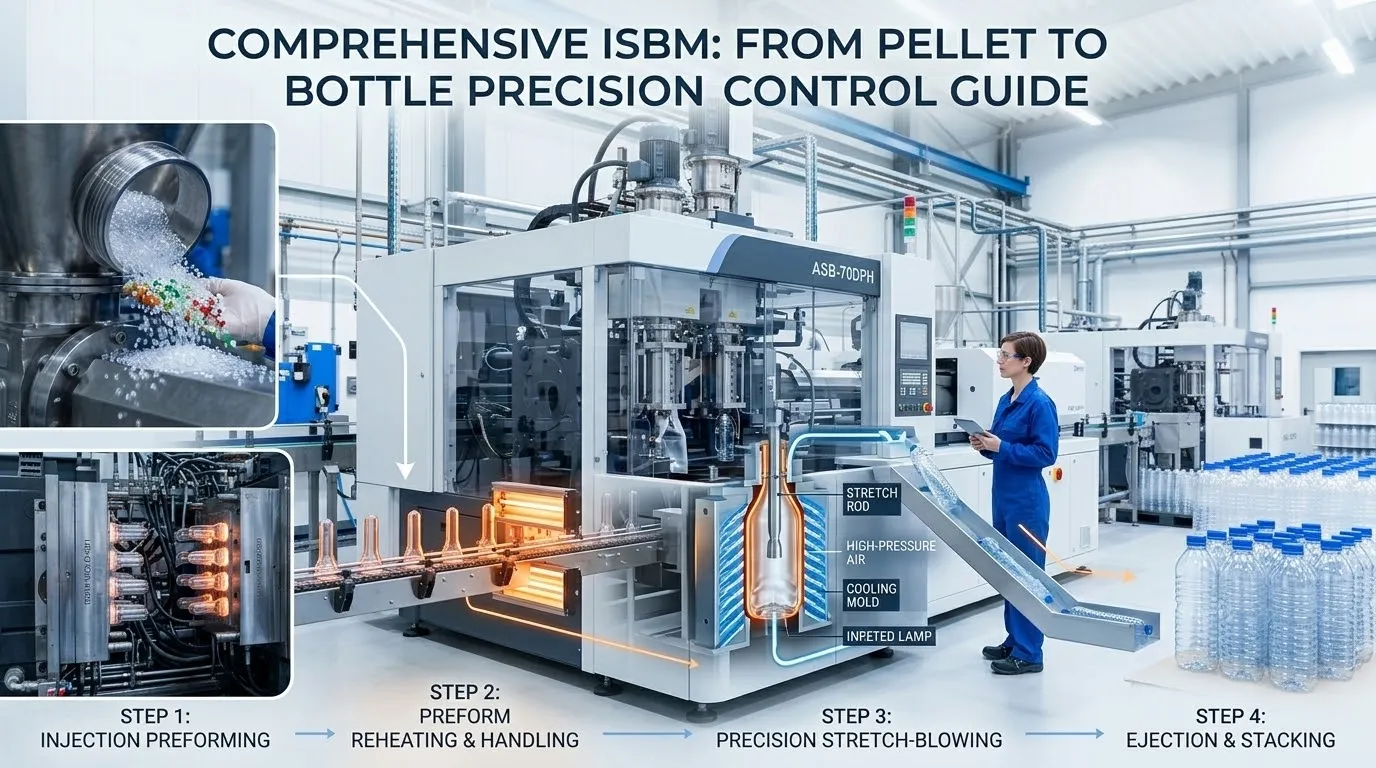
The very property that makes injection stretch blow molded PET containers so commercially successful, their brilliant, glass-like transparency, is also their greatest vulnerability when it comes to protecting light-sensitive products. Standard PET, while an excellent barrier to visible light scattering, is largely transparent to ultraviolet radiation in the UV-A and UV-B spectrum, wavelengths ranging from approximately 280 to 400 nanometers. This ultraviolet light, a natural component of sunlight and also present in many retail lighting systems, carries sufficient photon energy to break chemical bonds. When UV light penetrates a clear container and strikes a sensitive product, it can trigger a cascade of photochemical degradation reactions. Vitamins are destroyed. Flavors become stale or develop off-notes. Colors fade. Active pharmaceutical ingredients lose their potency. Edible oils become rancid. Dairy products develop light-struck flavors. For brands in the beverage, pharmaceutical, personal care, and food industries, UV degradation is not a minor quality nuisance. It is a direct threat to product efficacy, consumer safety, and brand reputation. At Ever-Power, a globally recognized Brazilian ISBM manufacturer, our engineering team supports customers in integrating effective UV protection into their container designs, leveraging advanced processing capabilities on platforms like the Máquina de 4 estações EP-HGY150-V4.
Achieving UV resistance in ISBM packaging is accomplished through several complementary technologies, each with specific advantages in terms of protection level, cost, aesthetic impact, and compatibility with the ISBM process and the PET recycling stream. These technologies include the incorporation of UV absorber additives directly into the PET resin, the co-injection of a UV-blocking functional layer within a multilayer preform structure, the application of UV-blocking surface coatings, and the use of inherently UV-resistant base polymers. The selection of the appropriate UV protection strategy depends on the sensitivity of the product, the required shelf life under expected lighting conditions, the desired container appearance, and the regulatory requirements for the specific product category. This comprehensive engineering guide will explore each of these UV protection technologies in detail, explaining the underlying photophysics, the processing considerations for ISBM production, and the performance quantification methods used to validate UV protection effectiveness.
UV resistance is a critical performance attribute for a growing segment of the ISBM packaging market. This guide provides the complete technical framework for understanding and implementing effective UV protection strategies.
UV Absorber Additives: The Most Widely Used Monolayer Solution
The incorporation of UV absorber additives directly into the PET resin is the most common and cost-effective method for achieving UV resistance in monolayer ISBM containers.
Chemical Mechanism and Types of UV Absorbers for PET
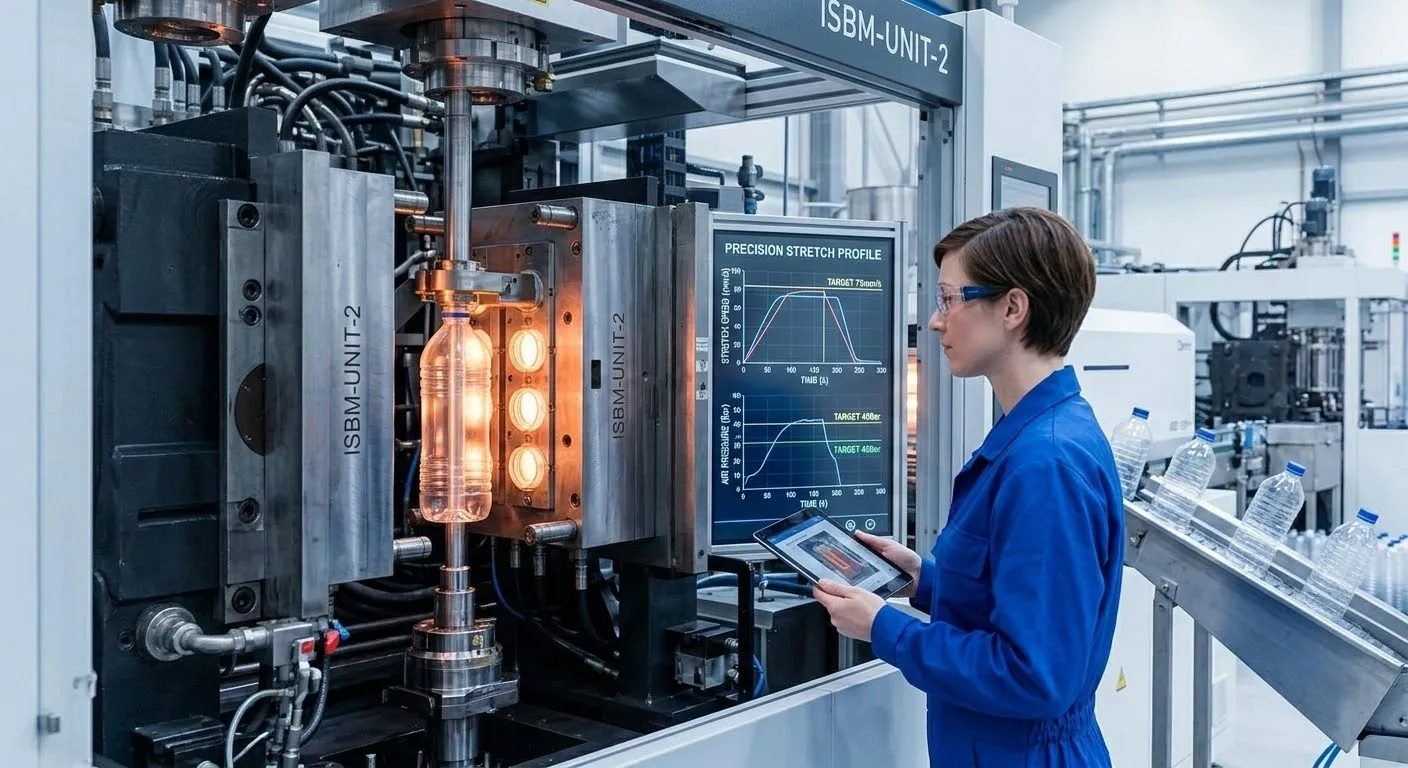
UV absorbers are organic molecules that are compounded into the PET resin at low concentrations, typically 0.1 to 1.0 percent by weight. These molecules are specifically designed to absorb ultraviolet radiation and dissipate the absorbed energy as harmless heat, preventing the UV photons from reaching the container contents. The most common classes of UV absorbers used in PET packaging are benzotriazoles, benzophenones, and hydroxyphenyl triazines. Benzotriazole-based absorbers are particularly well-suited to PET because they have strong absorption in the UV-A and UV-B spectrum, are thermally stable at PET processing temperatures, and have minimal impact on the visible color of the container when used at the correct concentration. The absorber molecules are dispersed throughout the entire thickness of the container wall. As UV light passes through the wall, the absorber molecules progressively capture the UV photons. The effectiveness of the protection is governed by the Beer-Lambert law, meaning the fraction of UV light transmitted decreases exponentially with the concentration of the absorber and the thickness of the wall. A preform with a uniformly distributed UV absorber will produce a container with a uniform UV-blocking capability. The UV absorber must be thermally stable at PET processing temperatures, typically up to 290 degrees Celsius, without decomposing or volatilizing. It must also be resistant to migration, meaning it must not leach out of the container wall into the product over time. The absorber should be selected to have minimal impact on the inherent IV of the PET and should not catalyze degradation during processing. On the EP-HGY150-V4-EV, the precise temperature control and minimized residence time of the servo-driven injection system help preserve the functionality of the UV absorber additive.
Processing Considerations and Performance Quantification
Processing PET with UV absorber additives requires several considerations. The absorber must be uniformly dispersed in the resin. This is typically achieved by using a masterbatch, a concentrated pellet of UV absorber in a PET carrier, which is let down into the virgin PET at the machine hopper using a gravimetric or volumetric feeder. The let-down ratio must be accurately controlled to achieve the target absorber concentration in the preform. Inconsistent feeding will produce preforms with variable UV protection. The absorber can slightly affect the rheology of the PET melt, and the injection parameters may need slight adjustment. The presence of the absorber can also affect the color of the preform and the container. At low concentrations, the container appears clear with a very slight blue or yellow tint, which is generally acceptable. At higher concentrations, the tint becomes more pronounced, which may be undesirable for water-clear applications. The UV-blocking performance is quantified using a UV-Vis spectrophotometer. A section of the container wall is placed in the instrument, and the transmission of light across the UV and visible spectrum is measured. The key metric is the percentage transmission at specific wavelengths, typically 350 nanometers for UV-A and 310 nanometers for UV-B. A container with effective UV protection will have a transmission of less than 10 percent at 350 nm, and often less than 1 percent at 310 nm, while maintaining high transmission in the visible spectrum above 400 nm to preserve optical clarity. The EP-BPET-125V4 provides the consistent processing conditions necessary to achieve uniform UV absorber distribution across all cavities.
Multilayer Structures and Surface Coatings for Enhanced UV Protection
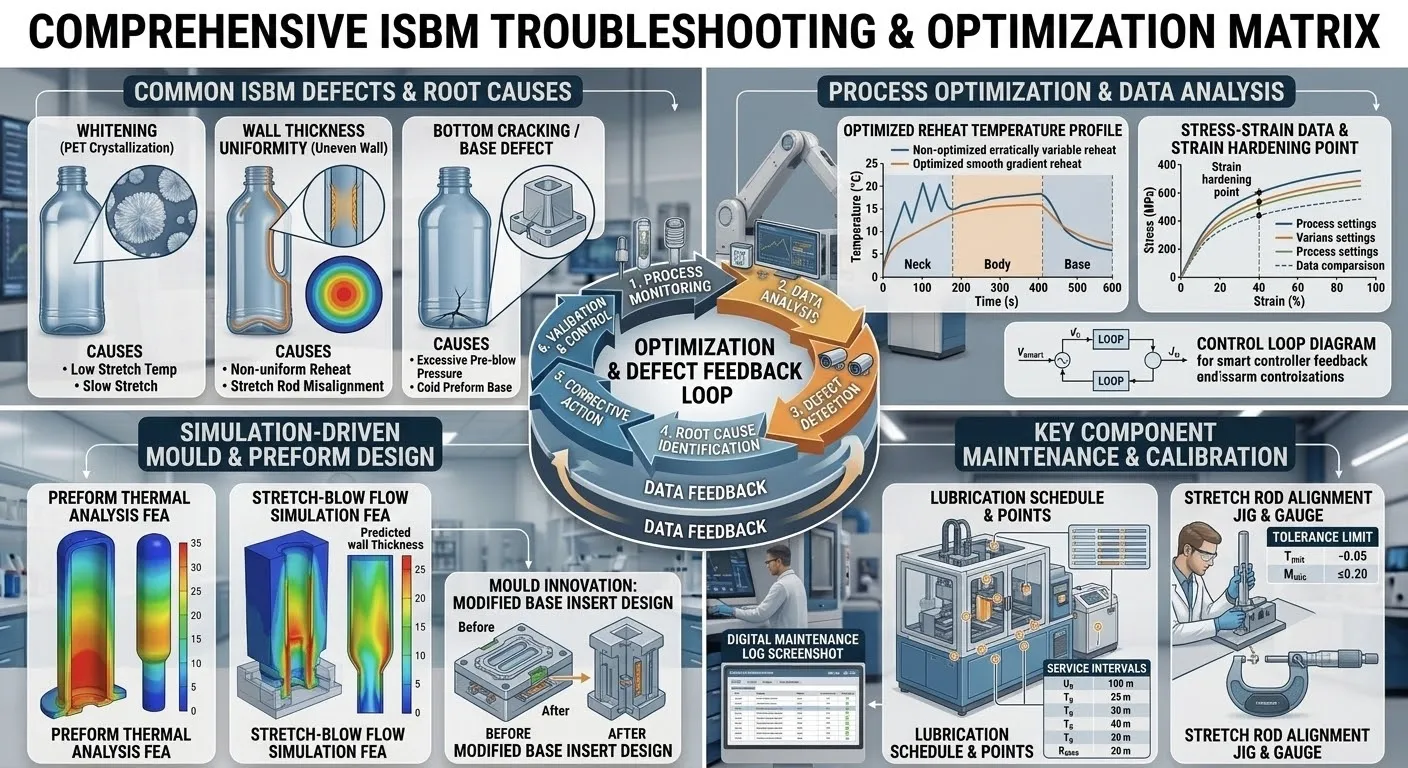
For applications requiring the highest levels of UV protection, or where the use of additives throughout the container wall is undesirable, multilayer structures and surface coatings offer advanced solutions.
🔬Co-Injected UV-Blocking Core Layers for Maximum Protection
A multilayer preform with a dedicated UV-blocking layer can achieve superior protection compared to a monolayer with dispersed additives. In this approach, a three-layer preform is produced by co-injection. The core layer is composed of PET containing a high concentration of UV absorber or, alternatively, a inherently UV-opaque material such as a carbon-black-filled polymer for completely opaque containers. The inner and outer layers are standard clear PET. This structure concentrates the UV-blocking functionality in a thin core layer, where it is most effective, while the inner and outer PET layers provide the structural strength, surface finish, and food-contact compliance. The UV-blocking layer can be loaded with a much higher concentration of absorber than would be possible in a monolayer, because the absorber is isolated from the product and from the consumer. This enables near-complete blocking of UV radiation. The multilayer process requires a co-injection system with separate extruders for the skin PET and the core layer material, along with a specialized nozzle that forms the layered structure within the preform mold. The layer thicknesses must be precisely controlled to ensure that the core layer is continuous and correctly positioned. The EP-HGY650-V4 with its large injection capacity and multi-zone temperature control is well-suited to this demanding application. The use of a UV-blocking core layer also provides the option of combining UV protection with other functional layers, such as an oxygen barrier layer or a post-consumer recycled PET layer, in a single preform structure. This multi-functional approach maximizes the value added by the multilayer process.
✨UV-Blocking Surface Coatings and Inherently Resistant Polymers
Surface coatings provide an alternative route to UV protection that does not require any modification to the preform molding process. After the container is stretch blow molded, a UV-blocking coating is applied to the exterior surface. This coating can be a UV-cured lacquer containing UV absorbers, or it can be a thin inorganic coating deposited by plasma-enhanced chemical vapor deposition or by physical vapor deposition. These coatings can be formulated to be completely transparent in the visible spectrum while providing strong UV absorption. The advantage of the coating approach is that it can be applied to containers produced on any ISBM machine without the need for co-injection equipment or additive handling systems. The disadvantage is the additional coating process step and its associated capital and operating cost. The coating must also be durable and resistant to scratching and abrasion during filling, distribution, and consumer handling. Certain base polymers offer inherent UV resistance without the need for additives. Polyethylene naphthalate, a polyester similar to PET but with a naphthalene ring structure, has a significantly higher intrinsic UV absorption than PET. Containers produced from PEN or from PET/PEN blends provide enhanced UV protection compared to standard PET. However, PEN is more expensive than PET and has a higher melting point, requiring higher processing temperatures. The EP-HGYS280-V6 with its extended thermal conditioning capability is well-suited to processing these higher-temperature polymers. The choice between additive, multilayer, coating, and inherent polymer approaches depends on the specific UV protection requirements, the production volume, the available equipment, and the target container cost.
Application-Specific UV Protection Strategies and Validation Testing
Different product categories have distinct UV protection requirements, and a robust validation testing program is essential to ensure that the chosen UV protection strategy meets the shelf-life targets.
Dairy, Beverage, and Pharmaceutical UV Protection Requirements
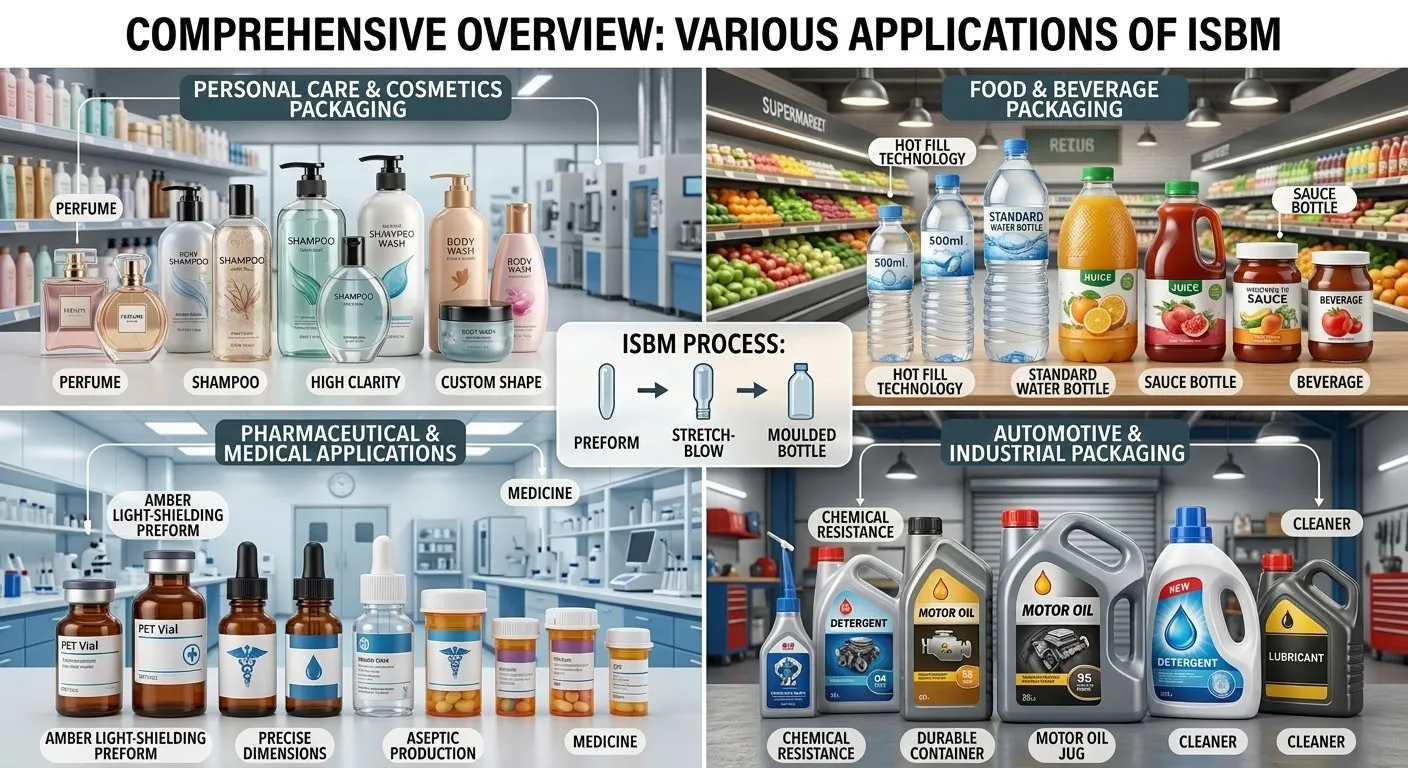
Dairy products, particularly milk, are exceptionally sensitive to UV light. The amino acid riboflavin in milk absorbs UV light and initiates a photo-oxidation reaction that produces a characteristic “light-struck” flavor and destroys vitamins A and D. Opaque or highly UV-blocking containers are essential for milk packaging. For this application, a multilayer structure with a carbon-black-filled core layer provides complete light blockage, or a high concentration of UV absorber combined with a white pigment provides effective protection while maintaining an attractive white container appearance. Vitamin-enhanced waters and sports drinks require protection of the added vitamins from UV degradation. A monolayer PET container with a UV absorber concentration that achieves greater than 90 percent blockage at 350 nm is typically sufficient for these applications. Pharmaceuticals, including liquid formulations and nutritional supplements, have stringent UV protection requirements that are specified in regulatory pharmacopoeias. The container must be demonstrated to protect the active ingredient from photodegradation over the labeled shelf life under standardized light exposure conditions. For these applications, the UV protection strategy must be validated through accelerated and real-time stability testing, with the active ingredient concentration measured at defined time points. The EP-HGY200-V4 provides the process stability and cleanliness required for pharmaceutical container production.
Accelerated Light Exposure Testing and Shelf-Life Validation
The effectiveness of UV protection in an ISBM container is validated through a combination of instrumental measurements and product-specific shelf-life testing. The UV-Vis transmission spectrum of the container wall is measured to quantify the percentage of UV light blocked at each wavelength. This provides a rapid, instrumental assessment of the container’s UV barrier. However, the ultimate validation is the performance of the container in protecting the specific product. Accelerated light exposure testing is conducted using xenon arc or fluorescent UV lamps that simulate the UV component of natural sunlight or retail lighting. The product is filled into the container, sealed, and exposed to the light source under controlled temperature and humidity conditions. At defined time points, samples are withdrawn and analyzed for the key quality attributes: vitamin concentration, color, flavor profile, and active ingredient potency. The results are compared to a control sample stored in the dark. The shelf life under the test conditions is extrapolated to the expected shelf life under real-world distribution and retail conditions. For regulatory submissions, particularly for pharmaceutical products, the testing must follow the protocols specified in the relevant pharmacopoeia, such as the ICH Q1B guideline for photostability testing. The combination of robust UV protection technology, achieved through any of the methods described, and rigorous validation testing ensures that the ISBM container will provide the required product protection throughout its intended shelf life. The Moldes personalizados de injeção e sopro em uma única etapa from Ever-Power can be designed to produce preforms with the precise wall thickness and layer structure that deliver the specified UV protection performance.
EP-HGY250-V4 e o compacto EP-BPET-70V4 provide the process stability and precision necessary for consistent UV absorber distribution or multilayer layer uniformity. The integration of these machines with Ever-Power’s Moldes personalizados de injeção e sopro em uma única etapa ensures a complete, optimized manufacturing solution for UV-protective ISBM containers.
Deliver Proven UV Protection Through Engineered ISBM Container Design
UV resistance in ISBM packaging is achieved through a sophisticated toolkit of technologies: UV absorber additives dispersed in monolayer PET, co-injected multilayer structures with concentrated UV-blocking core layers, post-mold surface coatings, and inherently UV-resistant polymers. Each technology offers a distinct balance of protection level, cost, aesthetic impact, and processing complexity. The selection and implementation of the optimal UV protection strategy, supported by rigorous instrumental and product-specific validation testing, enables ISBM containers to protect the most light-sensitive beverages, pharmaceuticals, and personal care products from photodegradation, extending shelf life and ensuring product quality. At Ever-Power, our advanced machinery platforms and integrated mold engineering, including the EP-HGY150-V4 e Moldes personalizados de injeção e sopro em uma única etapa, provide the precision, control, and flexibility to implement any of these UV protection technologies at commercial production volumes.