प्रेशर वेसल इंजीनियरिंग और आईएसबीएम प्रदर्शन
अन्य ब्लो मोल्डिंग प्रक्रियाओं की तुलना में उच्च दबाव वाले कार्बोनेटेड पेय पदार्थों के कंटेनरों के लिए आईएसबीएम बेहतर क्यों है?
कार्बोनेटेड पेय पदार्थों की पैकेजिंग की अनूठी आवश्यकताएँ
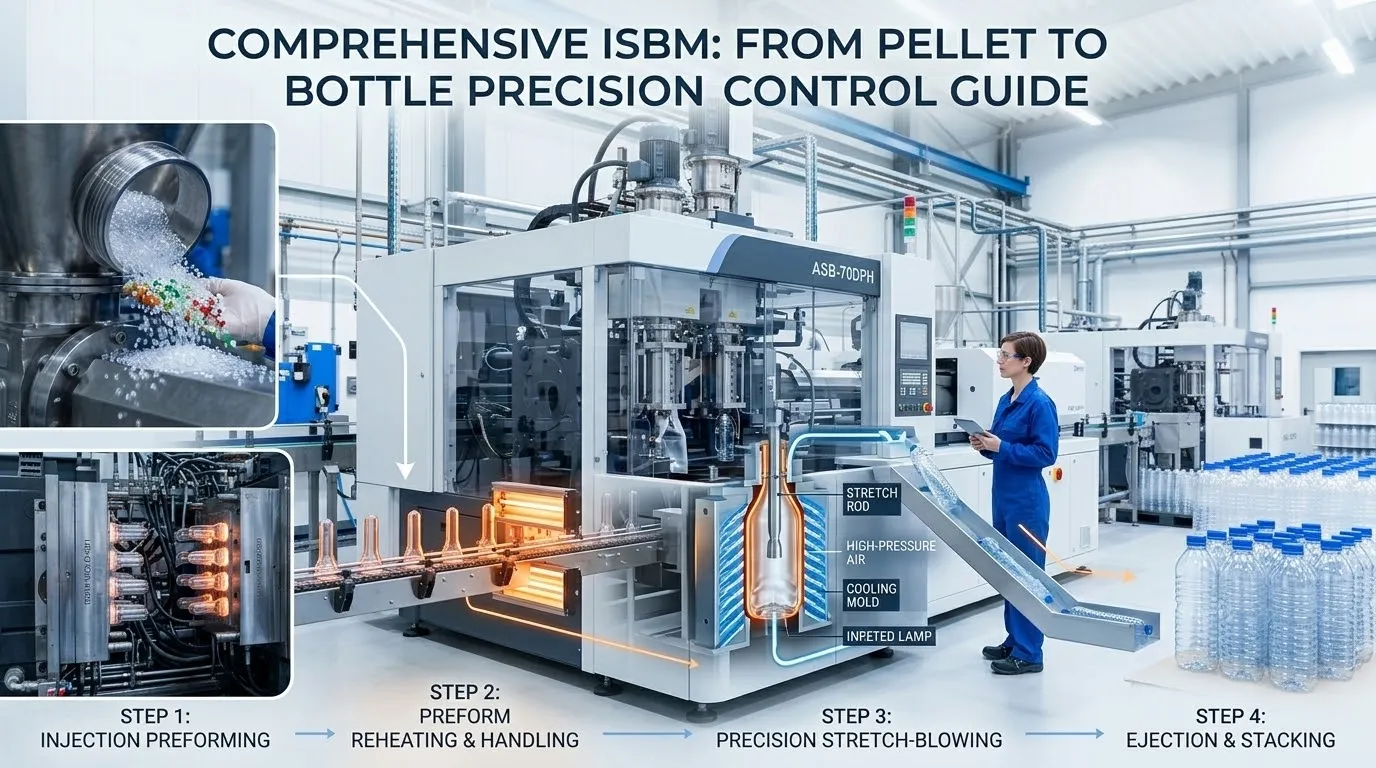
कार्बोनेटेड शीतल पेय का कंटेनर महज एक बोतल नहीं है। यह एक दबाव पात्र है। जैसे ही पीईटी बोतल को कार्बोनेटेड पेय से भरकर सील किया जाता है, उसमें घुली हुई कार्बन डाइऑक्साइड बाहर निकलने लगती है, जिससे एक संतुलित आंतरिक दबाव बनता है जो कार्बोनेशन के स्तर और भंडारण तापमान के आधार पर 30 से 100 psi से अधिक तक हो सकता है। यह आंतरिक दबाव कंटेनर की दीवार के प्रत्येक वर्ग मिलीमीटर पर निरंतर, बहु-अक्षीय तनाव डालता है। कंटेनर को फटने से बचाना होता है। इसे क्रीप का भी प्रतिरोध करना होता है, जो धीमी, स्थायी वृद्धि है जिसके कारण बोतल अपनी शेल्फ लाइफ के दौरान फूलकर विकृत हो सकती है। इसे एक प्रभावी गैस अवरोधक प्रदान करके कार्बोनेशन को बनाए रखना होता है, जो CO2 को बाहर निकलने से और ऑक्सीजन को अंदर आने से रोकता है। इसे उच्च गति वाली फिलिंग लाइनों की यांत्रिक कठोरता को सहन करना होता है, जिसमें कैपिंग के दौरान लगने वाले शीर्ष-भार और परिवहन के दौरान लगने वाले प्रभाव बल शामिल हैं। और यह सब करते हुए इसे बाजार की मांग के अनुसार उत्कृष्ट ऑप्टिकल स्पष्टता और हल्के वजन को बनाए रखना होता है। कोई अन्य ब्लो मोल्डिंग प्रक्रिया इंजेक्शन स्ट्रेच ब्लो मोल्डिंग की तरह प्रदर्शन गुणों का यह संयोजन प्रभावी ढंग से प्रदान नहीं कर सकती। पर कभी-पावरविश्व स्तर पर मान्यता प्राप्त ब्राज़ीलियाई आईएसबीएम निर्माता होने के नाते, हमारे मशीन प्लेटफॉर्म विशेष रूप से ऐसे कंटेनर बनाने के लिए डिज़ाइन किए गए हैं जो कार्बोनेटेड पेय पदार्थों की इन कठिन आवश्यकताओं को पूरा करते हैं और उनसे भी बेहतर प्रदर्शन करते हैं।
कार्बोनेटेड पेय पदार्थों के कंटेनरों के लिए आईएसबीएम की श्रेष्ठता उस मूलभूत आणविक संरचना में निहित है जो यह प्रक्रिया पॉलीमर को प्रदान करती है। आईएसबीएम विशिष्ट रूप से द्विअक्षीय अभिविन्यास नामक स्थिति उत्पन्न करता है, जहाँ पॉलीमर श्रृंखलाएँ अक्षीय और घेरा दोनों दिशाओं में खिंची और संरेखित होती हैं। यह संरेखण तनाव-प्रेरित क्रिस्टलीकरण को प्रेरित करता है, जिससे एक कसकर पैक किया हुआ, अत्यधिक व्यवस्थित आणविक जाली बनता है जो एक साथ मजबूत, कठोर और एक प्रभावी गैस अवरोधक होता है। एक्सट्रूज़न ब्लो मोल्डिंग इस स्तर का द्विअक्षीय अभिविन्यास प्राप्त नहीं कर सकता क्योंकि पैरिसन को पिघली हुई अवस्था से फुलाया जाता है, बिना उस यांत्रिक अक्षीय खिंचाव के जो आईएसबीएम स्ट्रेच रॉड प्रदान करता है। दो-चरणीय रीहीट-ब्लो प्रक्रिया भी द्विअक्षीय अभिविन्यास प्राप्त करती है, लेकिन यह कम एकसमान तापीय इतिहास के साथ ऐसा करती है जिससे कंटेनर में उच्च अवशिष्ट तनाव और रेंगने और पर्यावरणीय तनाव दरार के प्रति अधिक संवेदनशीलता रह जाती है। यह व्यापक इंजीनियरिंग विश्लेषण उन विशिष्ट आणविक, यांत्रिक और अवरोधक गुणों के लाभों का विश्लेषण करेगा जो आईएसबीएम को कार्बोनेटेड पेय पदार्थों के कंटेनरों के लिए निश्चित प्रक्रिया बनाते हैं, जिसमें उन्नत एवर-पावर प्लेटफॉर्म जैसे कि का संदर्भ दिया गया है। EP-HGY150-V4 4-स्टेशन मशीन और उच्च उत्पादन EP-HGY250-V4-B डबल-रो 4-स्टेशन मशीन.
ब्रांड मालिकों, फिलिंग लाइन ऑपरेटरों और पैकेजिंग इंजीनियरों के लिए, यह समझना आवश्यक है कि कार्बोनेटेड पेय पदार्थों के कंटेनरों के लिए आईएसबीएम ही एकमात्र व्यवहार्य विकल्प क्यों है। यह जानकारी उपकरण खरीद, गुणवत्ता विनिर्देशों और प्रदर्शन अपेक्षाओं को निर्धारित करने में महत्वपूर्ण भूमिका निभाती है। यह मार्गदर्शिका इंजीनियरिंग संबंधी गहन विवरण के साथ यह समझ प्रदान करती है।
शक्ति की आणविक संरचना: द्विअक्षीय अभिविन्यास और तनाव-प्रेरित क्रिस्टलीकरण
कार्बोनेटेड पेय पदार्थों के कंटेनरों के लिए आईएसबीएम के श्रेष्ठ होने का मूल कारण इसकी एक ऐसी आणविक संरचना बनाने की क्षमता में निहित है जो बहु-अक्षीय तनाव के प्रति अद्वितीय रूप से प्रतिरोधी है।
द्विअक्षीय अभिविन्यास किस प्रकार दबाव-प्रतिरोधी नेटवर्क का निर्माण करता है?
आईएसबीएम कंटेनर में, पॉलीमर श्रृंखलाएं अनियमित रूप से कुंडलित नहीं होती हैं, जैसा कि एक असंबद्ध, अनाकार पॉलीमर में होता है। इन्हें स्ट्रेच रॉड द्वारा यांत्रिक रूप से संरेखित किया जाता है, जो प्रीफॉर्म को अक्षीय रूप से बढ़ाता है, और ब्लो एयर द्वारा, जो इसे रेडियल रूप से फैलाता है। यह दोहरी अक्षीय खिंचाव कसकर संरेखित, समानांतर पॉलीमर श्रृंखलाओं का एक द्वि-आयामी नेटवर्क बनाता है। जब कंटेनर पर आंतरिक दबाव लगाया जाता है, तो तनाव इन संरेखित श्रृंखलाओं की रीढ़ की हड्डी के साथ सहसंयोजक बंधों द्वारा वहन किया जाता है, न कि अपेक्षाकृत कमजोर वैन डेर वाल्स बलों द्वारा जो असंबद्ध श्रृंखलाओं को एक साथ बांधे रखते हैं। इसका परिणाम अक्षीय और घेरा दोनों दिशाओं में तन्यता शक्ति में नाटकीय वृद्धि है। एक द्विअक्षीय रूप से उन्मुख पीईटी कंटेनर घेरा तनाव का सामना कर सकता है जो समान दीवार की मोटाई वाले एक असंबद्ध कंटेनर को फाड़ देगा। यही कारण है कि एक्सट्रूज़न ब्लो मोल्डेड कंटेनर, जो अक्षीय खिंचाव के बिना पिघले हुए पैरिसन से फुलाए जाते हैं, कार्बोनेटेड पेय पदार्थों की पैकेजिंग के लिए आवश्यक शक्ति-से-भार अनुपात प्राप्त नहीं कर सकते हैं। एक्सट्रूज़न ब्लो मोल्डिंग में पैरिसन को केवल रेडियल रूप से फुलाया जाता है, जिससे केवल घेरे की दिशा में एक अक्षीय अभिविन्यास बनता है, जबकि अक्षीय दिशा में लगभग कोई अभिविन्यास नहीं होता। परिणामस्वरूप, कंटेनर अक्षीय दिशा में कमजोर होता है और निरंतर दबाव में रेंगने और खिंचाव के प्रति संवेदनशील होता है। आईएसबीएम प्रक्रिया, स्ट्रेच रॉड के माध्यम से यांत्रिक रूप से अक्षीय अभिविन्यास को लागू करके, एक संतुलित, द्विअक्षीय शक्ति उत्पन्न करती है जो दबाव पात्र के प्रदर्शन के लिए आवश्यक है। इस प्रकार की मशीनें... ईपी-एचजीवाई150-वी4-ईवी इनकी सर्वो-चालित स्ट्रेच रॉड अक्षीय खिंचाव अनुपात पर सटीक नियंत्रण प्रदान करती हैं, जिससे कंटेनर की विशिष्ट दबाव आवश्यकताओं के लिए अभिविन्यास को अनुकूलित किया जा सकता है।
तनाव-प्रेरित क्रिस्टलीकरण एक अवरोधक और शक्ति वर्धक के रूप में
आईएसबीएम प्रक्रिया में जब पॉलिमर श्रृंखलाओं को खींचा और संरेखित किया जाता है, तो उनमें एक चरण परिवर्तन होता है जिसे तनाव-प्रेरित क्रिस्टलीकरण कहा जाता है। संरेखित श्रृंखलाएं स्वतः ही सघन रूप से पैक की गई, नैनोस्केल क्रिस्टलीय परतों में व्यवस्थित हो जाती हैं। ये क्रिस्टलीय परतें कार्बोनेटेड पेय पदार्थों के कंटेनरों के लिए कई महत्वपूर्ण कार्य करती हैं। सबसे पहले, ये भौतिक क्रॉसलिंक के रूप में कार्य करती हैं, संरेखित श्रृंखलाओं को आपस में बांधती हैं और सामग्री के रेंगने के प्रतिरोध को नाटकीय रूप से बढ़ाती हैं। निरंतर आंतरिक दबाव के तहत, एक असंरेखित अनाकार कंटेनर धीरे-धीरे विकृत हो जाएगा क्योंकि पॉलिमर श्रृंखलाएं एक दूसरे के ऊपर से खिसकती हैं। द्विअक्षीय रूप से उन्मुख आईएसबीएम कंटेनर में क्रिस्टलीय नेटवर्क संरचना को स्थिर रखता है, जिससे यह रेंगना रुक जाता है। दूसरे, क्रिस्टलीय क्षेत्र गैस अणुओं के लिए अभेद्य होते हैं। कार्बन डाइऑक्साइड अणु और ऑक्सीजन अणु सघन, व्यवस्थित क्रिस्टलीय जाली से विसरित नहीं हो सकते। वे केवल क्रिस्टलीय परतों के बीच अनाकार क्षेत्रों से ही पारगम्य हो सकते हैं। इसलिए, तनाव-प्रेरित क्रिस्टलों की उपस्थिति कंटेनर की दीवार की गैस पारगम्यता को काफी कम कर देती है, जिससे कार्बोनेशन प्रतिधारण में सुधार होता है और शेल्फ लाइफ बढ़ जाती है। गैस अवरोध में यह वृद्धि खिंचाव प्रक्रिया का प्रत्यक्ष परिणाम है और एक्सट्रूज़न ब्लो मोल्डेड कंटेनरों में अनुपस्थित है, जिनमें इस स्तर की क्रिस्टलीयता नहीं होती है। उच्चतम कार्बोनेशन स्तरों के लिए, प्रीफॉर्म डिज़ाइन और खिंचाव पैरामीटर मशीनों पर जैसे कि ईपी-एचजीवाई200-वी4 कंटेनर की दीवार में तनाव-प्रेरित क्रिस्टलीकरण की मात्रा को अधिकतम करने के लिए इसे अनुकूलित किया जा सकता है।
प्रत्यक्ष तुलना: दबाव वाले पात्रों के लिए आईएसबीएम बनाम एक्सट्रूज़न ब्लो मोल्डिंग
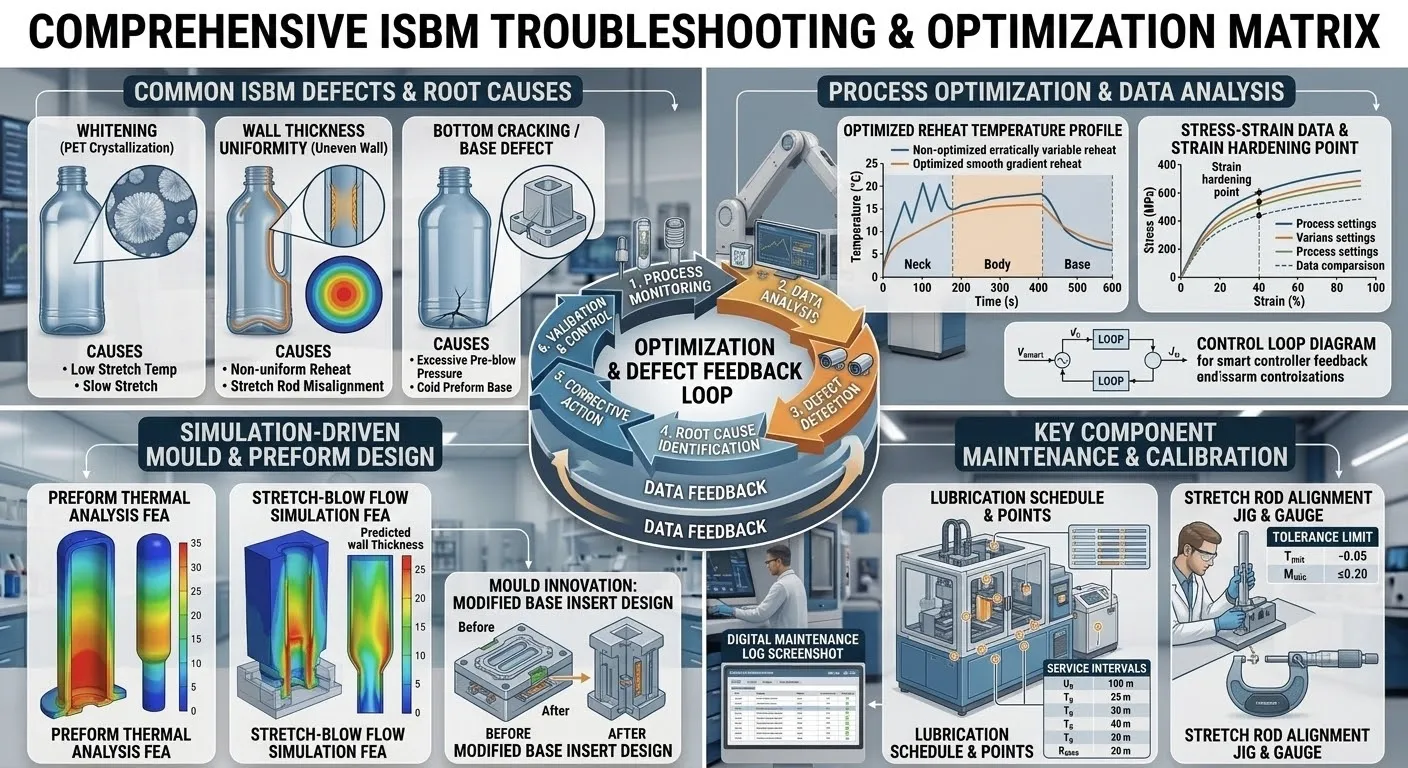
कार्बोनेटेड पेय पदार्थों के कंटेनरों की विशिष्ट प्रदर्शन आवश्यकताओं के आधार पर मूल्यांकन करने पर आईएसबीएम और एक्सट्रूज़न ब्लो मोल्डिंग के बीच मूलभूत अंतर स्पष्ट रूप से सामने आ जाते हैं।
🔄एक्सट्रूज़न ब्लो मोल्डिंग में अभिविन्यास की कमी और इसके परिणाम
एक्सट्रूज़न ब्लो मोल्डिंग में पिघली हुई ट्यूब (पैरीसन) को बाहर निकाला जाता है और फिर उसे मोल्ड कैविटी के विरुद्ध फुलाया जाता है, जिससे कंटेनर बनते हैं। फुलाते समय पैरीसन पूरी तरह से पिघली हुई और असंरेखित अवस्था में होती है। फुलाने से कुछ रेडियल खिंचाव तो होता है, लेकिन अक्षीय खिंचाव की कोई प्रक्रिया नहीं होती। परिणामस्वरूप बने कंटेनर में पॉलीमर श्रृंखलाएं मुख्य रूप से केवल घेरे की दिशा में ही उन्मुख होती हैं, और यह अभिविन्यास भी सीमित होता है क्योंकि सामग्री गर्म होती है और फुलाने के दौरान श्रृंखलाएं शिथिल हो सकती हैं। यह एकअक्षीय, सीमित अभिविन्यास द्विअक्षीय अभिविन्यास की तुलना में केवल कुछ अंश ही मजबूती प्रदान करता है। कार्बोनेटेड पेय के निरंतर आंतरिक दबाव के तहत, एक्सट्रूज़न ब्लो मोल्डिंग द्वारा निर्मित कंटेनर अक्षीय रूप से रेंगता है, और समय के साथ लंबा होता जाता है क्योंकि अक्षीय दिशा में असंरेखित श्रृंखलाएं तनाव के कारण खिसकती हैं। कंटेनर का फटने का दबाव भी काफी कम होता है। इसी कारण, एक्सट्रूज़न ब्लो मोल्डिंग व्यावसायिक रूप से दूध, जूस और घरेलू रसायनों जैसे गैर-कार्बोनेटेड उत्पादों तक ही सीमित है, या फिर बहुत छोटे, मोटी दीवारों वाले कार्बोनेटेड पेय पदार्थों के लिए ही, जहाँ ज्यामिति सामग्री की कमजोरी की भरपाई करती है। एक्सट्रूज़न ब्लो मोल्डिंग से मानक 500 मिलीलीटर या 2 लीटर सीएसडी बोतल के लिए आवश्यक शक्ति-से-भार अनुपात वाला कंटेनर बनाना संभव नहीं है। इसके विपरीत, आईएसबीएम प्रक्रिया से ऐसा कंटेनर बनता है जिसमें सामग्री का प्रत्येक ग्राम सही दिशा में होता है और संरचना की दबाव सहन करने की क्षमता में योगदान देता है।
🎯दीवार की मोटाई में एकरूपता और तनाव सांद्रता का उन्मूलन
दबाव में कार्बोनेटेड पेय पदार्थ का कंटेनर अपने सबसे कमजोर बिंदु पर टूट जाएगा। कोई भी पतला धब्बा तनाव का केंद्र बन जाता है जिससे विस्फोट हो सकता है। एक्सट्रूज़न ब्लो मोल्डिंग की तुलना में, ISBM दीवार की मोटाई के वितरण पर कहीं बेहतर नियंत्रण प्रदान करता है। एक्सट्रूज़न ब्लो मोल्डिंग में, पैरिसन की दीवार की मोटाई को एक्सट्रूज़न के दौरान डाई गैप को समायोजित करके नियंत्रित किया जाता है, इस प्रक्रिया को पैरिसन प्रोग्रामिंग के नाम से जाना जाता है। हालांकि इससे कुछ क्षेत्रों को मोटा करने की क्षमता मिलती है, लेकिन ISBM में प्राप्त होने वाली सटीकता की तुलना में यह नियंत्रण अपेक्षाकृत कम सटीक होता है। पैरिसन अपने वजन के कारण झुक भी जाता है, जिससे कंटेनर के ऊपरी हिस्से की ओर स्वाभाविक रूप से पतलापन आ जाता है। इसके विपरीत, ISBM की शुरुआत इंजेक्शन-मोल्डेड प्रीफॉर्म से होती है जिसकी दीवार की मोटाई का प्रोफाइल मोल्ड में सटीक रूप से मशीन किया जाता है। प्रीफॉर्म के अक्षीय मोटाई प्रोफाइल को इस तरह से इंजीनियर किया जा सकता है कि अंतिम कंटेनर में जहां सामग्री की आवश्यकता हो, वहां वह ठीक उसी स्थान पर पहुंचे, जिसकी सहनशीलता माइक्रोन में मापी जाती है। फिर स्ट्रेच रॉड और ब्लो एयर इस सामग्री को प्रोग्राम करने योग्य सटीकता के साथ वितरित करते हैं। परिणामस्वरूप, एक ऐसा कंटेनर प्राप्त होता है जिसकी दीवार की मोटाई अत्यधिक एकसमान होती है और उसमें कोई भी स्वाभाविक पतला धब्बा नहीं होता जो दबाव प्रतिरोध को प्रभावित करे। जटिल सीएसडी कंटेनर आकृतियों के लिए, जिनमें घुमावदार ग्रिप क्षेत्र और पैर वाले आधार शामिल हैं, उन्नत कंडीशनिंग क्षमताएं ईपी-एचजीवाईएस280-वी6 ज्यामितीय जटिलता के बावजूद एकसमान दीवार मोटाई वाले कंटेनरों के उत्पादन को सक्षम बनाना।
गैस अवरोधक प्रदर्शन: कार्बोनेशन प्रतिधारण में अभिविन्यास की भूमिका
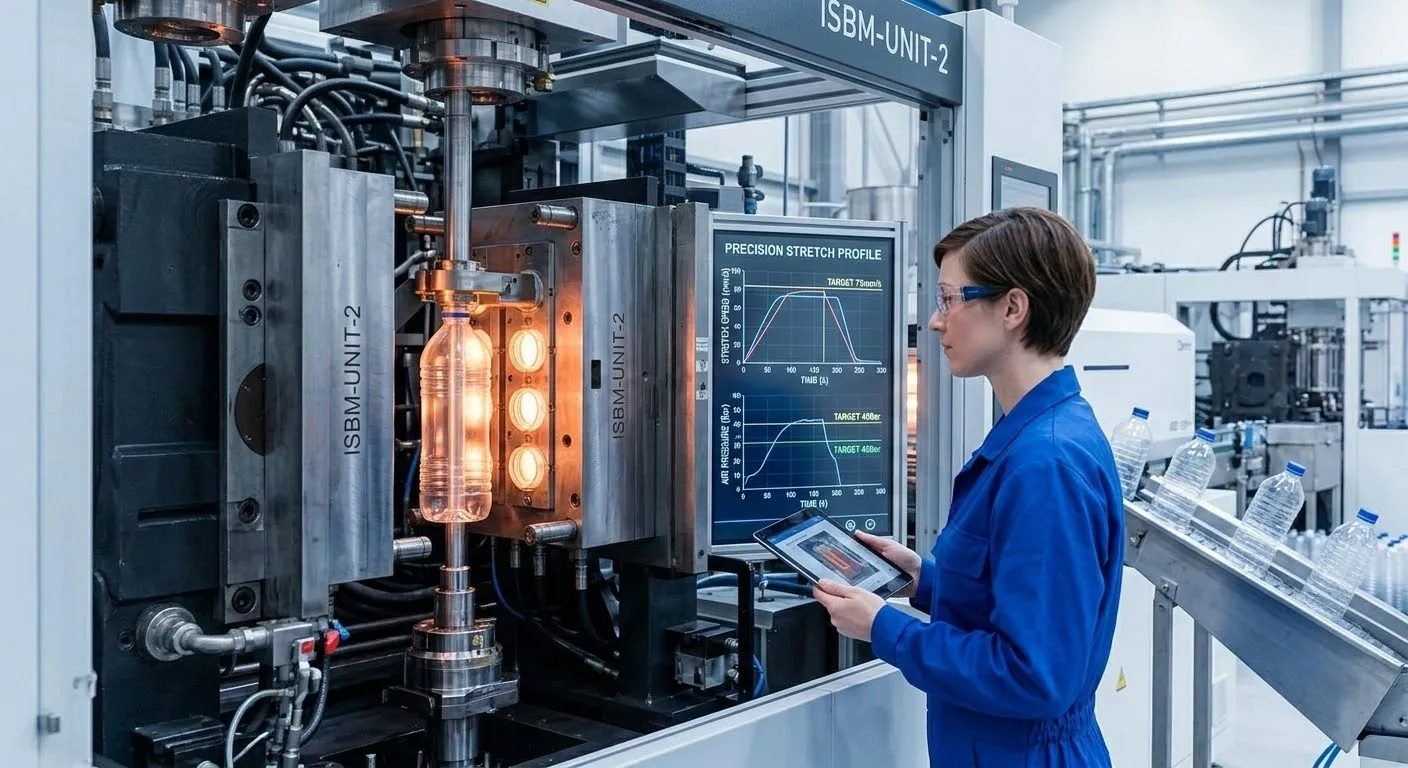
कार्बोनेटेड पेय पदार्थ के कंटेनर को गैस अवरोधक के रूप में कार्य करना चाहिए, जिससे कार्बोनेशन का नुकसान और ऑक्सीजन का प्रवेश रोका जा सके। आईएसबीएम प्रक्रिया अभिविन्यास और क्रिस्टलीकरण की आणविक प्रक्रियाओं के माध्यम से अवरोधक प्रदर्शन को स्वाभाविक रूप से बढ़ाती है।
🛡️अभेद्य क्रिस्टलीय अवरोध प्रभाव
गैस के अणु पॉलिमर श्रृंखलाओं के बीच मौजूद मुक्त आयतन में विसरित होकर पॉलिमर में प्रवेश करते हैं। एक अनाकार, असंगठित पॉलिमर में, यह मुक्त आयतन अपेक्षाकृत बड़ा और आपस में जुड़ा हुआ होता है, जिससे CO2 और O2 जैसे छोटे अणुओं के लिए एक आसान मार्ग उपलब्ध होता है। ISBM प्रक्रिया के द्विअक्षीय खिंचाव से पॉलिमर श्रृंखलाएं संकुचित हो जाती हैं, जिससे मुक्त आयतन कम हो जाता है और गैस के अणुओं को पदार्थ के भीतर अधिक घुमावदार मार्ग का अनुसरण करना पड़ता है। इससे भी महत्वपूर्ण बात यह है कि खिंचाव के दौरान बनने वाले तनाव-प्रेरित क्रिस्टलीय कण प्रभावी रूप से अभेद्य होते हैं। गैस के अणु सघन क्रिस्टलीय जालक में प्रवेश नहीं कर सकते। ये क्रिस्टलीय कण कंटेनर की दीवार में फैले हुए अभेद्य अवरोधों के रूप में कार्य करते हैं, जिससे विसरित होने वाले गैस के अणुओं को उनके चारों ओर एक जटिल मार्ग से गुजरना पड़ता है। इससे कंटेनर की दीवार का प्रभावी विसरण गुणांक काफी कम हो जाता है। परिणामस्वरूप, एक ऐसा कंटेनर बनता है जो समान मोटाई के असंगठित कंटेनर की तुलना में अपने कार्बोनेशन को काफी लंबे समय तक बनाए रखता है। प्रीमियम कार्बोनेटेड पेय पदार्थों के लिए, जहां शेल्फ लाइफ एक प्रतिस्पर्धी अंतर है, ISBM द्वारा प्रदान किया गया अवरोध संवर्धन एक महत्वपूर्ण लाभ है। खिंचाव अनुपात, जो सीधे क्रिस्टलीकरण की डिग्री को नियंत्रित करता है, को मशीनों पर अनुकूलित किया जा सकता है। ईपी-बीपीईटी-125वी4 किसी विशिष्ट कार्बोनेशन स्तर के लिए अवरोधक प्रदर्शन को अधिकतम करने के लिए।
⏱️रेंगने का प्रतिरोध और दीर्घकालिक आयामी स्थिरता
कार्बोनेटेड पेय पदार्थों के कंटेनर को अपनी शेल्फ लाइफ के दौरान अपने आयामों को बनाए रखना चाहिए, जो कई महीनों तक बढ़ सकती है। निरंतर आंतरिक दबाव के तहत, सभी पॉलिमर कुछ हद तक रेंगते हैं, लेकिन द्विअक्षीय अभिविन्यास और क्रिस्टलीयता द्वारा रेंगने की दर में काफी कमी आती है। आईएसबीएम स्ट्रेचिंग के दौरान बनने वाला क्रिस्टलीय नेटवर्क एक भौतिक क्रॉसलिंक के रूप में कार्य करता है, जो रेंगने का कारण बनने वाले चेन स्लिपेज का प्रतिरोध करता है। एक आईएसबीएम कंटेनर अपनी शेल्फ लाइफ के दौरान समान प्रारंभिक आयामों वाले एक्सट्रूज़न ब्लो मोल्डेड कंटेनर की तुलना में काफी कम आयतन विस्तार प्रदर्शित करता है। यह आयामी स्थिरता ब्रांड मालिकों के लिए महत्वपूर्ण है। स्टोर शेल्फ पर स्पष्ट रूप से फूली हुई बोतल खराब गुणवत्ता का संकेत देती है और यदि विस्तारित कंटेनर अब अपनी द्वितीयक पैकेजिंग में फिट नहीं होता है तो फिलिंग लाइन में समस्याएँ पैदा कर सकती है। दो-चरण रीहीट-ब्लो प्रक्रिया भी द्विअक्षीय अभिविन्यास और रेंगने के प्रतिरोध को प्राप्त करती है, लेकिन पुनः गर्म किए गए प्रीफॉर्म के कम एकसमान तापीय इतिहास के परिणामस्वरूप कम अभिविन्यास वाले क्षेत्र बन सकते हैं जो रेंगने के प्रति अधिक संवेदनशील होते हैं। एकल-चरण आईएसबीएम प्रक्रिया, अपने सौम्य, एकसमान तापीय कंडीशनिंग के साथ, अधिक समरूप अभिविन्यास और इसलिए अधिक एकसमान रेंगने के प्रतिरोध वाला कंटेनर बनाती है। उच्च मात्रा में सीएसडी उत्पादन के लिए, दोहरी पंक्ति वाली वास्तुकला ईपी-एचजीवाई250-वी4-बी यह कंपनी लाखों कंटेनरों में लगातार इस गुणवत्ता को बनाए रखती है।
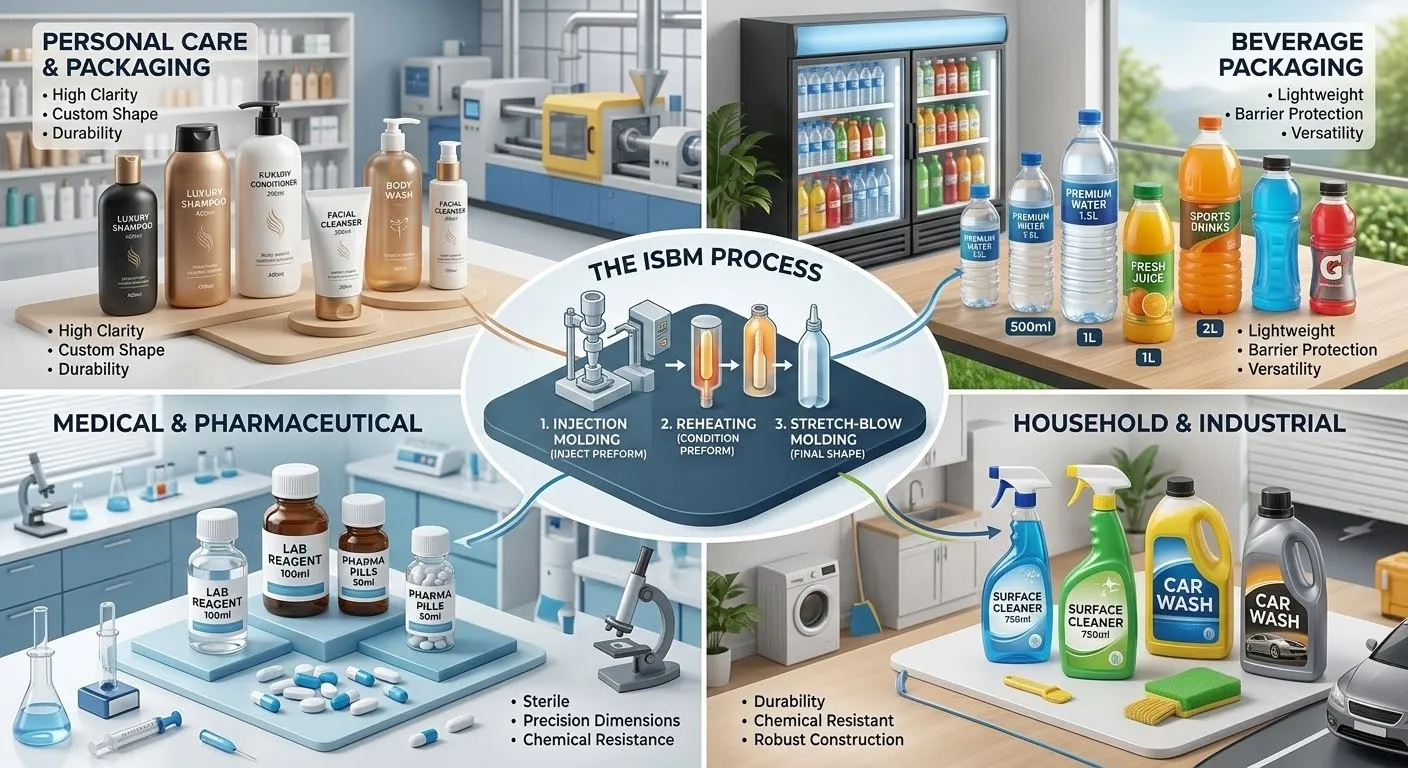
बेस डिज़ाइन, तनाव प्रबंधन और आईएसबीएम में आरपीईटी का लाभ
आईएसबीएम प्रक्रिया परिष्कृत आधार ज्यामितियों को सक्षम बनाती है जो दबाव तनाव को प्रबंधित करती हैं, और आरपीईटी प्रसंस्करण के लिए इसकी अनुकूलता प्रदर्शन का त्याग किए बिना स्थिरता का लाभ प्रदान करती है।
पंखुड़ीनुमा और शैम्पेन बेस निर्माण
कार्बोनेटेड पेय पदार्थों के कंटेनर का निचला भाग सबसे अधिक तनावग्रस्त क्षेत्र होता है। अवतल आधार ज्यामिति पर लगने वाला आंतरिक दबाव केंद्र में और पार्श्व दीवार के संक्रमण बिंदु पर तीव्र तन्यता उत्पन्न करता है। खराब डिज़ाइन वाला आधार बाहर की ओर खिसक सकता है, जिससे एक रॉकर बॉटम बन जाता है जो कंटेनर को अस्थिर कर देता है, या फिर उसमें तनाव के कारण दरारें पड़ सकती हैं और वह पूरी तरह से टूट सकता है। आईएसबीएम प्रक्रिया जटिल पंखुड़ीनुमा आधार या शैंपेन-शैली के पंट आधार को प्रभावी ढंग से बनाने में सक्षम है जो इन तनावों को नियंत्रित करते हैं। गहरे खिंचाव और तीक्ष्ण त्रिज्या वाली ये आधार ज्यामितियाँ केवल तभी बनाई जा सकती हैं जब सामग्री को स्ट्रेच रॉड और ब्लो एयर के सटीक नियंत्रण में मोल्ड में खींचा जाता है। एक्सट्रूज़न ब्लो मोल्डिंग इन ज्यामितियों को आवश्यक परिशुद्धता और सामग्री वितरण के साथ दोहरा नहीं सकती। आईएसबीएम मशीन में स्ट्रेच रॉड, जैसे कि... ईपी-एचजीवाई150-वी4-ईवी यह विधि सामग्री को आधार के केंद्र में स्थिर करती है और फिर उसे साँचे के आधार की विशेषताओं में धकेलती है, जिससे यह सुनिश्चित होता है कि सामग्री प्रत्येक फुट या पुंट आकृति में ठीक से व्यवस्थित और वितरित हो। प्री-ब्लो और फाइनल ब्लो का समय एक सुव्यवस्थित, तनाव-मुक्त आधार प्राप्त करने के लिए महत्वपूर्ण है, और आधुनिक आईएसबीएम मशीनों पर उपलब्ध मिलीसेकंड-स्तर का नियंत्रण इस निर्माण को अनुकूलित करने के लिए आवश्यक सटीकता प्रदान करता है। कस्टम वन-स्टेप इंजेक्शन स्ट्रेच ब्लो मोल्ड्स एवर-पावर के जूते बेस क्षेत्र में सटीक वेंटिंग के साथ इंजीनियर किए गए हैं ताकि प्रत्येक साइकिल पर पैरों का सही आकार सुनिश्चित हो सके।
सतत सीएसडी पैकेजिंग के लिए आरपीईटी प्रसंस्करण
वैश्विक कार्बोनेटेड पेय उद्योग पर अपने कंटेनरों में पोस्ट-कंज्यूमर रीसाइक्ल्ड पीईटी (rPET) को शामिल करने का भारी दबाव है। rPET दबाव वाले बर्तनों के लिए एक चुनौतीपूर्ण प्रक्रिया है क्योंकि इसकी कम आंतरिक चिपचिपाहट और कम पिघलने की क्षमता के कारण दबाव प्रतिरोध के लिए आवश्यक द्विअक्षीय अभिविन्यास प्राप्त करना कठिन हो जाता है। आईएसबीएम प्रक्रिया, विशेष रूप से सर्वो-चालित प्लेटफार्मों पर, वैकल्पिक ब्लो मोल्डिंग प्रक्रियाओं की तुलना में उच्च rPET सामग्री के लिए कहीं अधिक अनुकूल साबित हुई है। सर्वो-चालित इंजेक्शन इकाई वास्तविक समय में चिपचिपाहट में उतार-चढ़ाव की भरपाई करती है, जिससे प्रीफॉर्म की गुणवत्ता में निरंतरता सुनिश्चित होती है। प्रोग्रामेबल स्ट्रेच रॉड गति स्ट्रेचिंग प्रोफाइल को rPET के अधिक भंगुर बढ़ाव व्यवहार के अनुकूल बनाने की अनुमति देती है, जिससे धीमी गति से त्वरण और मंदी होती है जो आवश्यक अभिविन्यास प्राप्त करते हुए भी टूटने से बचाती है। परिणामस्वरूप, आईएसबीएम 50 प्रतिशत, 75 प्रतिशत या 100 प्रतिशत rPET सामग्री वाले कार्बोनेटेड पेय कंटेनर का उत्पादन कर सकता है जो वर्जिन पीईटी कंटेनर के समान दबाव और शेल्फ-लाइफ विनिर्देशों को पूरा करते हैं। यह क्षमता स्थिरता जनादेशों द्वारा तेजी से संचालित बाजार में एक निर्णायक प्रतिस्पर्धी लाभ है। औद्योगिक पैमाने पर ईपी-एचजीवाई650-वी4 यह वैश्विक ब्रांडों की मांग को पूरा करने के लिए आवश्यक मात्रा में rPET CSD कंटेनरों का उत्पादन करने के लिए आवश्यक उत्पादन क्षमता प्रदान करता है।
EP-HGY250-V4 और कॉम्पैक्ट ईपी-बीपीईटी-70वी4 इन्हें इस सटीकता को प्रदान करने के लिए प्रक्रिया नियंत्रण क्षमताओं के साथ इंजीनियर किया गया है, यह सुनिश्चित करते हुए कि उत्पादन के दौरान प्रत्येक कंटेनर सबसे अधिक मांग वाले ब्रांड मालिकों द्वारा आवश्यक दबाव विनिर्देशों से लगातार बेहतर प्रदर्शन करे।
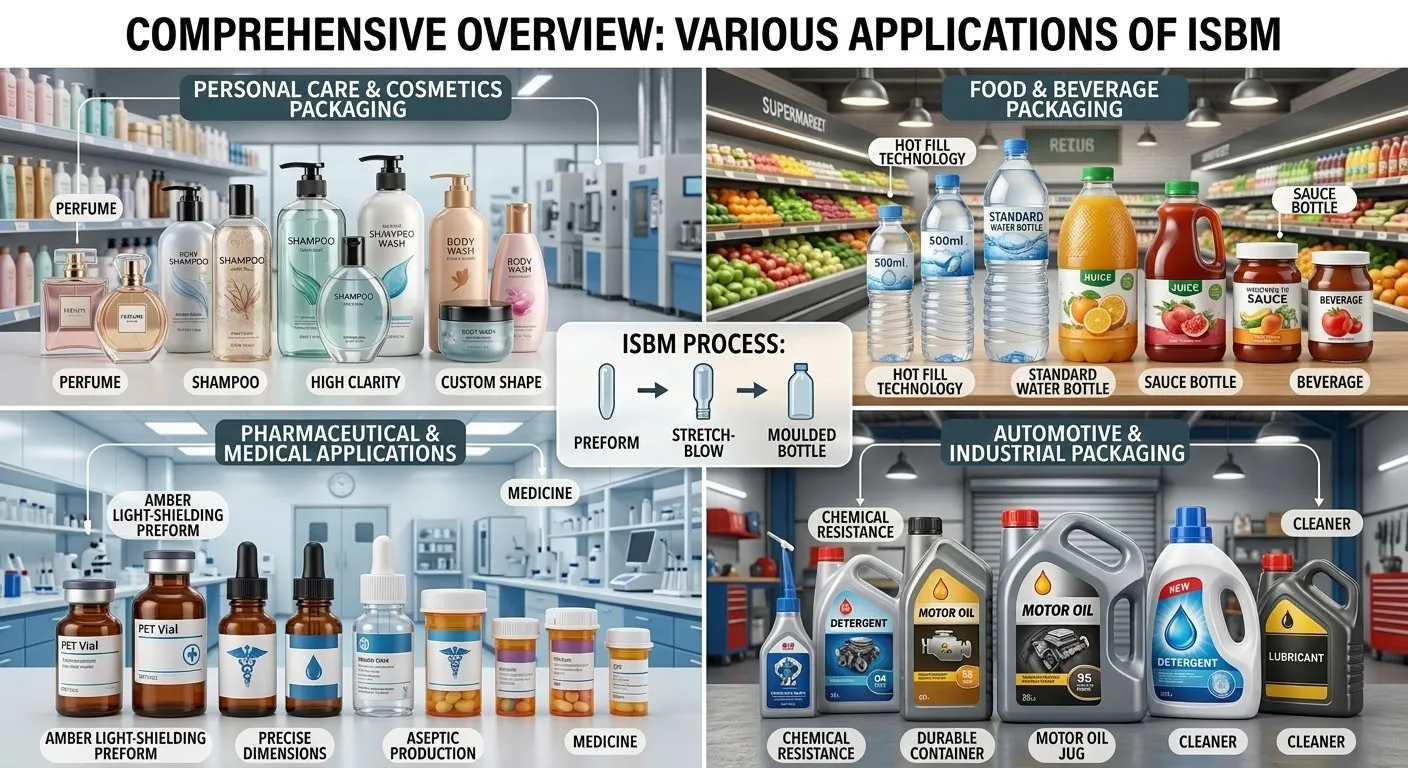
कार्बोनेटेड पेय पदार्थों के कंटेनर के बेहतरीन प्रदर्शन के लिए ISBM चुनें।
उच्च दबाव वाले कार्बोनेटेड पेय पदार्थों के कंटेनरों के लिए आईएसबीएम की श्रेष्ठता कोई राय का विषय नहीं है। यह उस मूलभूत पॉलिमर भौतिकी का प्रत्यक्ष परिणाम है जिसका यह प्रक्रिया उपयोग करती है। द्विअक्षीय अभिविन्यास एक द्वि-आयामी शक्ति नेटवर्क बनाता है। तनाव-प्रेरित क्रिस्टलीकरण रेंगने के प्रतिरोध और गैस अवरोधन को बढ़ाता है। सटीक प्रीफॉर्म डिज़ाइन और स्ट्रेच रॉड नियंत्रण कमजोर बिंदुओं के बिना एक समान दीवार मोटाई सुनिश्चित करते हैं। दबाव तनाव को नियंत्रित करने वाली परिष्कृत आधार ज्यामितियों को दोहराव योग्य सटीकता के साथ बनाया जा सकता है। और यह प्रक्रिया आरपीईटी के अनुकूल है, जिससे दबाव प्रदर्शन का त्याग किए बिना टिकाऊ पैकेजिंग संभव हो पाती है। कोई अन्य ब्लो मोल्डिंग प्रक्रिया, न तो एक्सट्रूज़न ब्लो मोल्डिंग, न ही दो-चरण रीहीट-ब्लो, इन क्षमताओं को समान स्तर पर संयोजित करती है। कभी-पावरहमारे उन्नत आईएसबीएम प्लेटफॉर्म, बहुमुखी प्रतिभा से भरपूर हैं। ईपी-एचजीवाई150-वी4 उच्च उत्पादन के लिए ईपी-एचजीवाई250-वी4-बी और rPET-सक्षम ईपी-एचजीवाई150-वी4-ईवीइन्हें वैश्विक बाजार की मांग के अनुरूप उत्पादन मात्रा और गुणवत्ता मानकों पर कार्बोनेटेड पेय पदार्थों के कंटेनर का सर्वोत्तम प्रदर्शन प्रदान करने के लिए डिज़ाइन किया गया है।