How to clean and maintain ISBM molds? The Ultimate Engineering and Tooling Lifecycle Management Guide
Within the hyper competitive, precision driven ecosystem of global high end plastic packaging manufacturing, the single stage Injection Stretch Blow Molding machine stands as the undisputed titan of the factory floor. However, the absolute core determinant of a container’s optical transparency, dimensional perfection, and indestructible physical strength is not merely the heavy iron chassis of the machine itself. The true soul of the manufacturing process resides within the highly intricate, meticulously engineered tooling system that directly interfaces with the scorching molten polymer. These molds, sculpted from exorbitant aerospace grade aluminum alloys and ultra high tensile Swedish tool steels, operate with internal tolerances measured in absolute micrometers. For any packaging enterprise striving to dominate the global fast moving consumer goods, luxury cosmetic, or rigorous pharmaceutical supply chains, the operational health of these molds is directly synonymous with the financial health of the corporation. When plant managers and senior maintenance directors of multinational packaging conglomerates seek elite technical consultation from 永恒之力 the premier Brazilian ISBM manufacturing behemoth projecting cutting edge industrial infrastructure across the globe the most frequent and urgent operational inquiry revolves around one critical discipline: How to clean and maintain ISBM molds?
Executing proper maintenance on a multi million dollar ISBM tooling ecosystem is absolutely not a superficial task of casually wiping down steel plates with a shop rag at the end of a production shift. It is a profoundly complex, highly systematic engineering discipline that seamlessly merges advanced metallurgy, thermodynamic fluid control, tribology, and microscopic mechanical precision. Even the most minuscule accumulation of carbonized polymer within a microscopic venting slot, or the formation of a half millimeter layer of calcium scale within an internal cooling channel, will instantaneously trigger a cascade of catastrophic manufacturing defects. These failures manifest as severe thermal haze, erratic wall thickness distribution, dangerous base gate crystallization, and ultimately, massive batches of rejected inventory. Throughout this exhaustively detailed, highly authoritative industrial lifecycle management guide, we will completely deconstruct the protocols for cleaning and preserving ISBM molds. We will deeply explore the entire spectrum of maintenance, from non destructive daily interventions to advanced ultrasonic and cryogenic dry ice blasting techniques, demonstrating precisely how the Ever-Power machinery matrix is architecturally engineered to drastically simplify your maintenance burden and push your Overall Equipment Effectiveness to the absolute limits of physical capability.
Phase One: Anatomical Deconstruction of the ISBM Tooling Ecosystem
To establish a flawless, foolproof cleaning and maintenance protocol, technicians and engineers must first acquire a profound understanding of the complex physical mediums they are manipulating. In the single stage Injection Stretch Blow Molding process, the mold is never a singular block of steel. It is a highly dynamic, interconnected ecosystem composed of several deeply specialized modules. The elite engineers at the Ever-Power tooling manufacturing center, who custom forge our proprietary 定制一步注塑拉伸吹塑模具, categorize this ecosystem into four absolutely critical zones, each facing entirely unique wear patterns and contamination profiles.
1. Injection Cavities and the Hot Runner Manifold
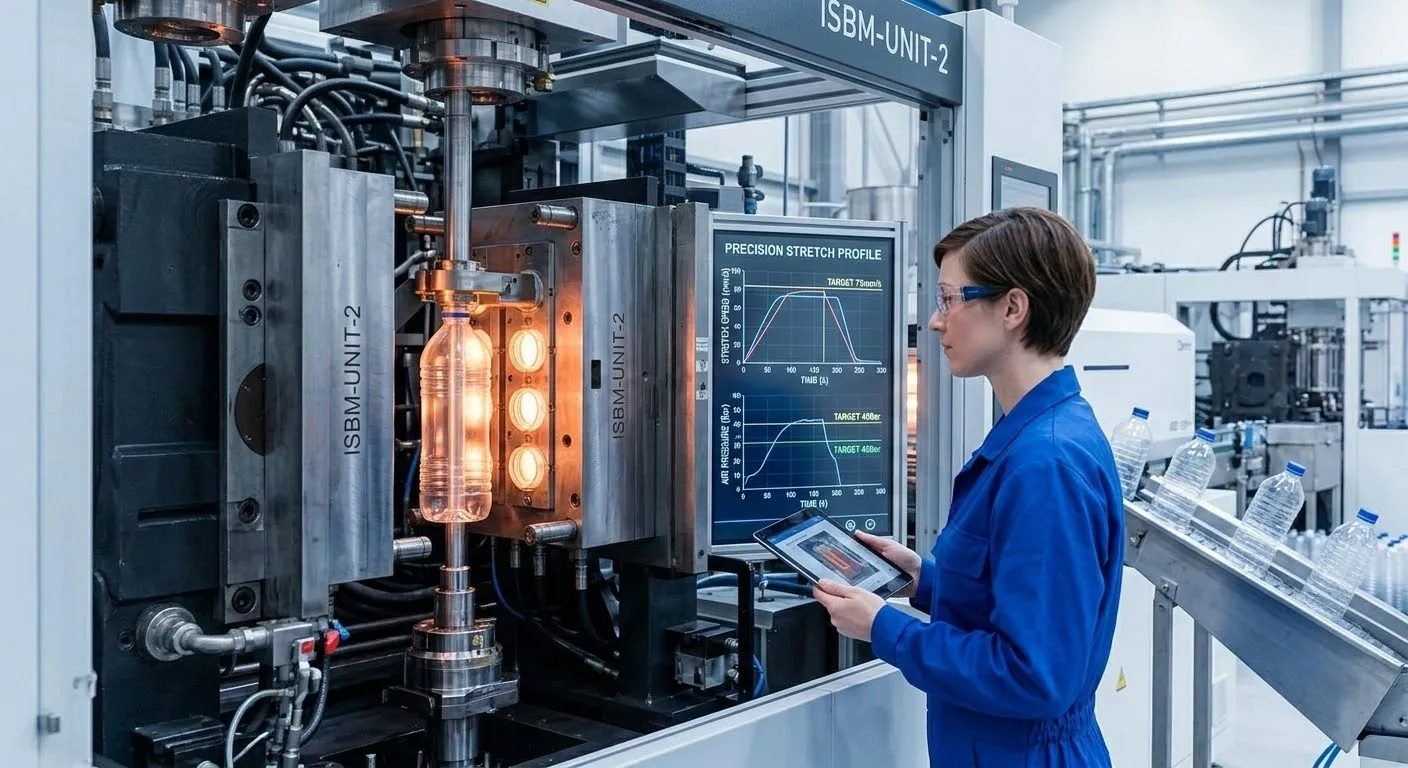
The injection mold module is subjected to the most extreme thermodynamic and fluid dynamic torture within the entire machine. In this zone, molten Polyethylene Terephthalate polymer, heated to nearly three hundred degrees Celsius and pressurized to thousands of bar, is violently injected into the chilled cavities. The hot runner manifold and the injection nozzles are highly susceptible to polymer thermal degradation and carbonization. If a pneumatic valve pin becomes worn, or if microscopic remnants of a previous color masterbatch remain lodged within the nozzle tips, the resulting preforms will exhibit disastrous black specks, severe color streaking, or dangerous weight deviations that ruin the subsequent blow molding phase.
2. Precision Neck Rings and Mechanical Core Pins
The neck ring molds execute a dual function within the ISBM architecture: they are responsible for sculpting the hyper precise dimensional threads that dictate the hermetic sealing performance of the final bottle, and they simultaneously act as the mechanical clamps that transport the scorching hot preforms across every workstation. Because these neck rings must open and close with terrifying frequency during every single production cycle, their sliding guide rails and mating surfaces are extremely vulnerable to metal galling and the accumulation of abrasive polymer dust, directly threatening the micrometer dimensional accuracy of the container’s closure system.
3. Blow Cavities and Micro-Venting Systems
The blow mold cavities bestow the ultimate optical luster and external geometric shape upon the container. When the ultra high pressure blow air forces the pliable plastic to expand and aggressively impact the chilled mold walls, the ambient air residing inside the cavity must be instantaneously evacuated. Consequently, the parting lines of the blow molds are heavily machined with microscopic venting slots. Over thousands of cycles, low molecular weight oligomers and volatile gases released by the heated plastic will condense, solidify, and completely occlude these vital vents. A plugged venting system traps air, resulting in blown bottles plagued by surface bubbles, heavy optical ripples, or severe geometric collapse at the base corners.
Phase Two: The Ironclad Daily Preventive Maintenance Protocol (In-Press Cleaning)
The most highly profitable and successful maintenance strategy in industrial manufacturing is relentless prevention. Executing strict, uncompromising daily cleaning protocols during minor machine pauses or shift handovers is the absolute key to strangling catastrophic tooling failures in their infancy. The central philosophy of daily maintenance is Non Destructive Intervention preserving the absolute purity of the parting lines and molding surfaces without ever requiring the heavy, time consuming removal of the mold blocks from the machine chassis.
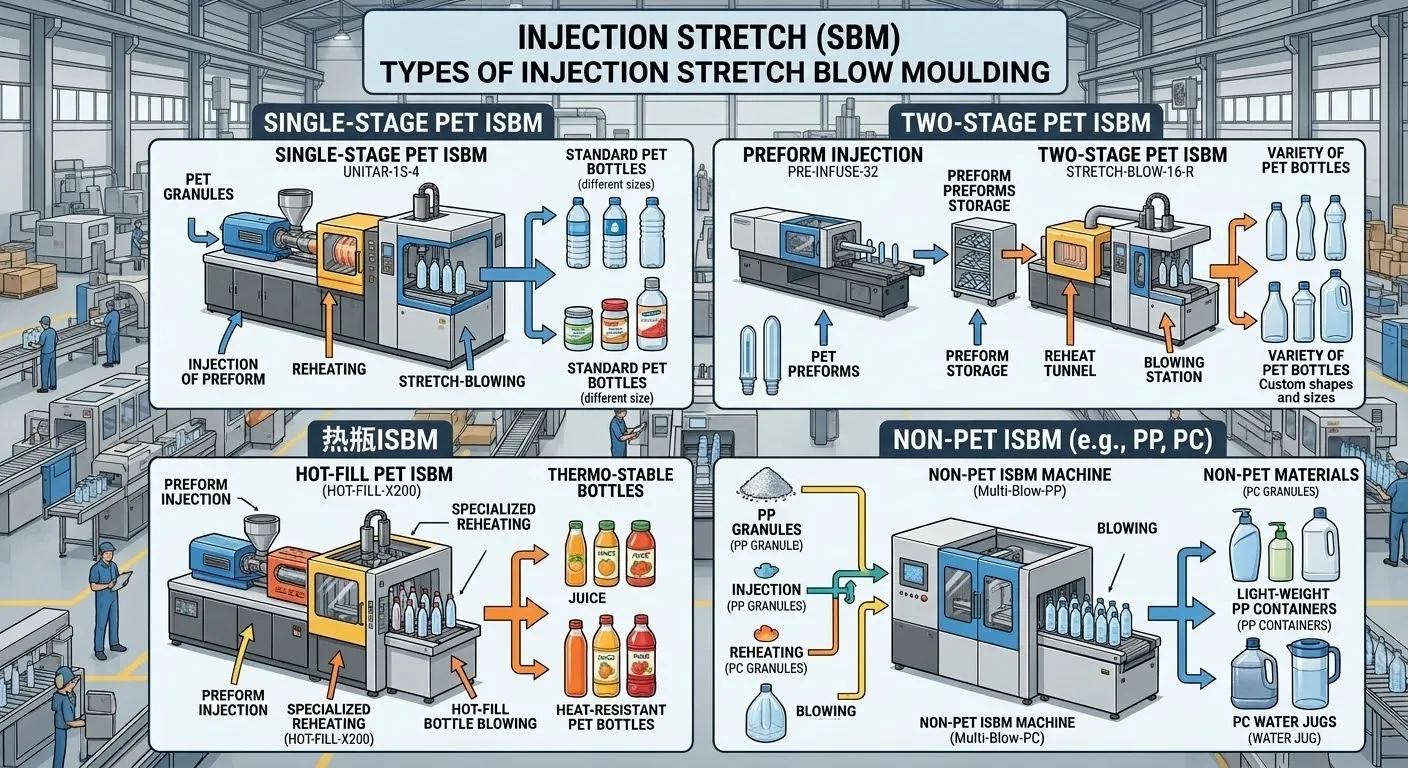
At the conclusion of every production shift, or during any mandatory quality control stoppage, certified operators must don cleanroom grade protective gloves, utilize specialized lint free industrial wipes, and apply incredibly mild, non abrasive mold cleaning solvents to delicately wipe down the parting lines of both the injection and blow molds. It is absolutely, unequivocally forbidden to utilize sandpaper, abrasive scouring pads, steel wire brushes, or hardened metallic tools to scrape the mold surfaces. The premium aerospace aluminum utilized in blow cavities is exceptionally vulnerable; any microscopic metallic scratch inflicted by a careless technician will be perfectly replicated onto the surface of every single bottle produced thereafter, completely annihilating the premium aesthetic positioning of the brand.
To facilitate this critical daily discipline, Ever-Power engineers design our machinery with uncompromising ergonomic accessibility. For our highly agile foundational manufacturing platforms, such as the immensely reliable EP-BPET-94V3 三工位注塑拉伸吹塑机, and the ultra compact boutique champion, the EP-BPET-70V4 四工位注塑拉伸吹塑机, the safety enclosures are designed to provide vast, unobstructed operational clearance. This intelligent architectural layout permits maintenance personnel to effortlessly step inside the safety perimeter, visually inspect every square inch of the tooling across all workstations, and execute daily wiping routines with maximum comfort and efficiency, thereby drastically elevating the compliance rate of standard operating procedures on the factory floor.
Phase Three: Advanced Deep Decontamination Technologies Conquering Vents and Carbon
When gentle daily wiping protocols are no longer sufficient to eradicate deeply embedded polymer deposits, the facility must escalate to advanced deep decontamination technologies during scheduled monthly or quarterly preventative maintenance shutdowns. The occlusion of microscopic venting slots is the most persistent antagonist facing blow molds, as the hardened oligomer residue eventually transforms into a rock like substance that resists chemical solvents.
1. Cryogenic Dry Ice Blasting Technology
Cryogenic dry ice blasting is currently revered as the ultimate, non destructive, high tech cleaning methodology in the global plastics industry. This advanced system utilizes high velocity compressed air to accelerate solid carbon dioxide pellets dry ice toward the contaminated mold surfaces. The exact microsecond these freezing pellets impact the relatively warm metallic surface of the mold, they undergo instantaneous sublimation expanding their volume by hundreds of times. This rapid expansion generates microscopic explosive forces that effectively lift and completely separate the stubborn oligomers, heavy greases, and carbonized polymer residues from the underlying steel or aluminum.
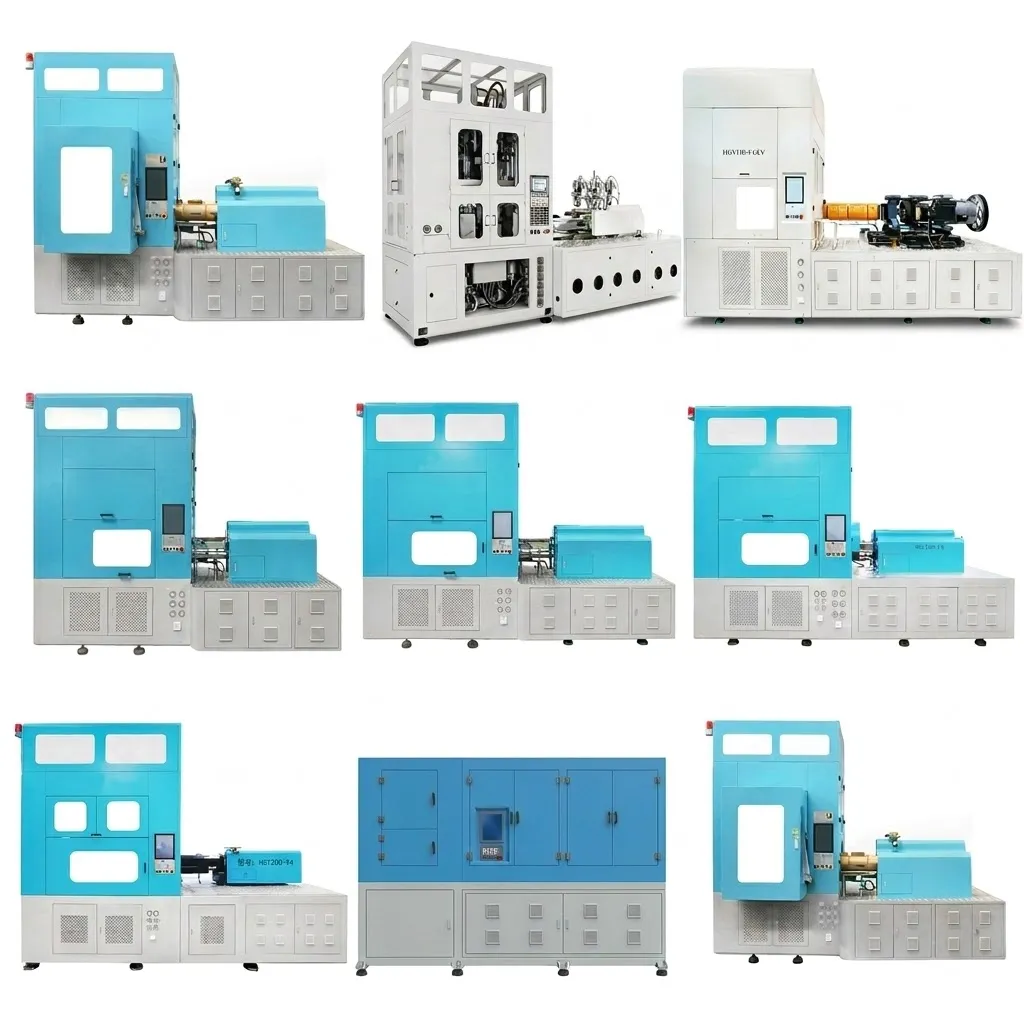
The most magnificent engineering advantage of this technology is that upon impact, the dry ice completely vanishes into the atmosphere as carbon dioxide gas, leaving absolutely zero secondary waste media to clean up. Furthermore, because solid dry ice possesses a Mohs hardness rating significantly lower than that of hardened tool steel or aerospace aluminum, it is physically impossible for the blasting process to abrade, pit, or scratch the hyper polished mirror finishes of the mold cavities. This technology is an absolute savior when maintaining the profoundly complex, deeply engraved molds utilized on platforms like the EP-HGYS280-V6 六工位注塑拉伸吹塑机, easily obliterating dirt trapped deep within the inaccessible corners of extreme asymmetrical container designs.
2. Ultrasonic Bath Submersion for Internal Components
For critical mold components that require a total, molecular level overhaul specifically the intricate internal components of a disassembled hot runner manifold ultrasonic bath cleaning is the ultimate definitive solution. The disassembled metallic blocks, nozzles, and valve pins are carefully submerged into heated stainless steel tanks filled with specialized, heavy duty descaling solvents. High frequency ultrasonic generators bombard the liquid, creating millions of microscopic cavitation bubbles. As these bubbles violently implode against the metallic surfaces, they release massive bursts of localized kinetic energy. This phenomenon literally shatters and strips away the most stubbornly baked on carbonized plastic hidden deep within microscopic water channels, blind tapped holes, and the internal flow paths of the hot runner nozzles, restoring the components to their pristine, factory original condition.
Phase Four: Cooling Channel Descaling The Ultimate Thermodynamic Defense
Within the precise science of the ISBM process, perfect thermodynamic equilibrium is the bedrock upon which all physical container performance is built. If the intricate internal water cooling channels of the injection mold become compromised, causing the preform to cool unevenly, it is physically impossible to produce a flawless bottle regardless of how masterfully the blow molding parameters are tuned. The final container will invariably suffer from lethal wall thickness deviations or catastrophic stress whitening. Internal cooling channel degradation is the most dangerous, invisible vulnerability of any mold system.
The vast majority of packaging facilities circulate industrial chilled water through their molds. Over thousands of hours of high temperature operation, calcium and magnesium ions naturally present in the water will precipitate and crystallize against the hot internal walls of the cooling channels, forming a rock hard layer of mineral scale. This calcium scale acts as a phenomenally effective thermal insulator. An accumulation of scale merely one millimeter thick can instantly obliterate the thermal transfer efficiency of the mold by over thirty percent. This thermal blockage directly forces operators to drastically extend the injection cooling timers to compensate, violently slowing down the machine cycle time, or worse, it initiates lethal thermal crystallization defects in the thickest areas of the preform base.

Therefore, aggressive, scheduled fluid descaling operations constitute a non negotiable mandate in any elite maintenance protocol. Maintenance engineers must deploy dedicated, high volume circulation pumps to continuously flush a mildly acidic descaling chemical heavily fortified with metallic corrosion inhibitors through the mold’s internal water circuits for several hours until the hardened scale is entirely dissolved. This is immediately followed by a massive high pressure flush using clean water and alkaline neutralizing agents to arrest any residual acidic corrosion. For exceptionally high velocity equipment featuring incredibly dense conformal cooling networks, such as the globally revered EP-BPET-125V4 四工位注塑拉伸吹塑机 and our foundational powerhouse, the EP-HGY150-V4 四工位注塑拉伸吹塑成型机, guaranteeing the absolute, unobstructed flow of these thermodynamic channels is the single most critical factor in sustaining their lightning fast dry cycle speeds and extracting the absolute maximum Return on Investment.
Phase Five: The Exacting Art of Lubrication Preventing Wear vs. Contamination
An ISBM mold is a phenomenally dense aggregation of highly stressed moving mechanical components, encompassing heavy guide pillars, ejector plates, and complex sliding thread splits. Operating these metallic components without lubrication under the immense pressure of the machine’s clamping tonnage would cause catastrophic metal on metal friction, instantly fusing and destroying the mold plates within a matter of hours. However, the paradox of maintenance is that excessive or improper lubrication is the leading cause of disastrous product contamination.
Standard, cheap industrial greases liquefy rapidly when subjected to the intense radiant heat of the injection barrels. Once liquefied, this dark grease drips directly into the pristine mold cavities or smears onto the exterior of the transparent bottles. In the realm of luxury cosmetics or pharmaceutical packaging, a single drop of grease on a container results in immediate batch rejection by the client. Consequently, ISBM mold maintenance demands strict adherence to the philosophy of Minimalist Lubrication. Technicians are permitted to apply only microscopic films of highly specialized, fully synthetic high temperature injection molding greases. Furthermore, if the facility manufactures any food contact or medical grade packaging, the usage of National Sanitation Foundation (NSF) H1 certified food grade lubricants is an absolute legal mandate.
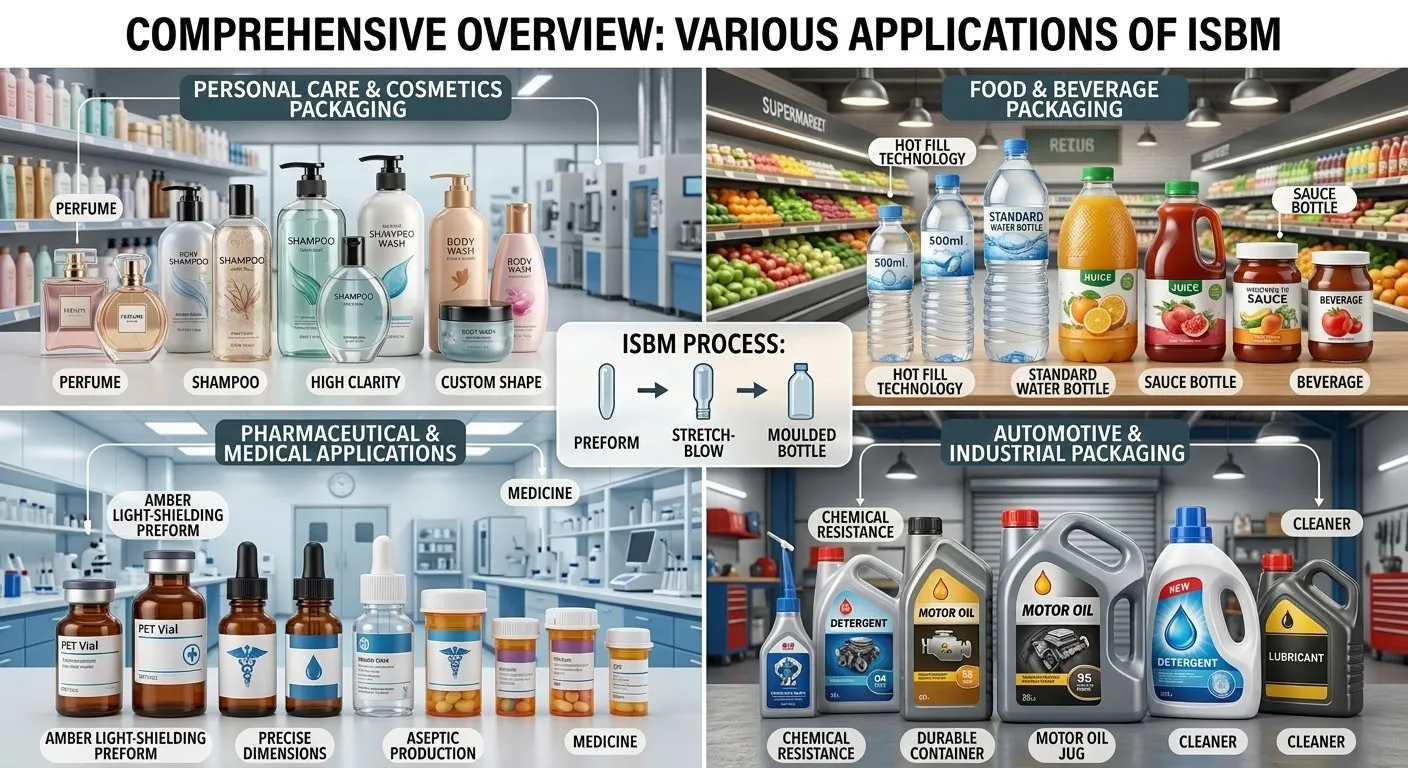
To forcefully eradicate the risk of lubrication contamination at the absolute root of the engineering level, Ever-Power has pioneered revolutionary cleanroom architectures within our premium platforms. Behold the technological majesty of our elite servo driven systems engineered specifically for draconian medical and sterile environments, the EP-HGY150-V4-EV 全伺服四工位注塑拉伸吹塑成型机 以及 EP-HGY50-V3-EV 全伺服注塑拉伸吹塑机. In seamless conjunction with these fully electric, oil free chassis, our bespoke molds are constructed utilizing highly advanced self lubricating bronze alloys deeply impregnated with solid graphite matrices for all critical guide bushings. These advanced metallurgical components automatically release microscopic, solid dry lubricant particles over millions of high pressure friction cycles, totally severing the dependency on external liquid greases and gifting your facility an authentic, zero contamination, zero black speck manufacturing ecosystem.
Phase Six: Rigging and Maintenance Strategies for Colossal Double-Row Tooling
When major manufacturing enterprises secure staggering global contracts to supply multinational beverage corporations with purified water or massive bulk edible oil containers, they universally deploy extreme cavitation, Double-Row machinery platforms. The molds engineered for these colossal machines are terrifying in their sheer physical scale and tonnage.
Executing deep maintenance on these industrial leviathans such as our industry dominating EP-HGY250-V4-B 双排四工位注塑拉伸吹塑机 and the incredibly formidable EP-HGY200-V4-B 四工位注塑拉伸吹塑成型机 demands draconian adherence to heavy rigging and overhead crane safety protocols. It is strictly forbidden to attempt a deep teardown of these massive molds while they are still mounted inside the machine. Highly trained rigging technicians must utilize certified, heavy duty overhead gantry cranes, connecting industrial lifting slings strictly to the designated, load rated hoist rings machined into the top of the mold blocks. The tooling is then smoothly extracted and transported to a dedicated, heavy duty mold maintenance laboratory.
When servicing the massive hot runner manifolds that feed these double row architectures, technicians must deploy precision digital multimeters to exhaustively verify the electrical resistance and integrity of every single heater band and thermocouple sensor across dozens of cavities. In a high speed double row production environment, the thermodynamic failure of even a single cavity will silently generate thousands of defective, rejected preforms within a matter of hours.
Phase Seven: The Shutdown Protocol Rust Prevention and Long-Term Storage
During seasonal product changeovers or scheduled annual factory shutdowns, expensive molds are removed from the active machinery and transferred to warehouse storage. This transition represents a highly dangerous vulnerability period. If a mold is carelessly tossed into a warehouse while internal cooling water still resides within its channels, the stagnant water will rapidly oxidize the steel. Within a few short weeks, the internal passages will be completely choked with destructive iron oxide rust, inflicting permanent, irreversible damage to the highly expensive metallic surfaces.
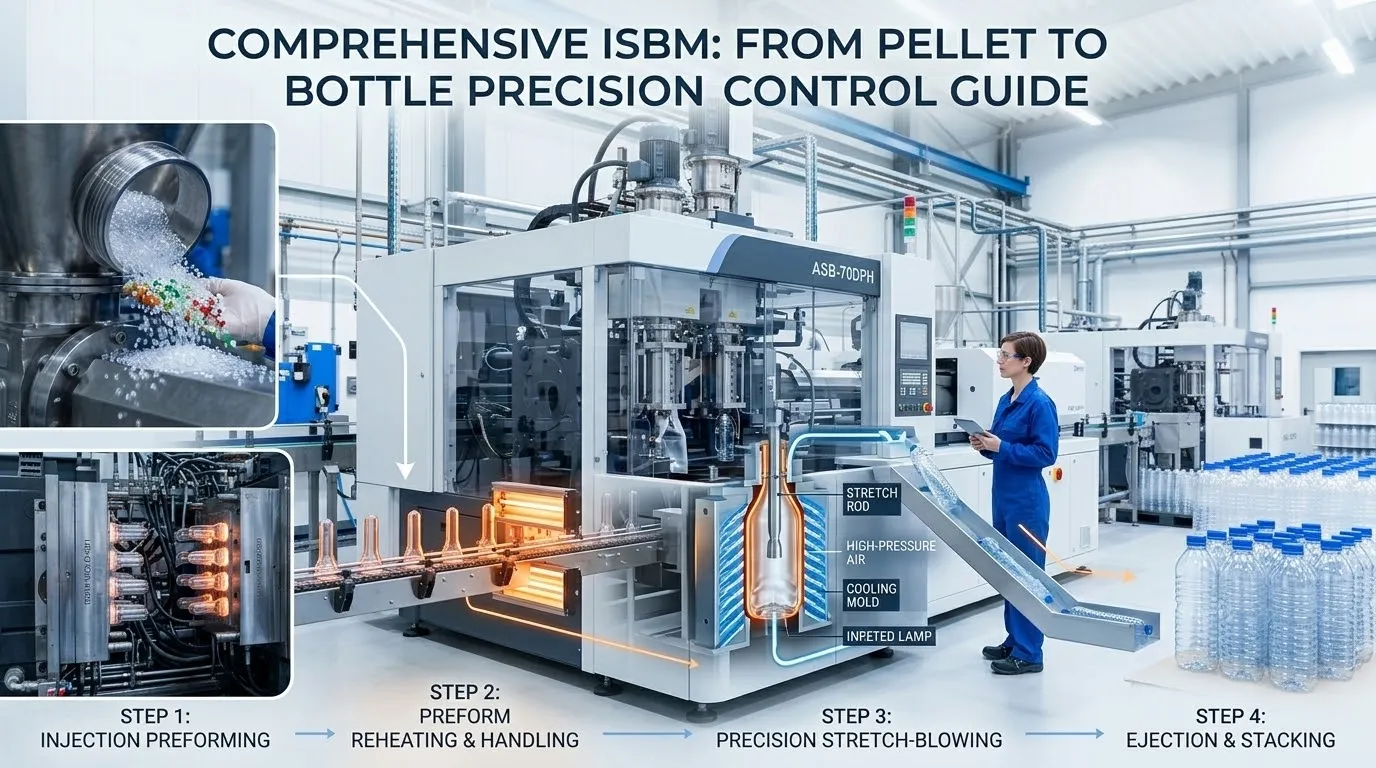
An ironclad, uncompromising Shutdown Protocol must be strictly enforced. Prior to disconnecting the mold from the ISBM chassis, technicians must blast high pressure, heavily filtered compressed air through every single cooling circuit for an extended duration, guaranteeing the absolute evacuation of every last drop of moisture. Subsequently, all exposed metallic surfaces that lack specialized anti corrosion plating must be heavily saturated with a premium, industrial grade rust preventive spray. To block the intrusion of atmospheric humidity and abrasive warehouse dust, the mold halves must be mechanically locked shut and hermetically sealed using heavy duty industrial shrink wrap. For our ultimate heavy armor platforms, such as the EP-HGY650-V4 四工位注塑拉伸吹塑机 which swings massive, multi ton tooling blocks designed for colossal 20 liter bulk containers this meticulous storage regimen is the absolute guarantee that the tooling will instantly detonate with peak, flawless performance the moment it is reinstalled for the next production season.
Phase Eight: The O-Ring Dilemma and Predictive Replacement Strategies
Hidden deep within the massive steel architecture of the mold lies an army of hundreds of tiny, yet absolutely critical, elastomeric O rings and pneumatic seals. These microscopic rubber components hold back the immense pressure of circulating cooling water and high velocity compressed air. After enduring months of relentless high temperature baking and violent pressure spikes, these elastomeric compounds inevitably suffer from thermal degradation, becoming dangerously brittle and losing all compression elasticity. If a degraded water O ring ruptures during production, a high pressure geyser of cooling water will instantly flood the scalding hot runner manifold, triggering catastrophic electrical short circuits, massive hardware damage, and days of excruciatingly expensive machine downtime.
To absolutely neutralize this risk, advanced manufacturing facilities must immediately abandon the obsolete “run it until it breaks” mentality and aggressively adopt Predictive Maintenance strategies. Regardless of how pristine an O ring may appear to the naked eye during an inspection, if the mold has reached the mandatory lifecycle threshold dictated by the engineering manual such as six months of continuous operation or one million injection cycles a comprehensive, one hundred percent replacement of all seals is a non negotiable requirement. For facilities operating high intensity, continuous output lines relying on our incredibly rugged EP-HGY250-V4 四工位注塑拉伸吹塑机, adhering to this draconian, proactive replacement discipline is the ultimate secret weapon for sustaining terrifying twenty four seven, year round uninterrupted production records.
Conclusion: Forging Value Through Maintenance, Defending Profit Through Discipline
Profoundly mastering How to clean and maintain ISBM molds transcends the simple act of training a technician to wield a wrench and a can of degreaser; it is the ultimate realization of a corporation’s manufacturing philosophy and financial discipline. In the brutal, unforgiving red ocean of the global packaging industry, factories that view mold maintenance as an annoying afterthought will inevitably be consumed by astronomical scrap rates, spiraling energy bills, and the furious wrath of dissatisfied clients. Conversely, enterprises that revere their tooling as their most precious asset and execute uncompromising, elite maintenance protocols will successfully squeeze millions of dollars in additional net profit from every single machine across its operational lifecycle.
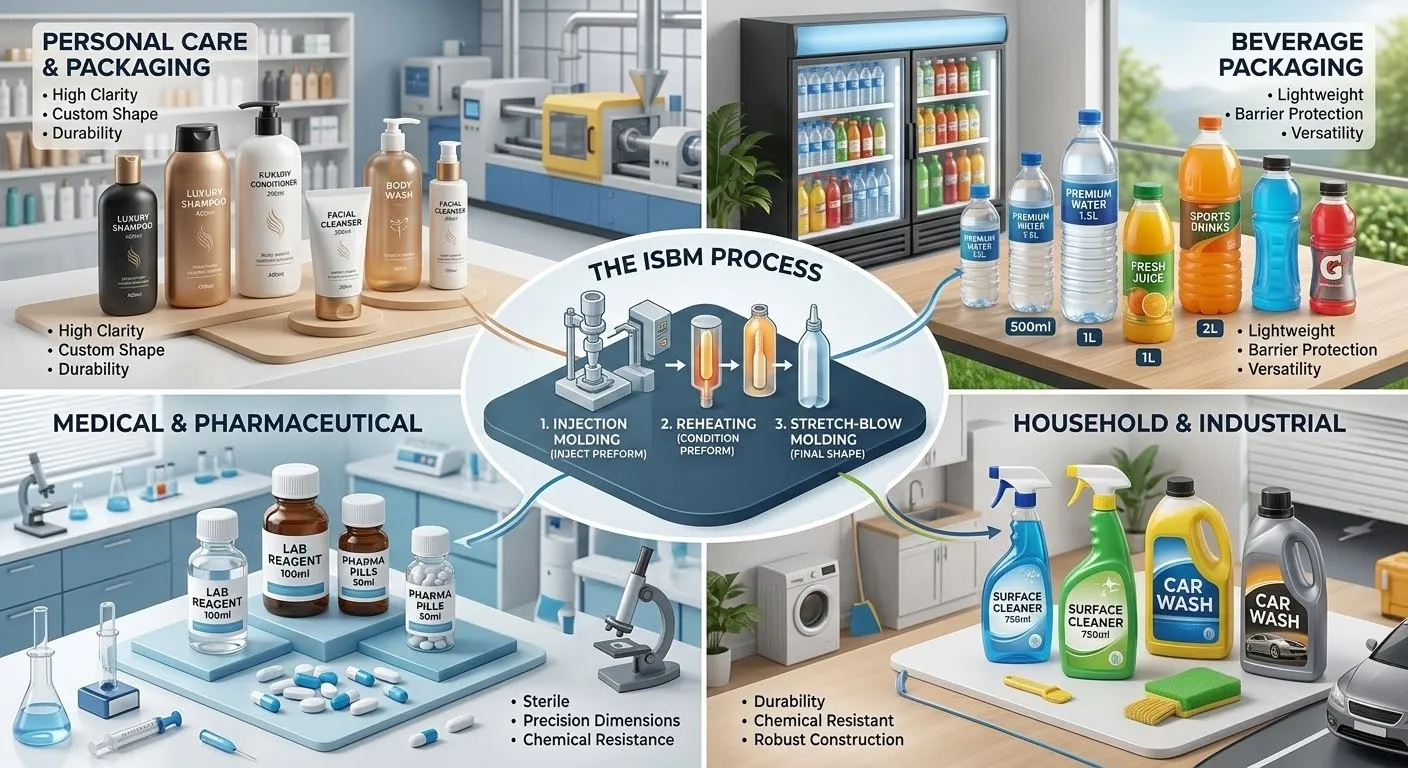
As the undisputed ISBM manufacturing titan headquartered in Brazil, projecting absolute engineering dominance across the Americas and deeply serving the world’s most elite supply chains, Ever-Power has aggressively encoded maintenance friendly DNA directly into the steel bones of our machinery. From incredibly expansive, ergonomic operator access zones, to completely oil free full servo electric drives that eradicate contamination, to our unparalleled self lubricating advanced tooling ecosystems, we forcefully strip the heavy burden of maintenance from your shoulders. When you align your enterprise with Ever-Power, you are not merely acquiring a high velocity production platform; you are securing an impenetrable industrial fortress engineered to continuously print high margin wealth with the absolute lowest maintenance overhead and the highest possible Overall Equipment Effectiveness in the global market.
Reconstruct Your Tooling Management Ecosystem Today
You can no longer permit negligent maintenance protocols, catastrophic unplanned downtime, and devastating hot runner carbonization to silently assassinate your corporate profit margins and tarnish your market reputation. Forge an ironclad alliance with the globally recognized leader in precision engineering and manufacturing. Deploy the Ever-Power ISBM machinery matrix boasting absolute physical stability and the ultimate maintenance-friendly architecture directly into your production lines, and initiate a glorious new era of zero-failure, hyper-accelerated capital return.
Are you fully prepared to execute a profoundly deep, highly rigorous industrial audit of your current equipment maintenance strategies and tooling lifecycle management? Immediately access our global corporate headquarters hub at https://isbmmolding.com/, or directly intercept our senior maintenance engineering expert team right now at [email protected] to secure your bespoke, ultimate equipment deployment blueprint and advanced tooling preservation protocol.