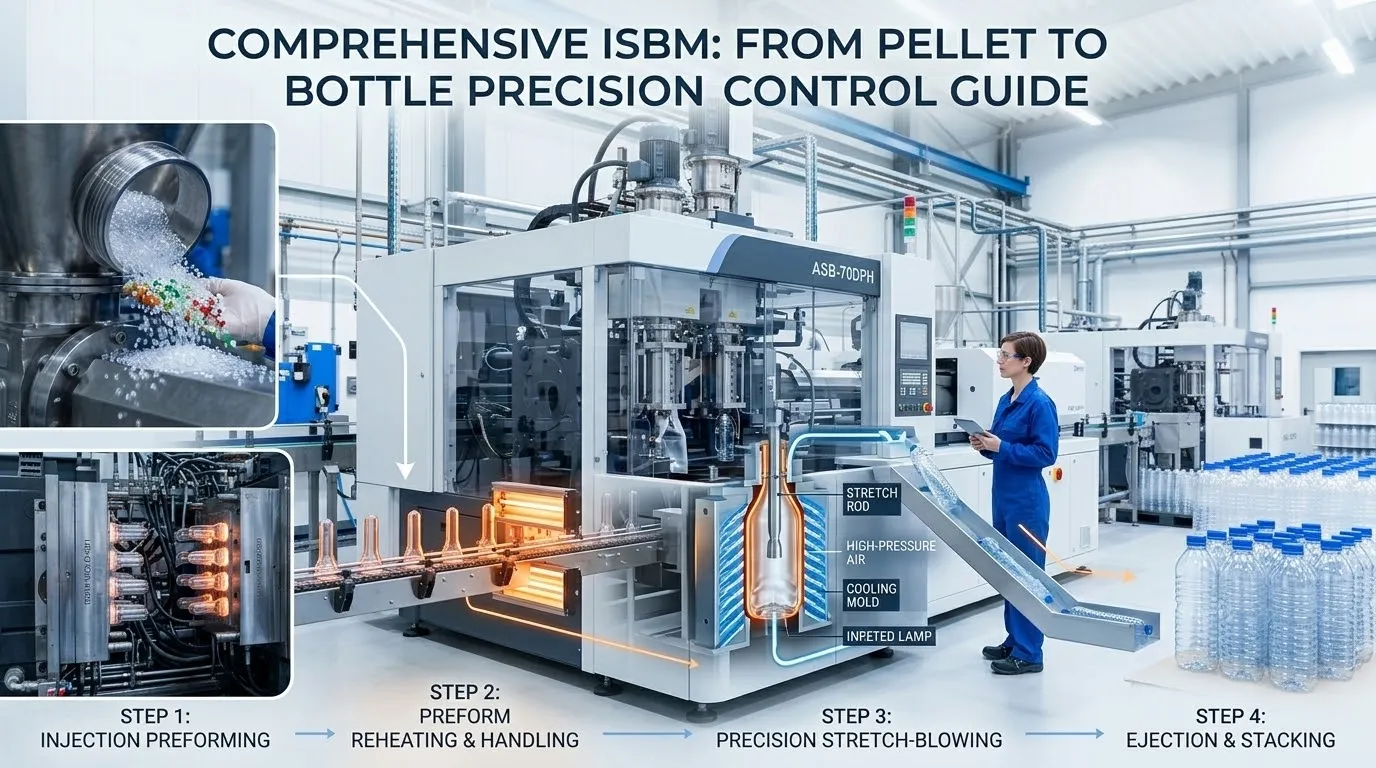
What is Injection Stretch Blow Molding (ISBM)?

Comprehensive ISBM Process from Pellet to Bottle

Welcome to the comprehensive guide on modern plastic manufacturing technologies. If you are navigating the complex landscape of packaging solutions, understanding the intricacies of the Injection Stretch Blow Molding process is absolutely essential. Whether you are packaging pharmaceuticals, premium cosmetics, carbonated beverages, or household chemicals, the container you choose speaks volumes about your brand. Here at Ever-Power, a proud and leading Brazilian ISBM manufacturer, we have dedicated our engineering prowess to mastering this exact technology. We aim to provide unparalleled quality, precision, and efficiency to our clients across South America and the global market.

In this extensively detailed resource, we will explore every facet of this sophisticated manufacturing technique. By breaking down the science, the machinery, the materials, and the final applications, we will demonstrate why so many industries rely on this specific method for their high-quality plastic bottles and containers. Our goal is to empower you with expert knowledge, aligning with the highest standards of industry expertise, experience, authoritativeness, and trustworthiness.

The Fundamental Definition: Exploring the Injection Stretch Blow Molding Process

To truly grasp the value of this technology, we must first define it precisely. Injection Stretch Blow Molding, frequently abbreviated in the industry as ISBM, is a highly specialized manufacturing process utilized primarily for the production of high-quality, biaxially oriented plastic containers. Unlike standard extrusion blow molding, which simply pushes out a hollow tube of plastic and blows it into a mold, the ISBM technique is far more precise and involves multiple distinct stages of plastic conditioning and manipulation.

The process begins with the injection molding of a “preform.” A preform is a test-tube-shaped piece of plastic that already features the fully formed, final neck and thread finish of the intended bottle. Because the neck is created via injection molding, it boasts incredibly tight tolerances, ensuring that caps and closures fit perfectly without leaking. Once this preform is created, it is conditioned to an exact temperature profile, mechanically stretched with a physical rod, and finally blown outward with high-pressure air to match the exact shape of the final mold cavity.

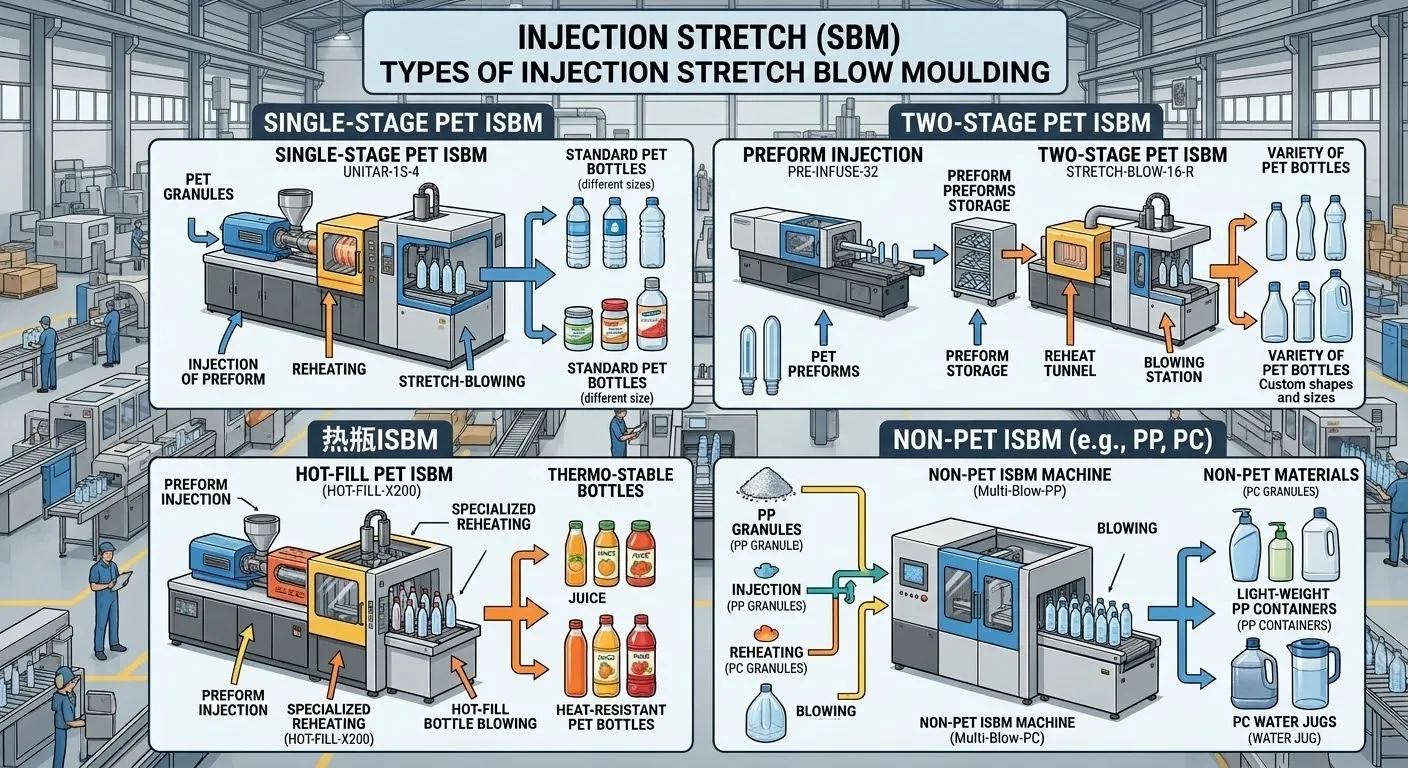
Various Types of ISBM Technologies

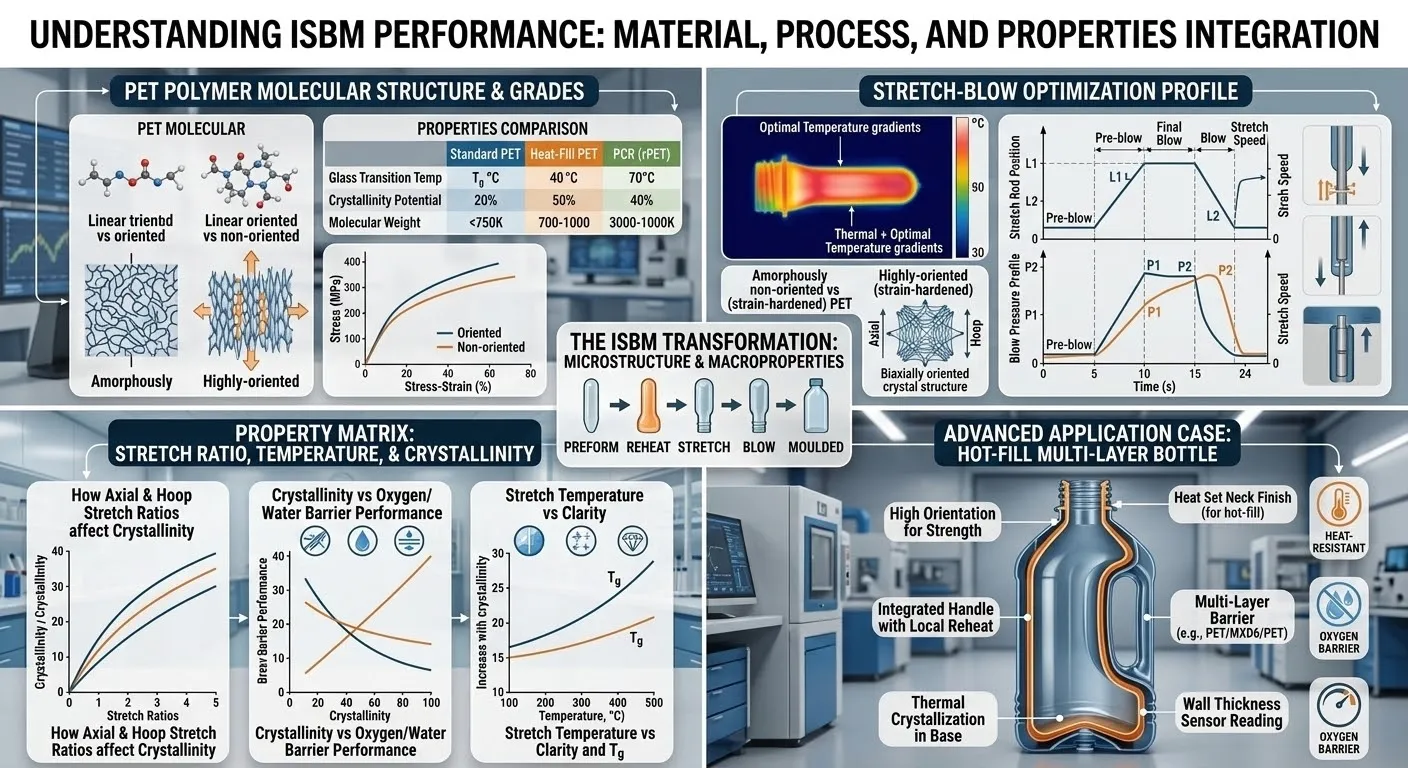
The critical differentiator here is the “stretch” phase. By mechanically stretching the polymer chains both vertically down the length of the bottle and horizontally around the circumference, the plastic undergoes what is known as biaxial orientation. This molecular realignment fundamentally changes the physical properties of the plastic. It significantly increases the tensile strength, improves the barrier properties against gases like oxygen and carbon dioxide, and dramatically enhances the visual clarity of the material. For materials like Polyethylene Terephthalate, this orientation is what transforms a brittle, thick preform into a shatter-resistant, crystal-clear bottle.

Single-Stage versus Two-Stage Systems: A Detailed Comparison

Within the realm of ISBM manufacturing, there are two primary architectural pathways that engineers and manufacturers can choose: the single-stage process and the two-stage process. Understanding the distinction between these two methods is vital for any brand looking to optimize their supply chain, manage tooling costs, and ensure the highest quality output for their specific product line.

The Single-Stage ISBM Method (1-Step)

In a single-stage system, the entire transformation from raw plastic resin pellets to the final, finished bottle occurs within one continuous machine. The machine is typically divided into three or four stations arranged in a carousel or linear configuration. As a premier Brazilian ISBM manufacturer, Ever-Power frequently leverages single-stage technology for projects requiring utmost visual perfection and customized, non-standard container shapes.


  • Station One: Injection. The raw polymer is melted and injected into a mold to create the preform.

  • Station Two: Conditioning. The newly created preform, which still retains much of its initial heat from the injection process, is allowed to cool or is specifically heated to the precise temperature required for orientation.

  • Station Three: Stretch Blow. The conditioned preform is placed into the blow mold, stretched mechanically, and expanded with air.

  • Station Four: Ejection. The finished bottle is removed from the machine.

The primary advantage of the 1-step method is that the preform never leaves the machine. This means it is never subjected to scuffing, scratching, or contamination that can occur during storage and transport. This makes the single-stage process ideal for cosmetic packaging, premium pharmaceutical bottles, and custom shapes where absolute flawless clarity is non-negotiable. Furthermore, because the preform retains latent heat from the injection phase, single-stage machines can sometimes be more energy-efficient for specific production runs. However, the production speed is generally lower compared to two-stage systems, and the tooling costs can be higher because a complete set requires both injection and blow molds.

The Two-Stage ISBM Method (2-Step)

The two-stage process physically separates the manufacturing of the preform from the blowing of the final bottle. This is the dominant method used for high-volume commodities like carbonated soft drinks, bottled water, and large-scale food packaging.

In the first stage, dedicated high-cavitation injection molding machines produce massive quantities of preforms. These preforms are allowed to cool completely to room temperature. They can then be stored in massive silos, boxed, or even shipped halfway across the world. In the second stage, these cold preforms are fed into a separate piece of equipment known as a reheat stretch blow molding machine. The machine uses a continuous chain to transport the preforms through an oven system, typically utilizing infrared lamps to rapidly and precisely reheat the plastic back to its optimal stretching temperature before transferring them to the blowing station.

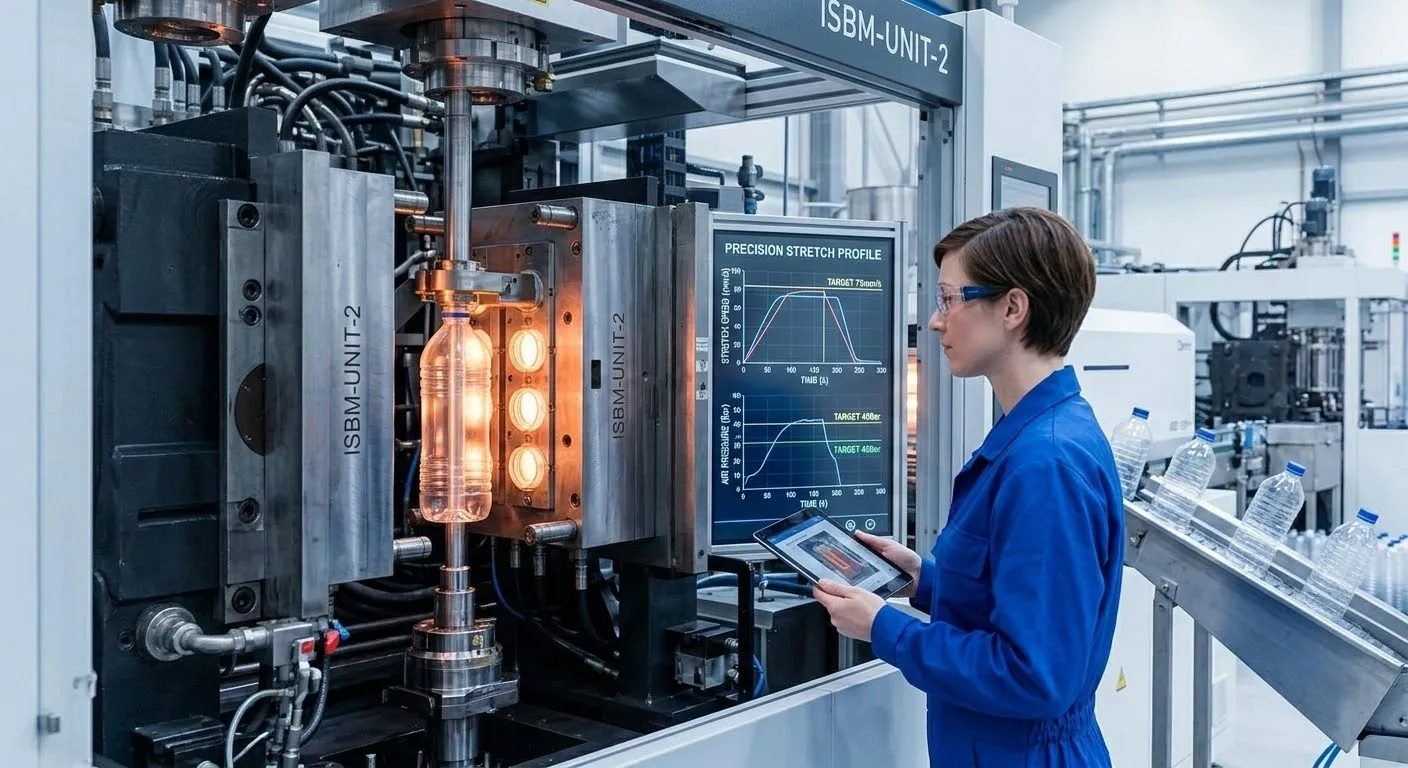
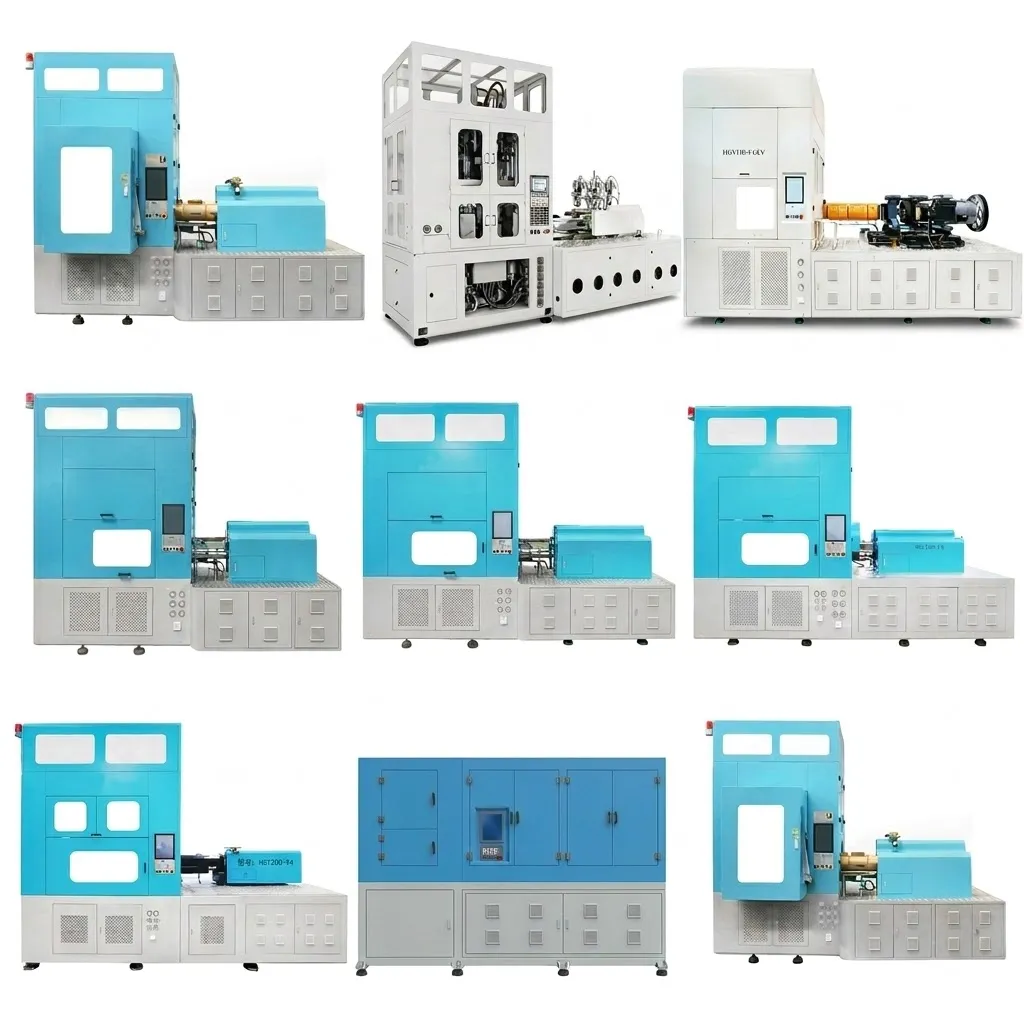
Advanced Ever-Power ISBM Factory Floor

The two-stage method offers incredible economies of scale. Preform injection machines can run independently at their optimal cycle times, and blow molding machines can operate at blistering speeds, sometimes producing tens of thousands of bottles per hour. It allows beverage companies to purchase preforms from dedicated suppliers and only blow the bottles at the filling plant, drastically reducing the volume and cost of transporting empty bottles. However, the handling of cold preforms can introduce minor surface scratches, which is why this method is less preferred for luxury cosmetics where surface perfection is mandatory.

Deep Dive into Polymer Science: Materials Used in ISBM

The success of the ISBM manufacturing process is deeply intertwined with the science of polymers. Not all plastics are suitable for biaxial orientation. The material must possess specific rheological properties, a distinct glass transition temperature, and the ability to strain-crystallize. At Ever-Power, our material scientists work closely with clients to select the absolute best polymer for their specific application.

聚对苯二甲酸乙二醇酯(PET)

PET is the undisputed king of the PET stretch blow molding industry. It is a highly versatile thermoplastic polymer belonging to the polyester family. Before processing, PET resin pellets must be rigorously dried. PET is hygroscopic, meaning it absorbs moisture from the ambient air. If processed with moisture present, a chemical reaction called hydrolysis occurs within the melting barrel, breaking down the polymer chains, drastically reducing the intrinsic viscosity, and resulting in brittle, unusable bottles.

Once properly dried and injected, PET forms an amorphous, transparent preform. When reheated to just above its glass transition temperature (typically between seventy-five and eighty-five degrees Celsius) and stretched, the random molecular chains align themselves parallel to the direction of the stretch. This strain-induced crystallization creates a microscopic structure that allows light to pass through unhindered, resulting in glass-like clarity. Simultaneously, this tightly packed molecular structure creates a formidable barrier against gas permeation, locking carbon dioxide inside soda bottles and keeping oxygen out of sensitive food products.

Understanding ISBM Material Performance and Integration

聚丙烯(PP)

While PET dominates the market, Polypropylene is gaining significant traction in specific sectors. PP is inherently lighter than PET, offering potential savings in material usage and shipping weight. Furthermore, PP boasts excellent chemical resistance and a higher heat deflection temperature. This makes it an ideal candidate for products that require hot-filling, such as certain juices, sauces, or medical solutions that undergo sterilization processes.

Processing PP in an ISBM machine presents unique challenges compared to PET. Polypropylene has a much narrower processing temperature window. If the preform is slightly too cold, it will not stretch properly; if it is slightly too hot, the material will melt entirely and fail to orient. Achieving high clarity in PP also requires specialized clarifying additives and extremely precise temperature control during the conditioning phase. As a highly experienced Brazilian ISBM manufacturer, Ever-Power has refined the complex heating profiles required to produce exceptionally clear and strong PP containers.

Polycarbonate (PC) and Tritan

For applications requiring extreme durability, impact resistance, and repeated use, engineering resins like Polycarbonate and Eastmans Tritan copolyester are utilized. These materials are frequently seen in reusable sports water bottles, baby feeding bottles, and heavy-duty water cooler jugs. While these materials are more expensive and require higher processing temperatures, their performance characteristics are unmatched. Tritan, in particular, has become highly popular due to its lack of Bisphenol-A (BPA) while maintaining the glass-like appearance and shatter resistance expected by premium brands.

Step-by-Step Breakdown: The Intricacies of the Blow Station

Let us examine the exact sequence of events that occurs inside the blow mold cavity. This operation happens in a fraction of a second, yet it requires precise synchronization of mechanical movements and pneumatic pressures. Understanding this micro-process is the key to unlocking the true Injection Stretch Blow Molding advantages.

First, the heated, conditioned preform is transferred into the open blow mold. The mold halves then clamp shut with immense force. The area holding the threaded neck finish closes tightly, ensuring the neck dimensions are preserved and acting as an anchor point for the stretching process. At this moment, the preform hangs suspended in the center of the hollow mold cavity.

Industrial Applications of ISBM Technology

Immediately, the stretch rod descends through the top opening of the preform neck. Driven by either high-speed pneumatic cylinders or highly precise electric servo motors, the rod travels downward until it contacts the inside bottom dome of the preform. The rod continues to push downward, physically stretching the hot plastic longitudinally until the rod pins the plastic against the base of the blow mold. This action achieves the vertical, or axial, orientation of the polymer molecules.

Almost simultaneously with the stretch rod descent, the blowing process begins. This is usually managed in two distinct pneumatic phases. The first phase is the “pre-blow.” A relatively low-pressure volume of air is introduced into the preform. This pre-blow prevents the plastic from sticking to the descending stretch rod and gently begins expanding the plastic outward like a balloon. The timing and pressure of the pre-blow are critical; if initiated too early, the bottle will have excess material in the upper shoulder region. If initiated too late, the material will pool at the base.

Once the stretch rod has reached the bottom, the system triggers the “high-pressure blow.” A massive surge of high-pressure air, often reaching up to forty bar for complex PET bottles, blasts into the expanded bubble. This immense pressure forces the plastic violently against the cold walls of the blow mold. The plastic instantly replicates the intricate details, logos, and structural ribs engraved into the mold surface. Contact with the chilled mold walls instantly cools the plastic, freezing the biaxially oriented molecular structure in place.

Finally, an exhaust valve opens, releasing the high-pressure air from within the newly formed bottle. The stretch rod retracts upwards, the massive mold halves separate, and the finished bottle is ejected, ready for inspection, packing, or immediate filling. This entire cycle, from mold closing to bottle ejection, can occur in less than one second on high-speed industrial equipment.

Engineering Perfection: Preform Design and Stretch Ratios

The success of any ISBM plastic bottles project is decided long before the machine is turned on; it is decided during the engineering phase. Designing a preform is a complex mathematical and thermodynamic puzzle. It is not merely a smaller version of the bottle; it is a carefully calculated reservoir of plastic meant to distribute perfectly upon expansion.

One of the most critical calculations in this phase is the stretch ratio. This ratio defines how much the plastic will be expanded from its preform state to its final bottle state. There are three primary ratios engineers calculate:

  • Axial Stretch Ratio: The ratio of the length of the final bottle (below the neck) compared to the length of the stretchable portion of the preform.
  • Hoop Stretch Ratio: The ratio of the maximum inner diameter of the final bottle compared to the inner diameter of the preform.
  • Planar Stretch Ratio (or Total Blow-Up Ratio): The Axial Ratio multiplied by the Hoop Ratio. This provides an overall representation of the material expansion.

For PET, the ideal planar stretch ratio generally falls between eight to one and twelve to one. If the ratio is too low, the polymer chains will not experience enough strain to align and crystallize properly. This results in a bottle that is cloudy, weak, and susceptible to gas permeation. Conversely, if the ratio is too high, the material will be stretched beyond its elastic limits. This causes micro-tearing in the molecular structure, resulting in a distinct, whitish, pearlescent appearance on the bottle, ultimately leading to structural failure and bursting.

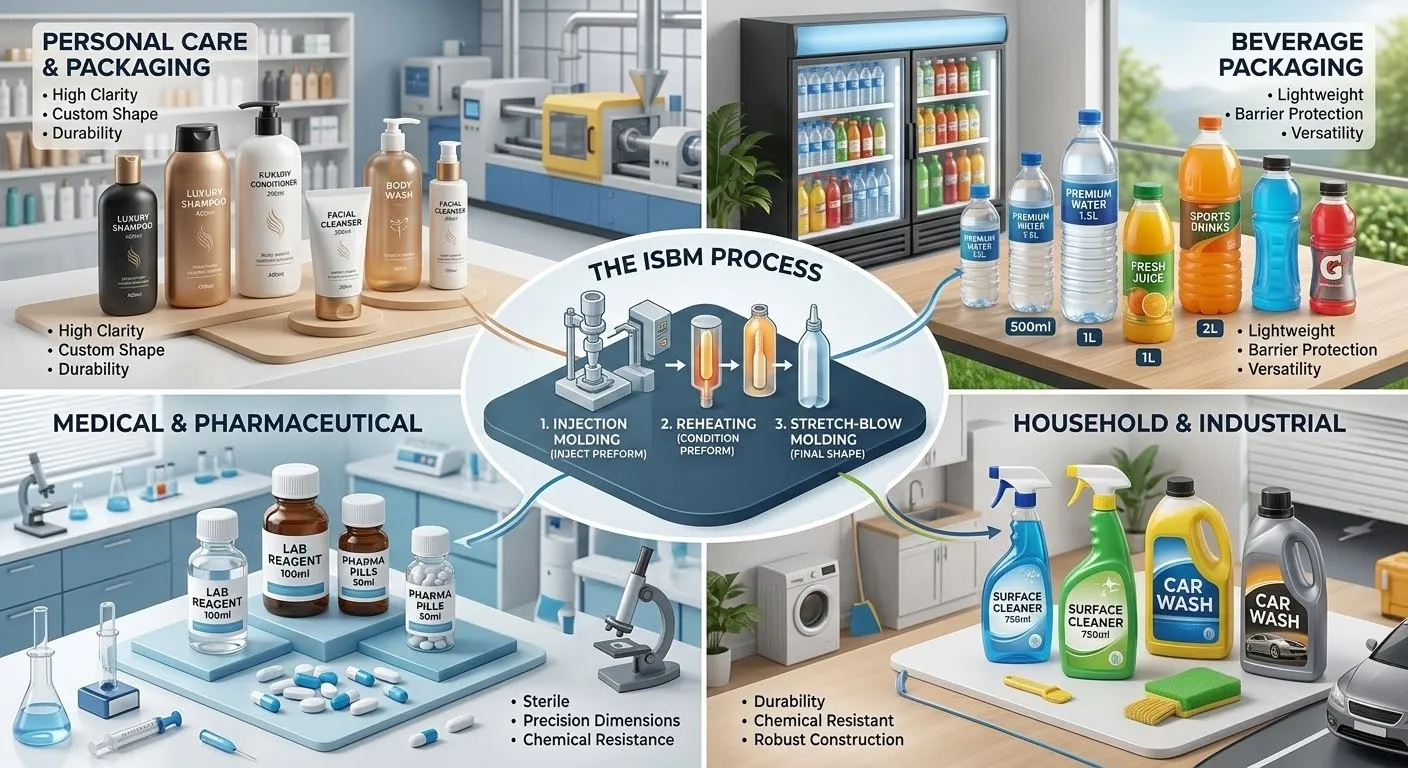
Diverse Applications of ISBM Plastic Bottles

Furthermore, the wall thickness of the preform is rarely uniform. Engineers profile the preform walls, making certain sections thicker or thinner. For instance, the area of the preform destined to become the wide base of a bottle must be thicker than the area destined to become the narrow shoulder. Controlling heat distribution across these varying thicknesses is a hallmark of an expert Brazilian ISBM manufacturer like Ever-Power. By utilizing advanced infrared heating ovens with individually controllable horizontal heat zones, we can apply specific thermal energy to distinct bands of the preform, ensuring perfect material distribution during the blow phase.

Major Industries Benefiting from ISBM Technology

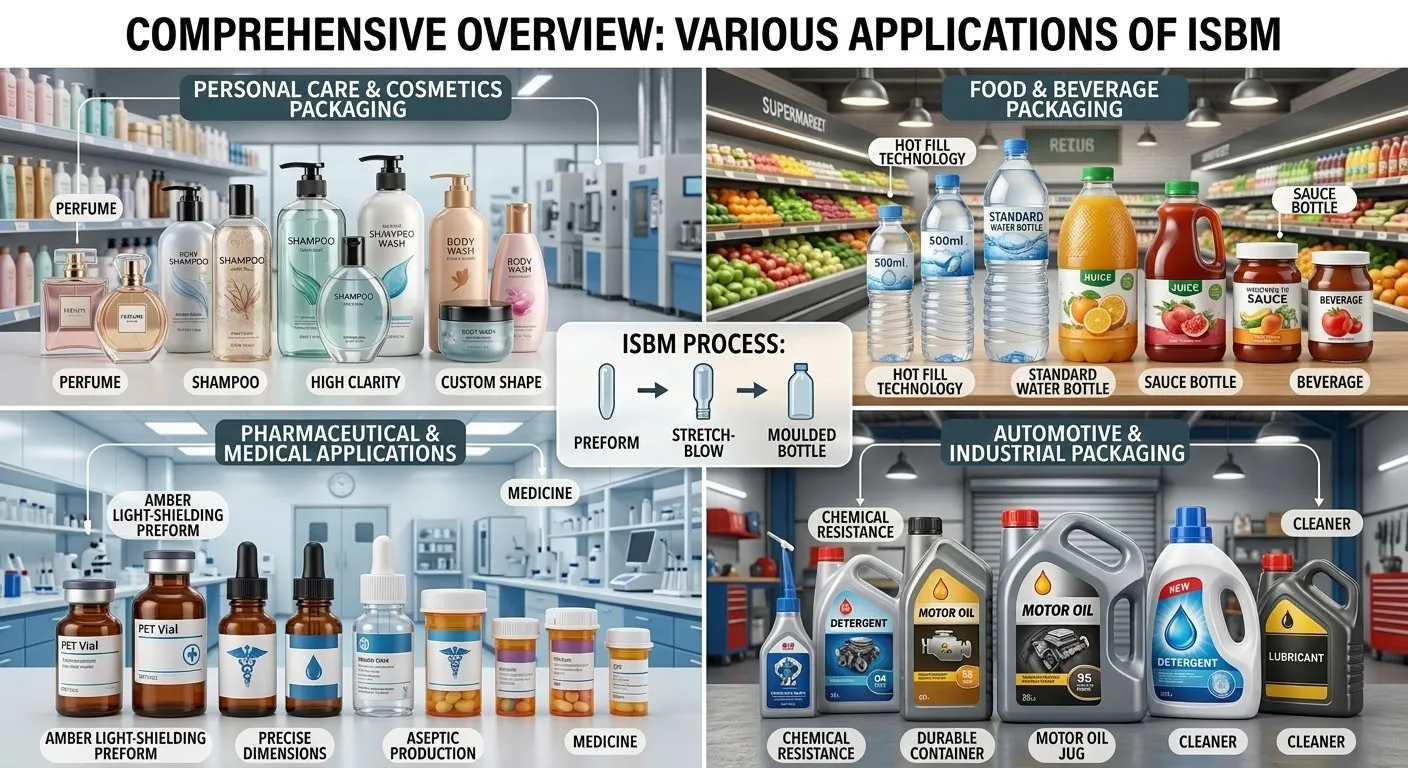
The versatility and superior physical properties generated by the ISBM manufacturing process make it the technology of choice across a vast array of global industries. Let us examine how different sectors leverage these advantages.

The Beverage Industry

This is arguably the largest consumer of ISBM technology. Carbonated soft drinks (CSD) require packaging that can withstand intense internal pressure without ballooning out of shape, while simultaneously preventing the escape of carbon dioxide gas to keep the beverage fizzy. Biaxially oriented PET is uniquely suited for this task. Additionally, the bottled water industry relies heavily on this process to produce incredibly lightweight containers, drastically reducing transportation costs and environmental impact while maintaining enough top-load strength to be stacked on warehouse pallets.

Cosmetics and Personal Care

In the beauty industry, perception is reality. Packaging must exude luxury, cleanliness, and premium quality. Single-stage ISBM is particularly dominant here. The ability to produce heavy-walled jars that mimic the look and feel of thick glass, but without the fragility and weight, is a massive advantage. Shampoos, lotions, premium serums, and liquid soaps utilize PET and PP materials molded into highly intricate, custom, and ergonomic shapes to stand out on crowded retail shelves. The flawless surface finish achievable with a 1-step process ensures labels adhere perfectly and the product shines.

High Quality Products Manufactured via ISBM

Pharmaceutical and Medical Sectors

The pharmaceutical industry demands absolute precision, cleanliness, and material safety. The injection-molded neck finish of ISBM containers guarantees a perfect, hermetic seal with child-resistant closures, ensuring medication remains uncontaminated and safe from moisture ingress. Cough syrups, vitamin gummies, pill packers, and eye drop dispensers are overwhelmingly produced using this method. The clarity of PET allows consumers and pharmacists to easily inspect the contents for degradation or foreign particles.

Household Products and Chemicals

Cleaning solutions, dish detergents, and agricultural chemicals require robust packaging that can resist aggressive ingredients. By selecting the right polymer blend and utilizing precise wall thickness control during the stretch blow process, manufacturers can create durable bottles with integrated handles and complex pouring spouts. The high impact resistance generated by biaxial orientation prevents catastrophic spills if the product is dropped during household use.

Mastering Production: Comprehensive Troubleshooting and Optimization

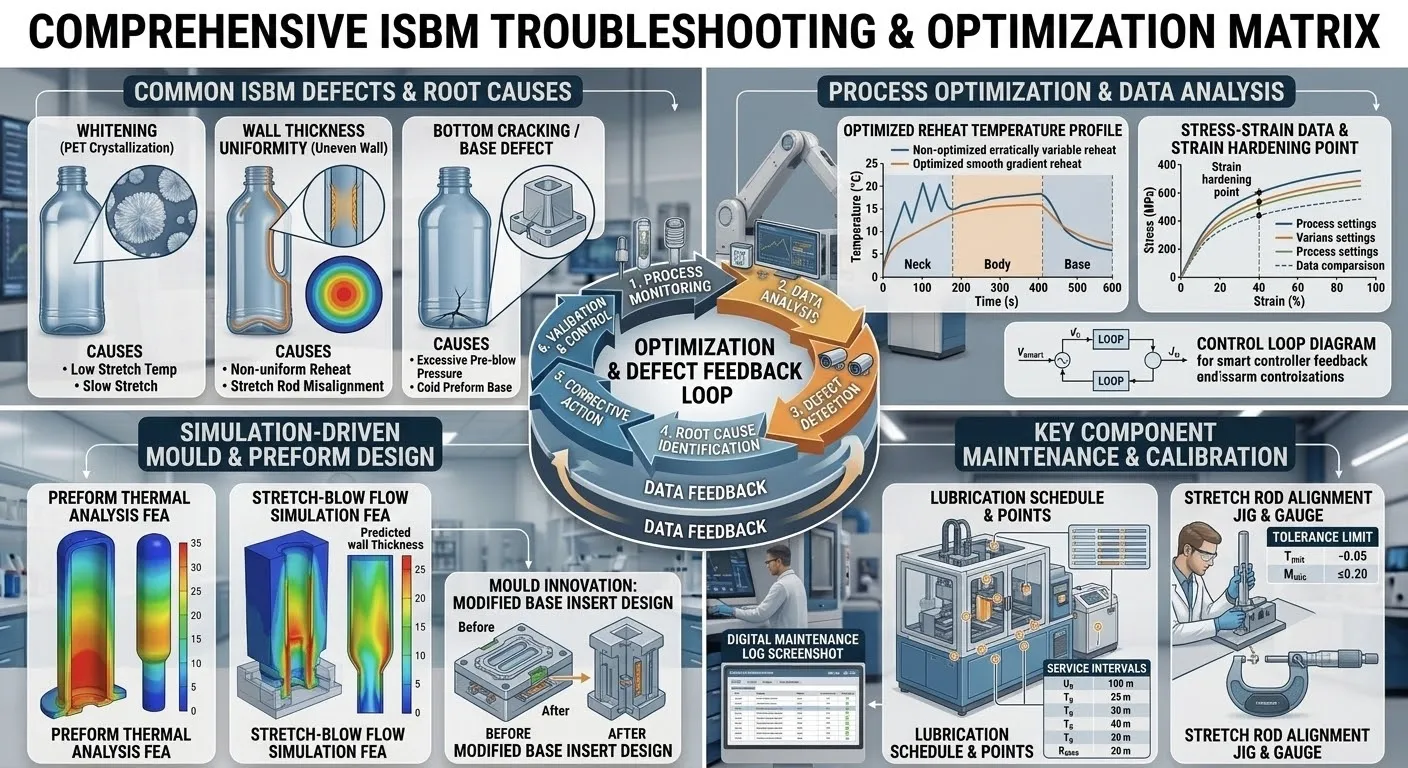
Operating an ISBM plant requires a deep understanding of thermodynamics, mechanical engineering, and polymer behavior. Even minor deviations in ambient factory temperature, resin moisture content, or cooling water flow can result in defective products. As a premier Brazilian ISBM manufacturer, Ever-Power prides itself on robust quality control and rapid troubleshooting protocols. Let us dive deep into common defects and the expert strategies required to resolve them.

ISBM Troubleshooting and Optimization Matrix

Defect Analysis 1: Pearlescence (Stress Whitening)

Pearlescence is an unmistakable milky, white, opalescent haze that appears on the body or base of the bottle. It signifies that the polymer chains have been stretched past their natural elastic limit, causing microscopic voids and tearing within the material matrix. This severely compromises the physical strength of the container.

Root Cause: The preform is too cold when it enters the blow mold. Because the plastic is stiff, it resists stretching, leading to localized over-stretching and tearing. This can be caused by an oven heating profile set too low, inadequate soaking time allowing the outer skin to heat but leaving the core cold, or excessive delay between the oven and the blow mold.

Expert Solution: The immediate corrective action is to increase the thermal energy applied to the preform. This is done by increasing the power to the specific infrared lamps corresponding to the pearlescent zone. It is crucial to ensure the core temperature of the preform wall is sufficiently high by optimizing the cooling fan speed in the oven to prevent surface burning while allowing heat to penetrate.

Defect Analysis 2: Thermal Haze (Crystallization)

Unlike pearlescence, which is caused by mechanical stress, thermal haze appears as a cloudy, opaque fog, usually near the neck or the gate area (the injection point at the base). This indicates that the amorphous structure of the PET has begun to form large spherical crystals due to excessive heat exposure.

Root Cause: The plastic is simply too hot. This can occur during the injection phase if the barrel temperatures are too high or cooling time in the injection mold is too short. In the reheat stage, it occurs when oven lamps are set too high or ventilation is insufficient, causing the polymer temperature to approach its crystallization point.

Expert Solution: Decrease the overall heat profile. If the haze is localized, reduce the power to the specific lamp heating that zone. Check the cooling water temperature and flow rate in both the injection mold and the blow mold. Ensure proper ventilation within the conditioning oven to remove stagnant hot air.

Defect Analysis 3: Off-Center Gates and Uneven Wall Distribution

If you look at the bottom of a plastic bottle, you will see a small nub or dimple; this is the gate. Ideally, this gate should be perfectly centered in the base of the bottle. An off-center gate indicates asymmetrical material distribution, resulting in one side of the bottle being dangerously thin while the other is unnecessarily thick. This leads to poor top-load strength and an increased risk of bursting.

Root Cause: Several factors can cause this. A bent or misaligned stretch rod will push the preform off-center. Uneven heating around the circumference of the preform (often caused by a preform not rotating smoothly as it passes through the oven) causes one side to stretch easier than the other. Alternatively, the pre-blow pressure might be too high or initiated too early, causing the material to balloon unevenly before the stretch rod can secure it against the base mold.

Expert Solution: First, physically inspect the mechanical alignment of the stretch rods and ensure they are perfectly plumb. Verify that the preform rotation mechanisms in the heating oven are functioning flawlessly. If mechanical issues are ruled out, significantly reduce the pre-blow pressure or delay its onset to allow the stretch rod to control the initial descent of the material before expansion begins.

Defect Analysis 4: Drop Impact Failure

A primary function of any container is to protect its contents. If a filled bottle shatters upon being dropped from a standard height, the packaging has failed catastrophically.

Root Cause: Drop failure usually points to a compromised base structure. This can be caused by excessive inherent stress frozen into the base due to a cold mold, high levels of crystallinity reducing flexibility, or an incorrect preform design that does not provide enough material to the complex geometry of a petaloid base (common in carbonated beverage bottles).

Expert Solution: Optimize the base heating profile to ensure sufficient material flows into the “feet” of the base design. Increase the mold temperature slightly to reduce internal stress during the freezing phase. Analyze the intrinsic viscosity of the raw resin; a significantly degraded polymer chain length will always result in a brittle final product.

Quality Assurance: The Metrics of Perfection

Producing a bottle is only half the battle; proving its quality is the other. Rigorous testing protocols are embedded into every reputable ISBM manufacturing process. Ever-Power operates state-of-the-art laboratory facilities to guarantee every production run meets international safety and performance standards.

Test Name Purpose and Methodology Industry Importance
Top Load Testing An empty or filled bottle is placed in a mechanical press that slowly applies downward force until the bottle buckles or collapses. The maximum force sustained is recorded. Crucial for warehousing and logistics. Bottles must withstand the weight of pallets stacked on top of them without crushing.
Burst Pressure Testing Water is pumped into a sealed bottle at an exponentially increasing pressure until the bottle violently bursts. The failure pressure and expansion volume are measured. Absolutely vital for carbonated beverages and aerosols. Ensures the container will not explode under normal or elevated temperature conditions.
Sectional Weight Analysis A bottle is precisely cut into specific sections (neck, shoulder, body, base) using a hot wire cutter. Each section is weighed on highly calibrated analytical balances. Verifies that material distribution matches the engineering specifications. Prevents weak spots and optimizes raw material usage.
Perpendicularity Testing The bottle is rotated on a flat surface while a gauge measures the variation in the vertical axis of the neck finish. Ensures the bottle stands straight. A leaning bottle will cause massive jams in high-speed automated filling and capping lines.

Sustainability, rPET, and the Environmental Future of ISBM

The conversation surrounding plastics and the environment is paramount. As a forward-thinking Brazilian ISBM manufacturer, Ever-Power is deeply committed to sustainable practices. The injection stretch blow molding industry is continuously innovating to reduce its carbon footprint and promote a circular economy.

One of the most significant advancements is the integration of Recycled Polyethylene Terephthalate, commonly known as rPET. Modern ISBM machinery is increasingly capable of processing up to one hundred percent post-consumer recycled resin. Utilizing rPET presents unique processing challenges; recycled flake often has a wider range of intrinsic viscosity and may contain minute color variations. However, through advanced preform design, sophisticated melt filtration in the injection phase, and adaptive heating controls in the blow phase, high-quality, perfectly clear bottles can be produced entirely from recycled materials. This drastically reduces the reliance on virgin fossil fuels and diverts thousands of tons of plastic away from landfills and oceans.

Furthermore, the continuous drive for “lightweighting” highlights the sheer engineering power of the ISBM manufacturing process. Over the past two decades, the weight of a standard half-liter water bottle has been reduced by more than fifty percent. By optimizing stretch ratios, redesigning the neck finishes to be shorter (such as the shift to the PCO 1881 standard), and strengthening the base geometry, engineers can provide the exact same volume and structural integrity using a fraction of the raw plastic. Lightweighting not only saves massive amounts of polymer resin but also significantly cuts down on the greenhouse gas emissions associated with transporting the finished goods across supply chains.

Energy efficiency at the machinery level is also rapidly improving. Older hydraulic systems are being replaced by fully electric, servo-driven machines. These modern machines only consume energy when a movement is actually occurring, unlike hydraulic pumps that run continuously. Highly reflective ceramic oven linings and advanced infrared lamp technologies ensure that maximum thermal energy is transferred into the preform rather than wasted into the ambient factory air.

Why Choose Ever-Power as Your Premier Brazilian ISBM Manufacturer

Navigating the complexities of plastic manufacturing requires a partner with deep technical expertise, robust infrastructure, and an unwavering commitment to quality. Ever-Power stands as a beacon of excellence in the South American manufacturing landscape.

Operating out of Brazil, we leverage our strategic geographic location to provide agile, responsive, and highly competitive Ever-Power ISBM solutions to domestic and international clients. Our facilities are equipped with the latest generation of both single-stage and two-stage machinery, allowing us to cater to highly customized, low-volume boutique projects as effortlessly as we handle massive, continuous commodity runs.


  • Unmatched Engineering Support: We do not just run machines; we engineer solutions. From initial CAD concept and 3D printing prototypes to preform optimization and mass production, our team guides you through every step.

  • Stringent Quality Control: Adhering to the highest global standards, our in-house laboratories execute rigorous drop tests, burst tests, and dimensional analysis to ensure flawless execution of your packaging requirements.

  • Commitment to Sustainability: We actively assist clients in transitioning to rPET solutions and engage in aggressive lightweighting engineering to help brands achieve their environmental milestones without sacrificing performance.

  • Local Expertise, Global Standards: As a proud Brazilian ISBM manufacturer, we understand the nuances of the regional market, supply chains, and regulatory environments, while operating machinery and systems that rival the top facilities worldwide.

Conclusion: Shaping the Future Together

The Injection Stretch Blow Molding process is a marvel of modern industrial engineering. By seamlessly marrying polymer chemistry with ultra-precise mechanical execution, it provides the world with packaging that is safe, incredibly strong, brilliantly clear, and increasingly sustainable. From understanding the difference between 1-step vs 2-step ISBM to navigating complex defect troubleshooting, mastering this technology is critical for product success.

Whether you are launching a groundbreaking new beverage, a luxurious cosmetic line, or essential pharmaceutical products, the packaging is the very first physical touchpoint your customer experiences. It must be perfect. Here at Ever-Power, we have the experience, the authority, and the technological capability to bring your vision into a stunning, tangible reality.

Would you like me to connect you with one of our lead engineers to discuss how Ever-Power can optimize your next packaging project?

标签: