How much does a blow molding machine cost?
Blow moulding machine prices vary significantly depending on the process type (EBM, IBM, or ISBM), station count, injection clamping force, drive system, and country of manufacture. For buyers specifically looking to produce finished PET or PP bottles — water, pharmaceutical, cosmetic, edible oil, or industrial containers — the relevant machine category is one-step ISBM, and pricing in this segment follows a clear set of cost drivers.
Price Ranges by Machine Type
| Makine Tipi | Tipik Uygulama | Indicative Price (USD) |
|---|---|---|
| EBM small format | HDPE household containers | USD 20,000–80,000 |
| IBM (pharma vials) | Dropper bottles, cosmetics <250 ml | USD 30,000–120,000 |
| ISBM 3-station compact | Pharma, cosmetics 30–500 ml | USD 50,000–120,000 |
| ISBM 4-station mid-range | Water, food, pharma 100 ml–5 L | USD 80,000–250,000 |
| ISBM 4-station large format | Industrial, agrochem 2–10 L | USD 150,000–350,000+ |
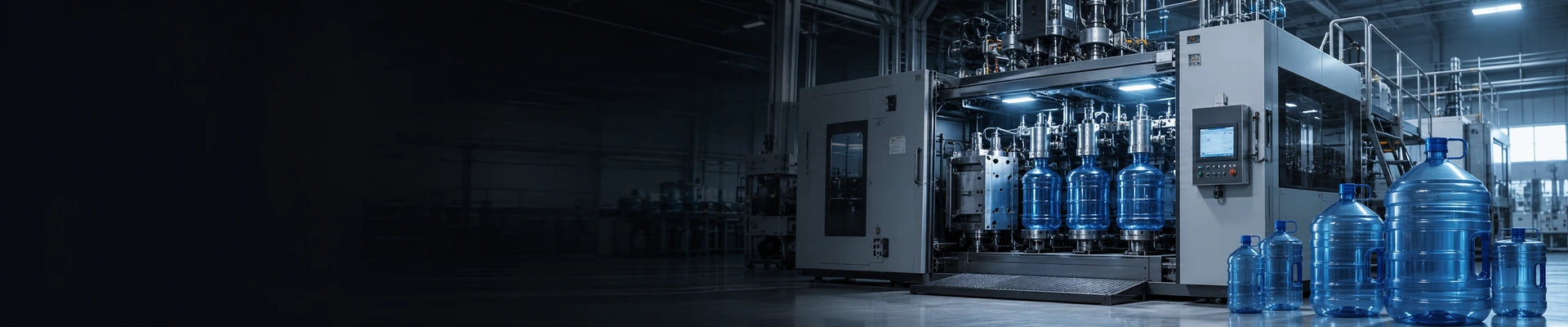
EP-HGY650-V4 — 400 kN injection clamp ISBM machine for containers from 2 to 10 litres in PET and PP.
What Drives ISBM Machine Price
Enjeksiyon sıkıştırma kuvveti is the primary price driver. A 50 kN compact machine costs significantly less than a 400 kN large-format machine because the injection unit, clamping mechanism, and rotary table are all smaller.
Drive system has the second-largest impact. Full-servo (all-electric) machines carry a 20–40% premium over servo-hydraulic equivalents. This premium is typically recovered within 3–5 years through energy savings of 30–45%.
Station count adds 15–25% from 3-station to 4-station at the same clamping force due to the additional conditioning station, infrared heaters, and control hardware.
Country of manufacture affects price significantly. Chinese ISBM machines at equivalent technical specification are typically priced 30–50% below European equivalents.
Total Investment Beyond the Machine Price
- Mould set — USD 12,000–100,000 depending on cavity count and complexity
- High-pressure compressor — blow air at 25–40 bar; typically USD 8,000–25,000
- Soğutucu — blow mould cooling at 8–12 °C; typically USD 5,000–15,000
- Desiccant dryer — required for PET processing; typically USD 4,000–12,000
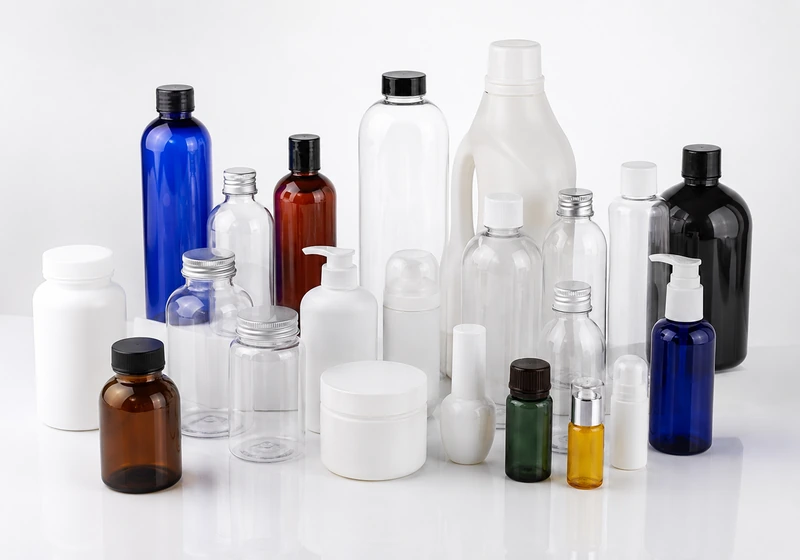
Output from an ISBM investment — finished PET and PP containers from 30 ml pharmaceutical vials to 10-litre industrial containers.
Get a price for the right ISBM machine for your container
Send Ever-Power your bottle specification, target output, and resin type and we will recommend the right EP-HGY or EP-BPET model with indicative pricing within 24 hours.
Göz atın full EP-HGY and EP-BPET machine rangeveya keşfedin özel kalıp seçenekleri to understand the complete investment required.
Sıkça Sorulan Sorular
Is a servo-hydraulic ISBM machine worth the premium?
In most cases yes. A servo-hydraulic ISBM machine typically costs 15–25% more than a fixed-hydraulic equivalent but consumes 30–45% less energy. At typical electricity costs and production volumes, the energy saving pays back the price premium within 2–4 years. Ever-Power’s EP-HGY150-V4, EP-HGY200-V4, and EP-HGY250-V4 all use servo-hydraulic drive as standard.
What is typically included in an ISBM machine purchase price?
Standard EP-HGY and EP-BPET pricing includes the machine with its standard configuration, factory acceptance testing, and on-site commissioning support. Moulds, high-pressure compressor, chiller, and desiccant dryer are priced separately. Operator training is included in the commissioning scope.
ISBM makinesi yatırımının geri ödeme süresi ne kadardır?
For a manufacturer replacing purchased containers with in-house production, payback is typically 18–36 months at commercial volumes. For replacing an ageing machine, the combined energy saving and maintenance cost avoidance from a modern servo machine typically produces payback of 2–4 years on the replacement investment.
Comparing Machine Prices Fairly Across Suppliers
ISBM machine price comparisons across suppliers are only meaningful when they compare like-for-like configurations. The key variables to equalise before comparing prices are: station count (3-station vs 4-station); injection clamping force; drive system (fixed hydraulic vs servo-hydraulic vs full servo); cavity count in the matched mould; and whether commissioning and training are included. The most common procurement mistake is selecting the lowest-priced machine at nominal specification without accounting for these variables. A machine 20% cheaper that uses a fixed-hydraulic drive will typically cost more over 5 years than a servo-hydraulic machine 20% more expensive, because the servo’s energy saving more than offsets the price premium.
Installation Site Requirements
Before purchasing an ISBM machine, confirm that your facility can accommodate its utility and space requirements. Key site requirements: floor space (ISBM machines range from approximately 8 m² footprint for compact 3-station models to 20 m² for large 4-station machines, plus access clearance on all sides); electrical power (three-phase supply at local voltage, typically 380–415 V, rated for the machine’s peak current draw); compressed air (6–8 bar for machine pneumatics and 25–40 bar for blow air — these require separate circuits); chilled water supply and return for mould cooling; and drainage for condensate from the chiller and dryer. Ever-Power provides a foundation drawing and utility connection diagram for each machine model during the pre-order stage to allow site preparation before the machine arrives.
Payback Period Calculation: A Worked Example
For a manufacturer replacing purchased containers (USD 0.28 per bottle) with in-house ISBM production (USD 0.10 per bottle including all costs), producing 150,000 bottles per month: monthly saving = 150,000 × (0.28 − 0.10) = USD 27,000. Annual saving = USD 324,000. Total investment (machine USD 120,000 + mould USD 30,000 + ancillaries USD 35,000 + installation USD 15,000) = USD 200,000. Payback period = USD 200,000 / USD 324,000 = approximately 7.5 months. This is an attractive payback by any capital equipment standard, which explains why the decision to bring ISBM production in-house is financially straightforward for manufacturers at commercial container volumes. Actual figures will vary by application, but the framework is the same: compare purchased vs in-house cost per unit, multiply by volume, and divide total investment by annual saving.
Why Blow Moulding Machines Are More Complex Than They Appear
At first glance, blow moulding appears to be a simple process: heat some plastic, blow some air, eject the bottle. The apparent simplicity is deceptive. A one-step ISBM machine must simultaneously: control barrel temperature across 5–8 zones to ±2 °C; manage injection pressure, speed, and pack profile in microsecond intervals; control infrared heater zones at the conditioning station to ±3 °C on the preform surface; synchronise stretch rod descent timing, speed, and position with pre-blow air onset; manage blow pressure ramp, hold time, and exhaust sequence; and control mould cooling water temperature to ±1 °C — all within a cycle of 5–15 seconds, repeated millions of times over the machine’s operating life. The precision and reliability required to maintain all of these parameters simultaneously is what justifies the machine’s capital cost and what distinguishes well-engineered ISBM machines from their less capable competitors.
The Value of a Factory Visit Before Purchase
For any ISBM machine purchase above approximately USD 50,000, a pre-purchase factory visit to the machine manufacturer is strongly recommended. During a factory visit, buyers can: inspect the manufacturing quality of the machines in production; request a live demonstration of the specific machine model they intend to purchase, running their bottle specification or a similar one if possible; meet the engineering and after-sales teams who will support the machine after installation; verify that the factory is well-organised, maintains adequate quality systems (look for ISO certification documentation and calibration records), and stocks the spare parts that will be needed in production; and negotiate any customisation or documentation requirements directly with the people who will execute them. A factory visit typically adds travel cost of USD 2,000–8,000 for an international purchase, but this cost is trivial compared to the risk mitigation value it provides on a USD 100,000–300,000 machine investment.
Tedarikçi Değerlendirme Sürecine Nasıl Başlanır?
ISBM ekipman tedarikine yeni başlayan alıcılar için, makine ve kalıp tedarikçisi seçme süreci göz korkutucu görünebilir. Pratik başlangıç noktası, tedarikçi kısa listesi değil, net bir kap spesifikasyonudur: Herhangi bir tedarikçiye başvurmadan önce şişe hacmini, boyun bitişini, reçineyi, hedef ağırlığı, gerekli çıktıyı ve uygulamaya özgü gereksinimleri (farmasötik GMP, sıcak dolum, temiz oda uyumluluğu) tanımlayın. Elinizde eksiksiz bir kap spesifikasyonu ile, birden fazla tedarikçiden anlamlı ve karşılaştırılabilir fiyat teklifleri alabilirsiniz, çünkü her teklif aynı teknik girdilere dayanacaktır.
Ever-Power'ın satış öncesi süreci, müşterinin konteyner spesifikasyonunun teknik incelemesiyle başlar. Uygulama mühendisliği ekibimiz, spesifikasyonu makine yelpazemizle karşılaştırır, uygun modeli (istasyon sayısı, sıkıştırma kuvveti, tahrik sistemi) önerir ve ön bir kalıp fizibilite değerlendirmesi sunar; bunların hepsi ücretsizdir ve genellikle spesifikasyonun alınmasından sonraki 24-48 saat içinde gerçekleştirilir. Bu ön değerlendirme, alıcıların ayrıntılı bir fiyat teklifi sürecine girmeden önce olası makine ve kalıp konfigürasyonunu ve ilgili yatırımı anlamalarını sağlar.
Ever-Power'ın Tüm ISBM Ürün Yelpazesi
Ever-Power'ın eksiksiz tek aşamalı ISBM makine serisi, ilaç, kozmetik, gıda, içecek ve endüstriyel konteyner üretimindeki tüm önemli uygulamaları kapsar:
| Model | İstasyonlar | Sıkıştırma (kN) | Konteyner Yelpazesi | Sürmek |
|---|---|---|---|---|
| EP-HGY50-V3-EV | 3 | 50 | 30–500 ml | Tam servo |
| EP-HGY150-V4 | 4 | 150 | 100 ml–2 L | Servo-hidrolik |
| EP-HGY150-V4-EV | 4 | 150 | 100 ml–2 L | Tam servo |
| EP-HGY200-V4 | 4 | 200 | 200 ml–3 L | Servo-hidrolik |
| EP-HGY200-V4-B | 4 | 200 | 200 ml–3 L (kulp) | Servo-hidrolik |
| EP-HGY250-V4 | 4 | 250 | 500 ml–5 L | Servo-hidrolik |
| EP-HGYS280-V6 | 6 | 280 | Karmaşık şekiller | Servo-hidrolik |
| EP-HGY650-V4 | 4 | 400 | 2–10 L | Servo-hidrolik |
| EP-BPET-70V4 | 4 | 200 | 500 ml–3 L (PET) | Servo-hidrolik |
| EP-BPET-94V3 | 3 | 250 | 1–5 L (PET) | Servo-hidrolik |
| EP-BPET-125V4 | 4 | 400 | 5–10 L (PET) | Servo-hidrolik |
Her modelin tüm teknik özelliklerine ulaşmak için lütfen şu adresi ziyaret edin: EP-HGY ve EP-BPET ürün sayfalarıUygulamaya özel rehberlik için lütfen ekibimizle iletişime geçin. isbmmolding.com/contact-us Veya [email protected] adresine e-posta gönderin. Tüm teknik sorulara 24 saat içinde yanıt veriyoruz.
Ever-Power EP-HGY and EP-BPET: Full Machine Range and Pricing Context
Ever-Power’s one-step ISBM machine range is structured to cover the full spectrum of pharmaceutical, cosmetic, food, beverage, and industrial container applications. Each model is defined by its injection clamping force and station count, which together determine the container volumes, cavity counts, and cycle speeds it can achieve:
| Model | Clamp | Sürmek | Şişe Serisi |
|---|---|---|---|
| EP-HGY50-V3-EV | 50 kN | Tam servo | 30–500 ml pharma & cosmetic |
| EP-HGY150-V4-EV | 150 kN | Tam servo | 100 ml–2 L water & pharma |
| EP-HGY200-V4 | 200 kN | Servo-hidrolik | 200 ml–3 L beverage & food |
| EP-HGY250-V4 | 250 kN | Servo-hidrolik | 500 ml–5 L edible oil & food |
| EP-HGYS280-V6 | 280 kN | Servo-hidrolik | 6 istasyonlu, karmaşık şekiller |
| EP-HGY650-V4 | 400 kN | Servo-hidrolik | 2–10 L industrial & agrochem |
Making the Investment Decision: Machine vs Contract Production
Before committing to an ISBM machine purchase, the correct financial comparison is between the total cost of in-house production — machine amortisation, mould depreciation, energy, labour, consumables — and the cost of purchasing containers from a contract blow moulder or packaging supplier. In most pharmaceutical, cosmetic, and food packaging markets, purchased container prices include the supplier’s machine amortisation, mould depreciation, overhead, and margin, which typically makes in-house production economically superior at production volumes above 500,000–1,000,000 units per year per container format.
The key inputs to the make-vs-buy calculation are: the purchased container price per unit; the cost of resin per kilogram and the container weight; the machine amortisation cost per unit (machine price divided by expected production over the machine’s life); the mould depreciation per unit; energy cost per 1,000 bottles; and labour cost per shift. Ever-Power’s sales team can prepare this analysis for your specific bottle and production volume as part of the quotation process.
Financing and Payment Terms for ISBM Machine Purchases
ISBM machine purchases in the USD 80,000–350,000 range are typically structured with a deposit payment (30–40% of machine price) at order placement, a second payment at factory acceptance test (30–40%), and a final payment before shipment or at commissioning completion. This payment structure aligns the supplier’s cash flow with production milestones and gives the buyer leverage to withhold final payment until the machine is demonstrated to perform to specification at the buyer’s site. Some established suppliers, including Ever-Power, can provide documentation for export financing or letters of credit for buyers using trade finance arrangements. For buyers in emerging markets, confirming the availability and cost of trade finance instruments before finalising machine specification and pricing is worthwhile, as financing terms can materially affect the total cost of the investment. Contact Ever-Power’s sales team for current payment and financing options applicable to your country and transaction size.