
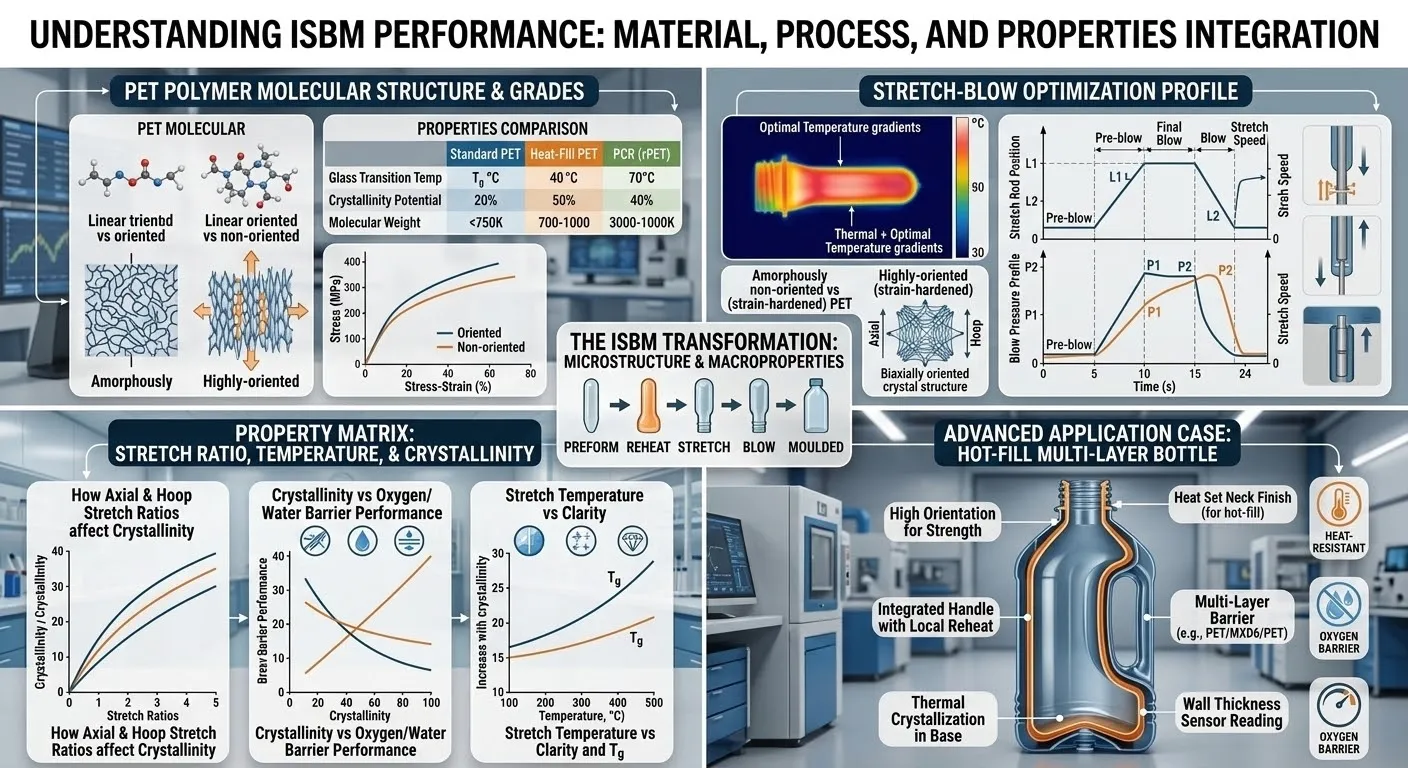
நவீன உலகளாவிய உற்பத்தியின் மிகவும் போட்டி நிறைந்த கட்டமைப்பில், இலாபகரமான ஒரு உற்பத்தி ஆலையை நிறுவுவதில் மூலதனச் செலவினங்களைக் கணக்கிடுவது ஒரு ஆரம்பகட்ட நடவடிக்கை மட்டுமே. பெருநிறுவன கொள்முதல் இயக்குநர்கள், ஆலை மேலாளர்கள் மற்றும் பேக்கேஜிங் பொறியாளர்களுக்கு, இலாபத்திற்கான உண்மையான போர்க்களம் செயல்பாட்டுச் செலவினங்களுக்குள் தான் உள்ளது. மீண்டும் மீண்டும் வரும் எண்ணற்ற செயல்பாட்டுச் செலவுகளில், மின்சார ஆற்றல் நுகர்வு மிகவும் வலிமையான மற்றும் நிலையற்ற காரணியாக விளங்குகிறது. பெருநிறுவன வாடிக்கையாளர்கள் பொறியியல் துறைகளுடன் இணைந்து செயல்படும்போது... எவர்-பவர்நன்கு நிலைபெற்ற ஒரு பிரேசிலிய ISBM உற்பத்தியாளரான இந்நிறுவனத்தைப் பொறுத்தவரை, நிதி சார்ந்த உரையாடல் தவிர்க்க முடியாமல் ஒரு மிக முக்கியமான கேள்வியை நோக்கியே செல்கிறது: ஒரு ISBM இயந்திரத்தின் மின் நுகர்வு என்ன?
இந்தக் கேள்விக்குப் பதிலளிக்க ஒரு பொதுவான, நிலையான எண்ணை வழங்குவது பொறியியல் ரீதியாக சாத்தியமற்றது. ஒரு இன்ஜெக்ஷன் ஸ்ட்ரெட்ச் ப்ளோ மோல்டிங் சூழலமைப்பின் மின்சாரத் தடம் என்பது மிகவும் சிக்கலான ஒரு வெப்ப இயக்கவியல் சமன்பாடாகும். இது இயந்திரத்தின் அடிப்படைக் கட்டமைப்பு, பயன்படுத்தப்படும் குறிப்பிட்ட இயக்கத் தொழில்நுட்பம், உட்செலுத்தும் பீப்பாயின் கொள்ளளவு, அச்சின் சிக்கலான தன்மை, மற்றும் இறுதிக் கலனை உருவாக்கத் தேவைப்படும் உயர் அழுத்த சுருக்கப்பட்ட காற்றின் பெரும் அளவு ஆகியவற்றால் தீர்மானிக்கப்படுகிறது. இந்த முழுமையான, மிகவும் அதிகாரப்பூர்வமான தொழில்நுட்ப ஆய்வறிக்கையில், ISBM தொழில்நுட்பத்தின் கிலோவாட் மணி நுகர்வை நாம் பகுப்பாய்வு செய்வோம். ஒவ்வொரு தனித்துவமான உற்பத்தி கட்டத்தின் ஆற்றல் தேவைகளையும் நாம் பகுப்பாய்வு செய்வோம், செர்வோ எலக்ட்ரிக் அமைப்புகளால் வழங்கப்படும் பெரும் செயல்திறன் ஆதாயங்களை அலசி ஆராய்வோம், மேலும் உங்கள் சந்தைத் துறையில் ஆதிக்கம் செலுத்தத் தேவையான துல்லியமான ஆற்றல் மேலதிகச் செலவைக் கணக்கிட உங்கள் கொள்முதல் குழுவிற்கு அதிகாரம் அளிப்போம்.
அளவீடுகளைத் தெளிவுபடுத்துதல்: நிறுவப்பட்ட திறன் மற்றும் உண்மையான நுகர்வு ஒப்பீடு
ஆற்றல் பயன்பாட்டின் நுணுக்கமான செயல்முறைகளுக்குள் செல்வதற்கு முன், பேக்கேஜிங் கொள்முதல் துறையில் பரவலாக உள்ள ஒரு தவறான கருத்தை சரிசெய்வது மிகவும் அவசியம். தொழில்துறை இயந்திரங்களுக்கான தொழில்நுட்ப விவரக்குறிப்புத் தாள்களை மதிப்பாய்வு செய்யும்போது, வாங்குபவர்கள் பொதுவாக கிலோவாட்களில் அளவிடப்படும் “நிறுவப்பட்ட திறன்” அல்லது “இணைக்கப்பட்ட சுமை” என்று பெயரிடப்பட்ட ஒரு அளவீட்டை அடிக்கடி எதிர்கொள்கின்றனர். இந்தத் தனிப்பட்ட எண்ணின் அடிப்படையில் உங்கள் மாதாந்திர பயன்பாட்டு மேல்செலவைக் கணக்கிடுவது ஒரு முக்கியமான தவறாகும்.
நிறுவப்பட்ட திறன் என்பது, ஒவ்வொரு மோட்டார், ஹீட்டர் பேண்ட் மற்றும் ஹைட்ராலிக் பம்ப் ஆகியவையும் ஒரே நேரத்தில் நூறு சதவிகிதத் திறனில் இயங்கினால், அந்த இயந்திரம் கோட்பாட்டளவில் இழுக்கக்கூடிய முழுமையான அதிகபட்ச மின்சுமையைக் குறிக்கிறது. இந்த நிலைமை உண்மையில் ஒருபோதும் ஏற்படுவதில்லை. இன்ஜெக்ஷன் ஸ்ட்ரெட்ச் ப்ளோ மோல்டிங் செயல்முறை மிகவும் தொடர்ச்சியானது. இன்ஜெக்ஷன் ஸ்க்ரூ சுழன்று பெரும் சக்தியைப் பயன்படுத்தும்போது, ஸ்ட்ரெட்ச் ராடுகளும் ப்ளோ வால்வுகளும் செயலற்று இருக்கலாம். வெப்பநிலையைப் பராமரிக்க ஹீட்டர் பேண்டுகள் துடித்துக் கொண்டிருக்கும்போது, கிளாம்பிங் மோட்டார்கள் நிலையாக இருக்கலாம். எனவே, "உண்மையான மின் நுகர்வு" என்பது ஒரு தொடர்ச்சியான செயல்பாட்டுச் சுழற்சியின் போது ஏற்படும் உண்மையான சராசரி மின் இழுப்பாகும். பொதுவாக, ஒரு மேம்பட்ட ISBM இயந்திரத்தின் உண்மையான மின் நுகர்வு, அதன் மொத்த நிறுவப்பட்ட திறனில் நாற்பது முதல் அறுபது சதவிகிதம் வரை இருக்கும்; இது குறிப்பிட்ட இயந்திரக் கட்டமைப்பு மற்றும் தனிப்பயனாக்கப்பட்ட அச்சின் சுழற்சி நேரத்தைப் பெரிதும் சார்ந்துள்ளது.
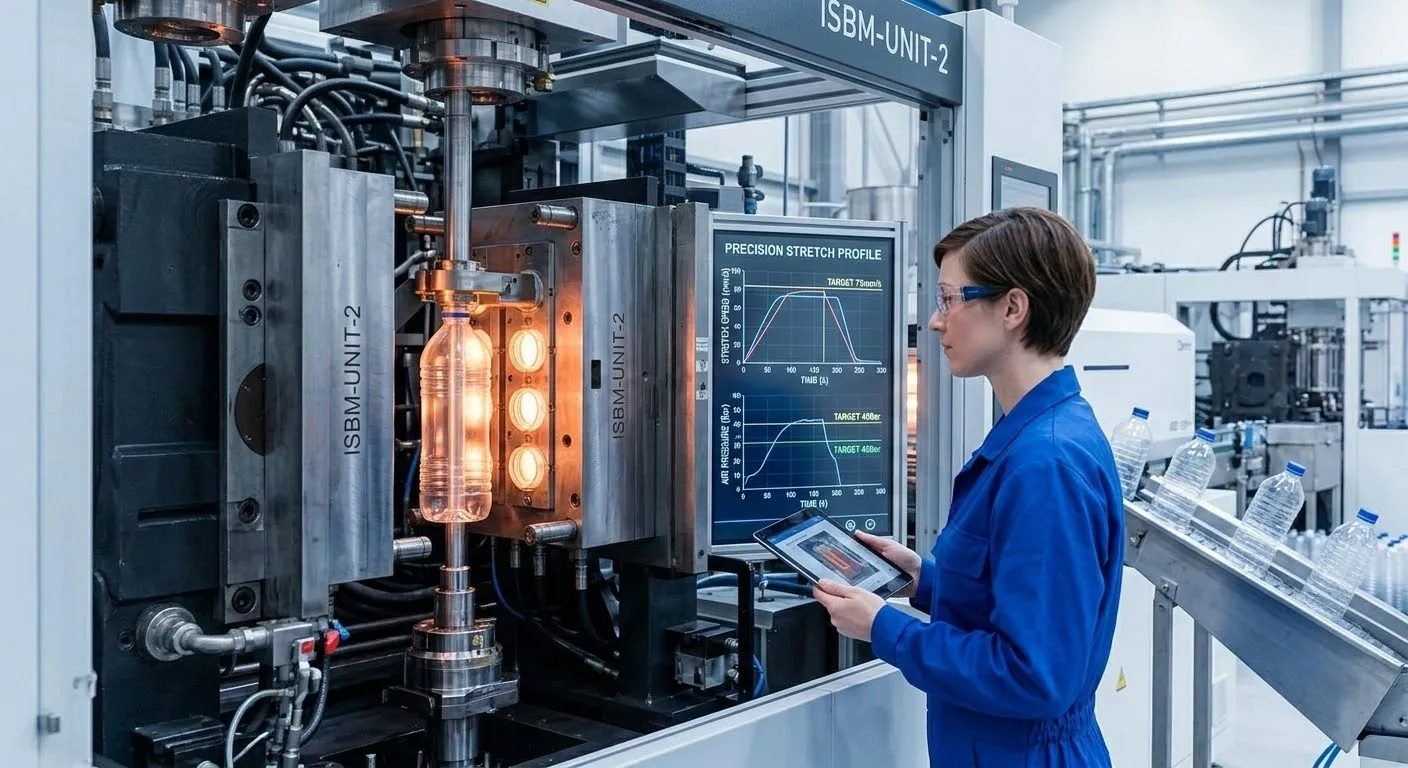
ஆற்றல் பயன்பாட்டைப் பகுப்பாய்வு செய்தல்: கட்டம் வாரியான பகுப்பாய்வு
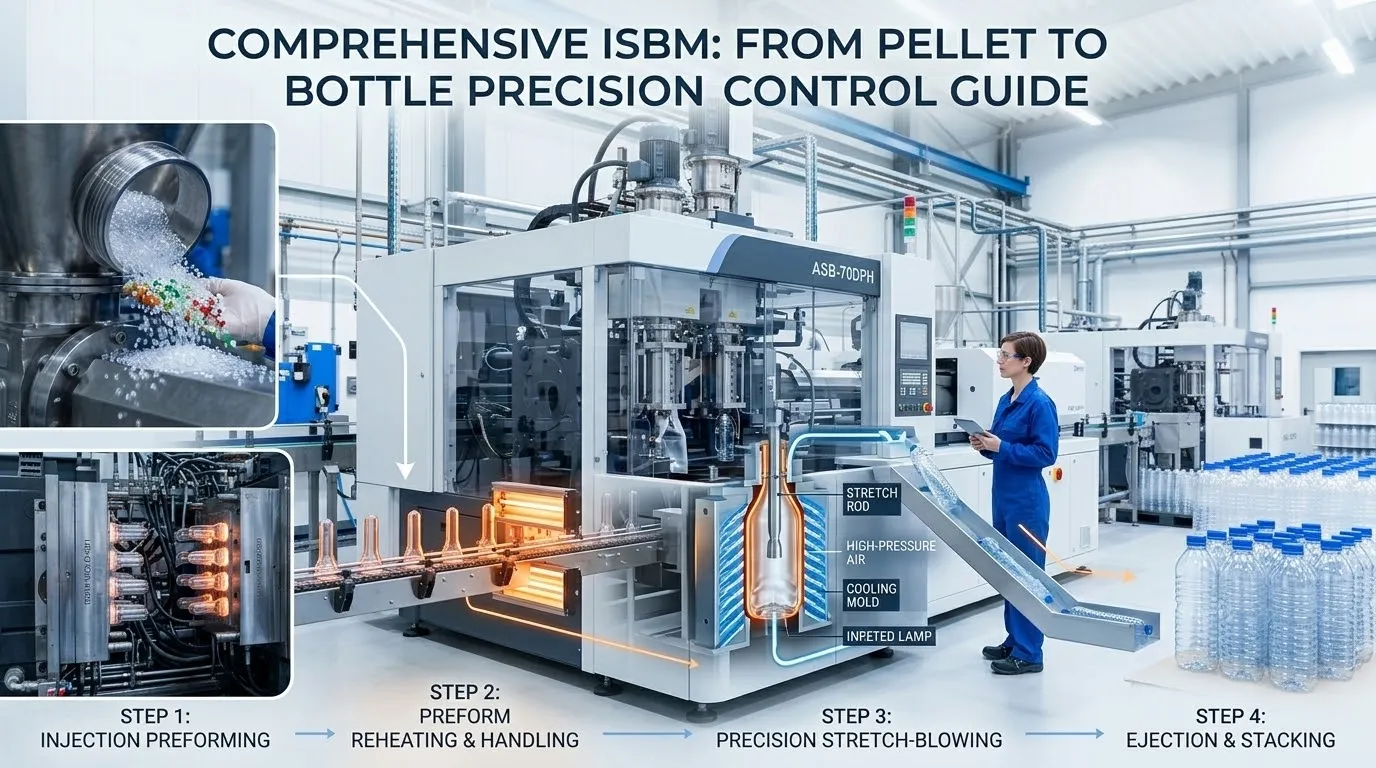
மின் ஆற்றல் எங்கு ஒதுக்கீடு செய்யப்படுகிறது என்பதை உண்மையாகப் புரிந்துகொள்ள, ஒற்றை நிலை ISBM செயல்முறையை அதன் முக்கிய செயல்பாட்டு நிலைகளாக நாம் பகுத்துப் பார்க்க வேண்டும். ஒவ்வொரு தனித்துவமான இயந்திரச் செயலுக்கும் வெப்ப மற்றும் இயக்க ஆற்றலின் வெவ்வேறு விகிதம் தேவைப்படுகிறது.
1. பிளாஸ்டிக்மயமாக்கல் மற்றும் உட்செலுத்தல் கட்டம்
திடமான பாலிஎதிலீன் டெரெப்தாலேட் உருண்டைகளை அதிக பாகுத்தன்மை கொண்ட, ஒருபடித்தான திரவமாக மாற்றுவதற்கு மிகப்பெரிய வெப்ப இயக்கவியல் ஆற்றல் தேவைப்படுகிறது. இந்த செயல்முறை உட்செலுத்தும் பீப்பாயின் உள்ளே நடைபெறுகிறது. பிரம்மாண்டமான மின்சார வெப்பமூட்டும் பட்டைகள் எஃகு பீப்பாயைச் சூழ்ந்துள்ளன; அவை இருநூற்று எண்பது டிகிரி செல்சியஸைத் தாண்டிய ஒரு வெப்பநிலை நிலையைத் தக்கவைப்பதற்காகத் தொடர்ந்து துடிக்கின்றன. அதே நேரத்தில், ஒரு கனரக மின்சார அல்லது ஹைட்ராலிக் மோட்டார், பிரம்மாண்டமான ஆர்க்கிமிடீஸ் திருகாணியைச் சுழற்றி, பிளாஸ்டிக்கை இயந்திரவியல் ரீதியாக உருக்குவதற்குத் தீவிர உராய்வு அல்லது "வெட்டு வெப்பத்தை" உருவாக்குகிறது. இறுதியாக, மிகப்பெரிய ஹைட்ராலிக் அல்லது செர்வோ மின்சார விசை திருகாணியை முன்னோக்கிச் செலுத்தி, உருகிய திரவத்தை அச்சுக்குழிக்குள் உட்செலுத்துகிறது.
இந்தக் கட்டம்தான் இயந்திரத்தில் மின்சாரத்தை முதன்மையாகப் பயன்படுத்தும் பகுதியாகும். மிகப்பெரிய, கனமான சுவர்களைக் கொண்ட கொள்கலன்கள் அல்லது மிகப் பெரிய அகன்ற வாய் கொண்ட உணவு ஜாடிகளை உற்பத்தி செய்வதற்கு, உட்செலுத்தும் திறன் மிகப் பெரியதாக இருக்க வேண்டும். EP-HGY650-V4 4-ஸ்டேஷன் இன்ஜெக்ஷன் ஸ்ட்ரெட்ச் ப்ளோ மோல்டிங் மெஷின் இது இந்த அதீத சுமைகளுக்காகவே துல்லியமாக வடிவமைக்கப்பட்டுள்ளது. பிரம்மாண்டமான இன்ஜெக்ஷன் மோட்டார்கள் மற்றும் தடிமனான வெப்பமூட்டும் பட்டைகளைத் தாங்கும் அளவுக்கு இதன் நிறுவப்பட்ட ஆற்றல் திறன் கணிசமாக இருந்தாலும், இதன் சுழற்சித் திறன், பதப்படுத்தப்படும் ஒரு கிராம் பிளாஸ்டிக்கிற்கு நுகரப்படும் ஆற்றல், தொழில்துறைத் துறையில் மிகவும் போட்டித்தன்மை வாய்ந்ததாக இருப்பதை உறுதி செய்கிறது.
2. வெப்பச் சீரமைப்பு மற்றும் மறை வெப்பப் பயன்பாடு
இரு கட்ட செயல்முறையைக் காட்டிலும் ஒற்றைக் கட்ட ISBM செயல்முறையின் மிக முக்கியமான ஆற்றல் நன்மைகளில் ஒன்று, உள்ளுறை வெப்பத்தைத் திறமையாகக் கையாள முடிவதாகும். இரு கட்ட அமைப்பில், முன்வடிவங்கள் அறை வெப்பநிலைக்கு முழுமையாகக் குளிர அனுமதிக்கப்படுகின்றன, பின்னர் அவற்றை மீண்டும் சூடாக்குவதற்காக அதிக அளவிலான அகச்சிவப்புக் கதிர்வீச்சால் தாக்கப்பட வேண்டும், இது பெருமளவு மின் ஆற்றலை வீணடிக்கிறது.
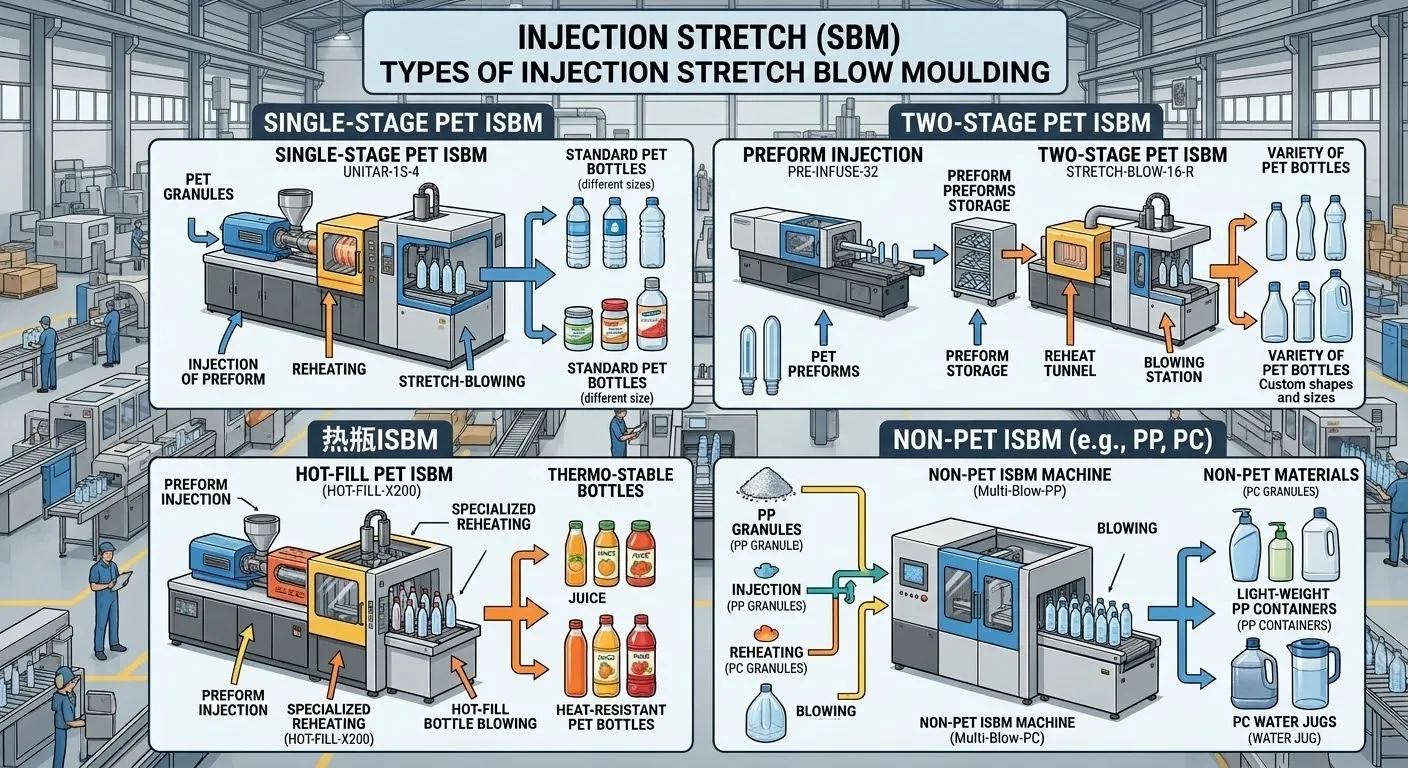
இதற்கு மாறாக, ஒற்றை நிலை இயந்திரங்கள், புதிதாக உட்செலுத்தப்பட்ட சூடான முன்வடிவத்தை நேரடியாக ஒரு பதப்படுத்தும் நிலையத்திற்கு மாற்றுகின்றன. இந்த இயந்திரம், ஏற்கனவே சூடாக இருக்கும் பிளாஸ்டிக்கின் வெப்பநிலைப் பண்பை நுட்பமாகச் சரிசெய்வதற்காக, மிகவும் இலக்கு வைக்கப்பட்ட, குறைந்த வாட்டேஜ் கொண்ட மின்சார வெப்பமூட்டும் கூறுகளை மட்டுமே பயன்படுத்துகிறது. வழக்கமான உற்பத்திச் சுழற்சிகளுக்கு, இது போன்ற தளங்கள்... EP-BPET-125V4 4-ஸ்டேஷன் இன்ஜெக்ஷன் ஸ்ட்ரெட்ச் ப்ளோ மோல்டிங் மெஷின் மற்றும் அந்த EP-BPET-70V4 4-ஸ்டேஷன் இன்ஜெக்ஷன் ஸ்ட்ரெட்ச் ப்ளோ மோல்டிங் மெஷின் தனித்த மறுசூடாக்கும் அடுப்புகளுக்குத் தேவைப்படும் மின்சாரத்தில் ஒரு சிறு பகுதியை மட்டுமே பயன்படுத்தி, இந்த மிகவும் திறமையான வெப்ப விவரக்குறிப்பை கச்சிதமாகச் செயல்படுத்துங்கள். உள் அழுத்தத்தைத் தடுப்பதற்காக நீண்ட நேரம் வெப்பத்தில் ஊறவைக்கப்பட வேண்டிய, மிகவும் சிறப்பு வாய்ந்த வடிவியல் கொள்கலன்களுக்கு, EP-HGYS280-V6 6-ஸ்டேஷன் இன்ஜெக்ஷன் ஸ்ட்ரெட்ச் ப்ளோ மோல்டிங் மெஷின் விரிவாக்கப்பட்ட சீரமைப்பு நிலையங்களை வழங்குகிறது. இது அடிப்படை மின் நுகர்வை சற்றே அதிகரித்தாலும், சிக்கலான சமச்சீரற்ற நீட்சிப் பணிகளுடன் தொடர்புடைய கழிவு விகிதங்களை நீக்குவதன் மூலம், எண்ணற்ற ஆயிரக்கணக்கான டாலர்களைச் சேமிக்கிறது.
மேலும், எவர்-பவர் வடிவமைப்புகள் தனிப்பயன் ஒரு-படி ஊசி நீட்சி ஊதுகுழல் அச்சுகள் வெப்ப இயக்கவியல் ரீதியாக உகந்ததாக்கப்பட்டவை. கருவியமைப்பிலேயே நேரடியாகத் துல்லியமான நீர் குளிர்விப்பு வழிகளை வடிவமைப்பதன் மூலம், இயந்திரம் குளிர்விக்கப்பட்ட நீரைச் சுழற்றுவதற்குச் செலவிட வேண்டிய நேரத்தைக் குறைக்கிறோம், அதன்மூலம் உங்கள் துணை குளிர்விப்பு உபகரணங்களின் மீதான ஆற்றல் சுமையையும் குறைக்கிறோம்.
முன்னுதாரண மாற்றம்: செர்வோ மின்சார மற்றும் ஹைட்ராலிக் இயக்கிகள்
ஒரு ISBM இயந்திரத்தின் மின் நுகர்வை மதிப்பிடும்போது, அதன் நகரும் பாகங்களை இயக்கும் தொழில்நுட்ப அமைப்பே இறுதித் தீர்மானிக்கும் காரணியாக அமைகிறது. வரலாற்று ரீதியாக, இந்தத் தொழில் முழுவதும் ஹைட்ராலிக் எண்ணெய் அமைப்புகளையே சார்ந்திருந்தது. இயந்திரம் இடைநிறுத்தப்பட்டிருந்தாலும் அல்லது பிளாஸ்டிக் குளிர்வதற்காகக் காத்திருந்தாலும் கூட, அமைப்பில் நிலையான எண்ணெய் அழுத்தத்தைப் பராமரிப்பதற்காக, ஒரு பிரம்மாண்டமான மைய மின்சார மோட்டார் தொடர்ந்து இயங்கி, ஒரு ஹைட்ராலிக் பம்பைச் சுழற்றுகிறது. இந்தத் தொடர்ச்சியான இயங்கும் நிலை, குறிப்பிடத்தக்க மற்றும் தவிர்க்க முடியாத ஆற்றல் விரயத்திற்கு வழிவகுக்கிறது.
முழுவதும் மின்சாரத்தில் இயங்கும், செர்வோ மோட்டார் பொருத்தப்பட்ட கட்டமைப்பின் அறிமுகம், பேக்கேஜிங் துறையின் செயல்பாட்டுச் செலவினங்களில் ஒரு புரட்சியை ஏற்படுத்தியது. செர்வோ மோட்டார்கள் அடிப்படையில் வேறுபட்டவை. ஒரு இயக்கத்திற்கு உண்மையில் கட்டளையிடப்படும்போது மட்டுமே அவை மின்சாரத்தை எடுத்துக்கொள்கின்றன. அச்சு இறுக்கமாக மூடப்பட்டு, பாட்டில் குளிர்வதற்காகக் காத்திருக்கும்போது, அந்த அழுத்தத்தைத் தக்கவைக்கும் செர்வோ மோட்டார் ஏறக்குறைய மின்சாரத்தை எடுத்துக்கொள்வதில்லை. இழுவைத் தண்டு கீழே இறங்குவதற்காகக் காத்திருக்கும்போது, அதன் மோட்டார் சத்தமின்றி அசைவின்றி இருக்கும். இந்த "தேவைக்கேற்ப ஆற்றல்" வழங்கும் செயல்பாடு, மொத்த ஆற்றல் நுகர்வை வியத்தகு முறையில் குறைக்கிறது.
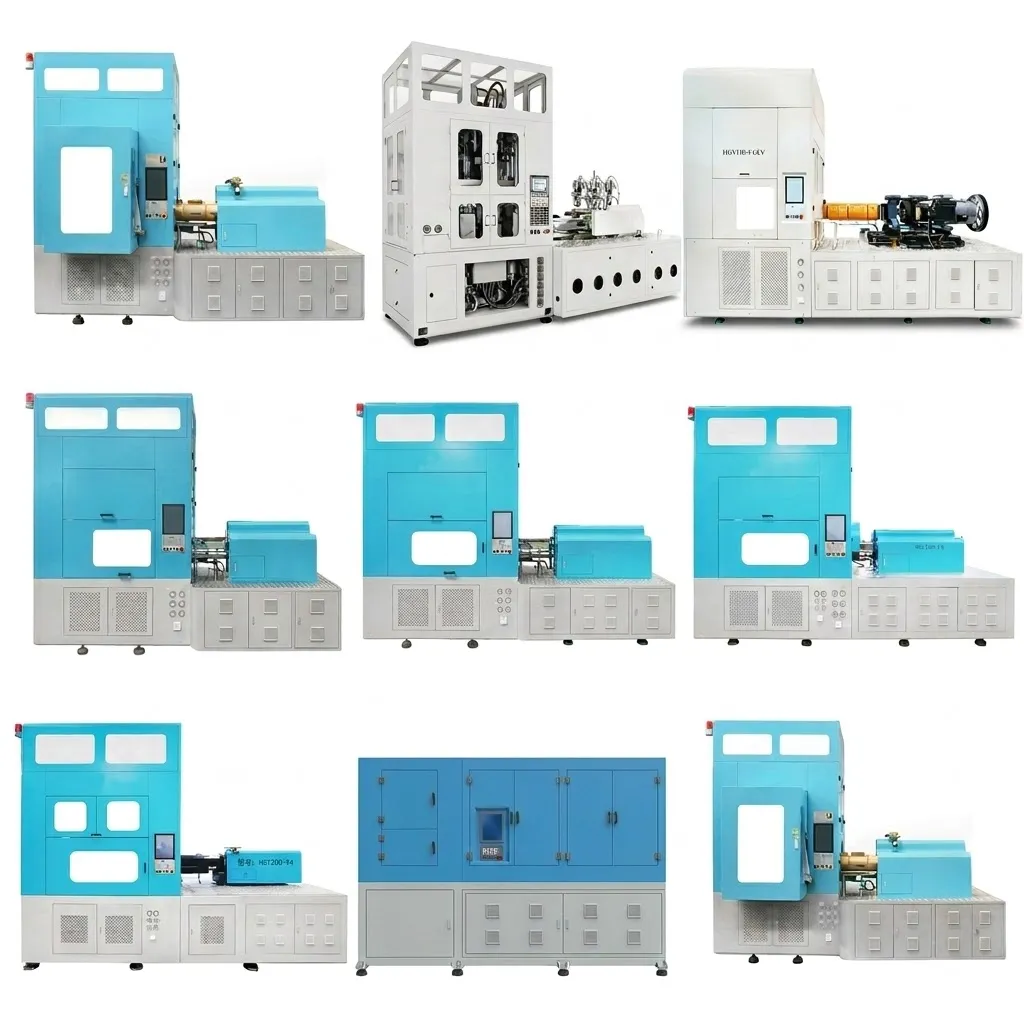
மேம்பட்ட உற்பத்தியில் பிரேசிலின் முன்னணி நிபுணராக, எவர்-பவர் உயர்தர முழுமையான செர்வோ தீர்வுகளை வழங்குகிறது. EP-HGY150-V4-EV ஃபுல் சர்வோ 4-ஸ்டேஷன் இன்ஜெக்ஷன் ஸ்ட்ரெட்ச் ப்ளோ மோல்டிங் மெஷின் மற்றும் மிகவும் கச்சிதமான EP-HGY50-V3-EV முழு சர்வோ இன்ஜெக்ஷன் ஸ்ட்ரெட்ச் ப்ளோ மோல்டிங் மெஷின் ஆற்றல் திறனின் உச்சகட்டத்தை இவை பிரதிபலிக்கின்றன. சம அளவுள்ள பாரம்பரிய ஹைட்ராலிக் இயந்திரங்களை விட, இந்த முழு மின்சார அமைப்புகள் முப்பது முதல் ஐம்பது சதவீதம் வரை குறைவான மின்சாரத்தையே பயன்படுத்துகின்றன என்பதை களத் தரவுகள் தொடர்ந்து நிரூபிக்கின்றன. செர்வோ தொழில்நுட்பத்திற்கான ஆரம்ப மூலதனச் செலவு அதிகமாக இருந்தாலும், மாதாந்திர பயன்பாட்டுக் கட்டணங்களில் ஏற்படும் மிகப்பெரிய குறைப்பு, முதலீட்டின் மீதான வருவாயை வெகுவாக விரைவுபடுத்துகிறது. இதனால், தொலைநோக்குப் பார்வை கொண்ட பெருநிறுவன நிதித் துறைகளுக்கு இவை ஒரு சிறந்த தேர்வாக அமைகின்றன.
அதிக கொள்ளளவு செயல்திறன்: ஒரு பாட்டிலுக்கான ஆற்றல் அளவீடு
மிகப்பெரிய தொழில்துறை உற்பத்திக்கு விரிவுபடுத்தும்போது, இயந்திரத்தின் மொத்த கிலோவாட் நுகர்வில் மட்டும் கவனம் செலுத்துவது ஒரு தவறான அணுகுமுறையாகும். உங்கள் நிகர லாபத்திற்கு உண்மையிலேயே முக்கியமான ஒரே அளவுகோல், உற்பத்தி செய்யப்படும் ஒவ்வொரு பாட்டிலுக்கும் நுகரப்படும் ஆற்றல்தான். அதிக சக்தியைப் பயன்படுத்தும் ஒரு பிரம்மாண்டமான இயந்திரம், ஒரு மணி நேரத்திற்குப் பல்லாயிரக்கணக்கான பாட்டில்களை உற்பத்தி செய்தால், அது நம்பமுடியாத அளவிற்குத் திறமையானதாக இருக்கும்.
இந்த முக்கியமான ஆற்றல்-வெளியீட்டு விகிதத்தை மேம்படுத்துவதற்காக, எவர்-பவர் புரட்சிகரமான இரட்டை வரிசை கருவி கட்டமைப்புகளை உருவாக்கியது. இது போன்ற தளங்கள் EP-HGY250-V4-B இரட்டை-வரிசை 4-நிலைய ஊசி நீட்சி ஊதுகுழல் மோல்டிங் இயந்திரம் மற்றும் அந்த EP-HGY200-V4-B 4-ஸ்டேஷன் இன்ஜெக்ஷன் ஸ்ட்ரெட்ச் ப்ளோ மோல்டிங் மெஷின் இவை பொறியியல் தலைசிறந்த படைப்புகள். இரட்டை வரிசை உட்செலுத்துக் குழிகள் மற்றும் ஊது அச்சுகளை ஒருங்கிணைப்பதன் மூலம், ஒரு இயந்திர சுழற்சிக்கு இயந்திரத்தின் உற்பத்தி வெளியீட்டை நாங்கள் திறம்பட இரட்டிப்பாக்குகிறோம். மிக முக்கியமாக, இந்த சுழற்சியைச் செயல்படுத்த இயந்திரம் இருமடங்கு மின்சாரத்தைப் பயன்படுத்துவதில்லை. கனமான கருவிகளை நகர்த்துவதற்கு மோட்டார்கள் சற்றே கடினமாகச் செயல்படுகின்றன, ஆனால் இயந்திரத்தை இயக்கத் தேவையான அடிப்படை ஆற்றல் நிலையானதாகவே உள்ளது. இதன் விளைவாக, ஒரு தனிப்பட்ட பாட்டிலுக்கான மின்சாரச் செலவு பெருமளவில் குறைகிறது, இது வழக்கமான ஒற்றை வரிசை உபகரணங்களைப் பயன்படுத்தும் போட்டியாளர்களை விட, மிகப்பெரிய பெருநிறுவன குளிர்பான மற்றும் இரசாயன விநியோகஸ்தர்களுக்கு ஈடு இணையற்ற விலை நன்மையை வழங்குகிறது.
தொழில்துறையின் முதுகெலும்பு: தரமான ஹைட்ராலிக் தளங்கள்
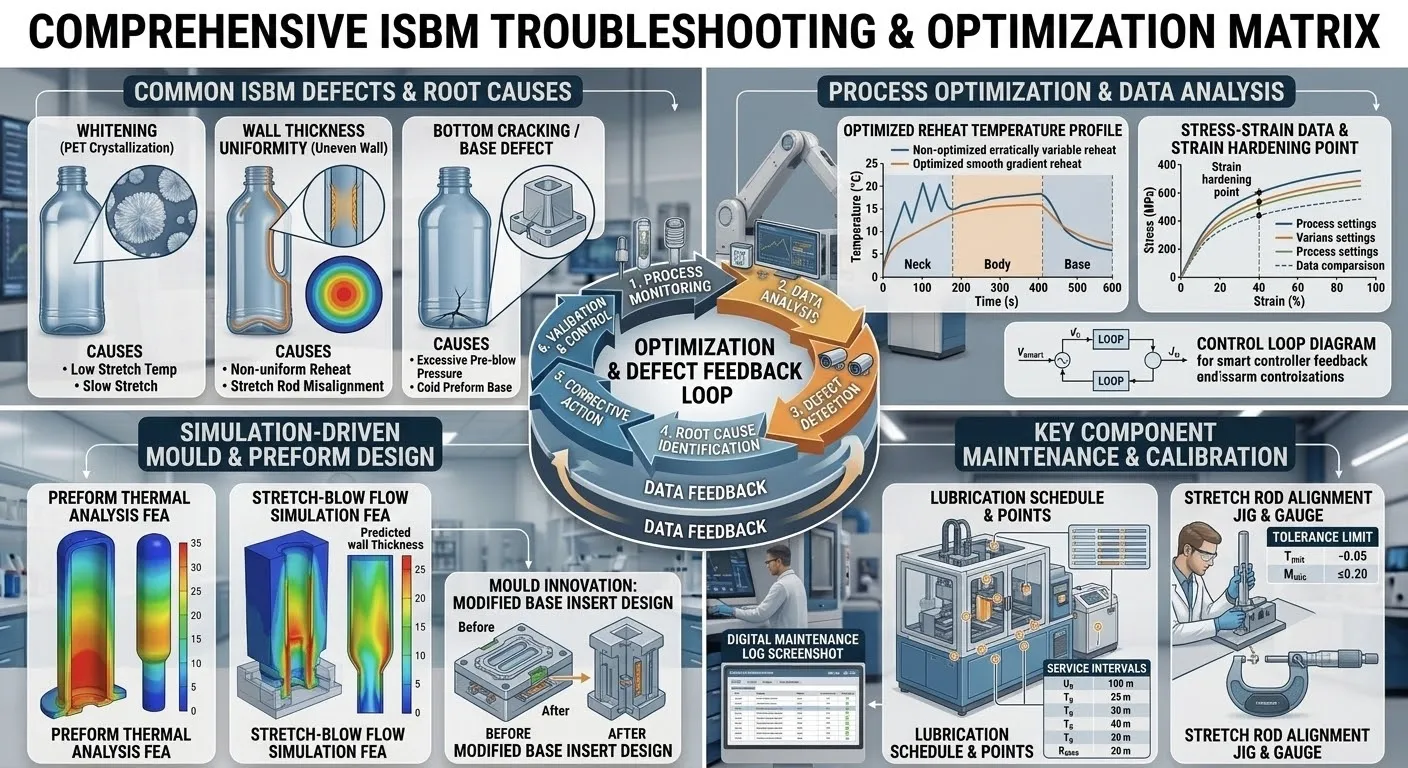
முழுமையான செர்வோ தொழில்நுட்பம் எதிர்காலத்தைக் குறிக்கும் அதே வேளையில், நவீன ஹைட்ராலிக் அமைப்புகள் அவற்றின் மகத்தான நீடித்துழைக்கும் தன்மை, தீவிரமான இறுக்கும் விசைகள் மற்றும் எளிதில் அணுகக்கூடிய மூலதனக் கொள்முதல் செலவுகள் ஆகியவற்றின் காரணமாக உலகளாவிய பேக்கேஜிங் துறையின் முழுமையான முதுகெலும்பாகத் திகழ்கின்றன. தற்கால ஹைட்ராலிக் ISBM இயந்திரங்கள், அவற்றின் முந்தைய இயந்திரங்களை விட மிக அதிக ஆற்றல் திறன் கொண்டவை என்பதைக் குறிப்பிடுவது மிகவும் அவசியம்.
எவர்-பவர், எங்களின் வழக்கமான தொழில்துறை உற்பத்தி வரிசைகளில் மிகவும் மேம்பட்ட, மாறும் இடப்பெயர்வு பம்புகள் மற்றும் அறிவார்ந்த விகிதாசார வால்வுகளைப் பொருத்துகிறது. தொடர்ந்து அதிகபட்ச அழுத்தத்தில் இயங்கிய பழைய அமைப்புகளைப் போலல்லாமல், எங்களின் நவீன ஹைட்ராலிக் அமைப்புகள், உடனடி இயந்திரச் செயல்பாட்டிற்குத் தேவையான சரியான திரவ அழுத்தத்தை மட்டுமே உருவாக்குகின்றன. இயந்திரம் இறுக்கும் விசையைப் பிடித்துக்கொண்டிருக்கும்போது, பம்ப் அதன் வெளியீட்டை அறிவார்ந்த முறையில் குறைத்து, மின்சாரப் பயன்பாட்டைக் கணிசமாகக் குறைக்கிறது. வழக்கமான, உறுதியான உற்பத்திச் சூழல்களுக்கு, ஒற்றை வரிசை அமைப்பு மிகவும் பொருத்தமானது. EP-HGY250-V4 4-ஸ்டேஷன் இன்ஜெக்ஷன் ஸ்ட்ரெட்ச் ப்ளோ மோல்டிங் மெஷின், பல்துறை EP-HGY200-V4 4-ஸ்டேஷன் இன்ஜெக்ஷன் ஸ்ட்ரெட்ச் ப்ளோ மோல்டிங் மெஷின்மற்றும், மிகவும் நம்பகமான EP-HGY150-V4 4-ஸ்டேஷன் இன்ஜெக்ஷன் ஸ்ட்ரெட்ச் ப்ளோ மோல்டிங் மெஷின் மிகவும் மதிக்கத்தக்க மற்றும் கணிக்கக்கூடிய மின்சார நுகர்வு முறையைப் பராமரிக்கும் அதே வேளையில், இடைவிடாத, அதிக அளவிலான உற்பத்தியை வழங்குதல்.
மிகவும் நெறிப்படுத்தப்பட்ட கட்டமைப்பைத் தேடும் குறிப்பிட்ட வகை உற்பத்தியாளர்களுக்கு, EP-BPET-94V3 3-ஸ்டேஷன் இன்ஜெக்ஷன் ஸ்ட்ரெட்ச் ப்ளோ மோல்டிங் மெஷின் பிரத்யேக வெப்பச் சீரமைப்பு நிலையத்தை இது முழுமையாக நீக்குகிறது. தேவையான சரியான அளவு உள்ளுறை வெப்பத்தைத் தக்கவைக்கும் வகையில் உட்செலுத்துக் கருவிகளைத் திறமையாக வடிவமைப்பதன் மூலம், முன்வடிவமானது உட்செலுத்து நிலையத்திலிருந்து நேரடியாக நீட்டிப்பு ஊதுதல் நிலையத்திற்குக் கொண்டு செல்லப்படுகிறது. இயந்திரக் கட்டமைப்பிலிருந்து ஒரு முழுமையான பணிநிலையத்தை நீக்குவது, மொத்த மின்சாரச் சுமையை இயல்பாகவே குறைக்கிறது. இதனால், இந்த மூன்று நிலைய அமைப்பு, குறிப்பிட்ட, வடிவியல் ரீதியாக எளிமையான கொள்கலன் வடிவமைப்புகளுக்கு விதிவிலக்காக ஆற்றல் திறன்மிக்க ஒரு தேர்வாக அமைகிறது.
மறைக்கப்பட்ட ஆற்றல் நுகர்வுகள்: துணை உபகரணத் தேவைகள்
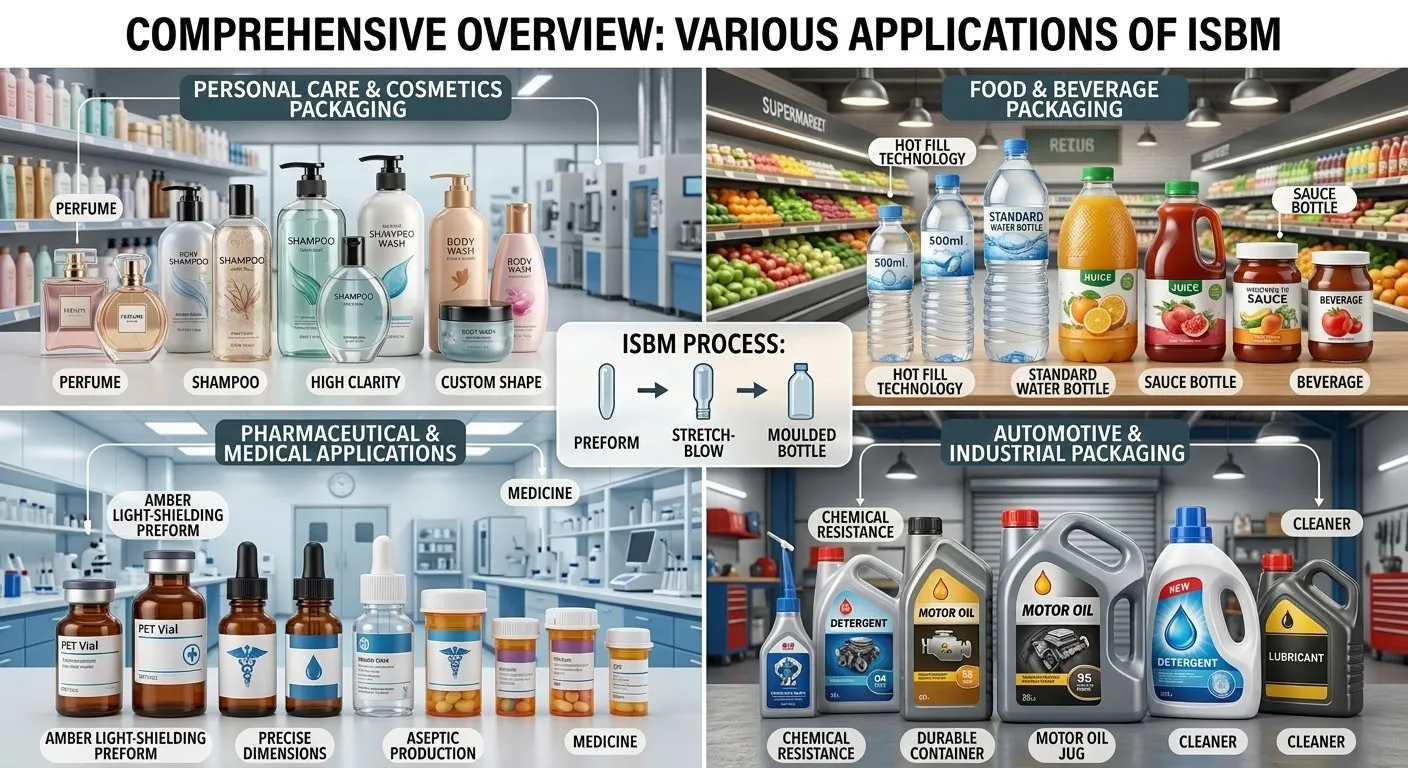
தொழிற்சாலை திட்டமிடுபவர்கள் அடிக்கடி செய்யும் ஒரு முக்கியத் தவறு என்னவென்றால், ISBM இயந்திரத்தின் மின் நுகர்வில் மட்டுமே முழுமையாகக் கவனம் செலுத்தி, அதற்குத் தேவையான பிரம்மாண்டமான மின்சார உள்கட்டமைப்பைப் புறக்கணிப்பதாகும். தொடர்ச்சியான செயல்பாட்டிற்குத் தேவையான துணை உபகரணங்கள், முதன்மை வார்ப்பு இயந்திரத்தைப் போலவே அல்லது அதைவிட அதிகமாகவே மின்சாரத்தை எடுத்துக்கொள்கின்றன.
- உயர் அழுத்த காற்று அமுக்கிகள்
சூடான பிளாஸ்டிக்கை அச்சின் சுவர்களுக்கு எதிராக அழுத்தி, மேற்பரப்பில் முழுமையான நேர்த்தியை உருவாக்க, காற்று அழுத்த நிலையத்திற்கு மிக அதிக அளவிலான, அடிக்கடி முப்பத்தைந்து பாரைத் தாண்டும் அமுக்கப்பட்ட காற்று தேவைப்படுகிறது. இந்தத் தீவிரமான காற்றழுத்தத்தை உருவாக்கிப் பராமரிக்க, தொடர்ச்சியாகப் பெருமளவு மின்சாரத்தைப் பயன்படுத்தும் பிரம்மாண்டமான தொழில்துறை காற்று அமுக்கிகள் தேவைப்படுகின்றன. - ரெசின் ஈரப்பத நீக்கும் உலர்த்திகள்
பாலிமர் ரெசின்கள், குறிப்பாக PET, அதிக ஈரத்தை உறிஞ்சும் தன்மை கொண்டவை. அவற்றை உருக்குவதற்கு முன், அவற்றிலுள்ள ஈரப்பதம் முழுவதுமாக அகற்றப்பட வேண்டும். உலர்த்தும் அமைப்புகள், செயலாக்கத்திற்கு முன்பாக, ரெசின் உருண்டைகளை அதிக வெப்பநிலையில் பல மணிநேரம் சூடாக்குவதற்கு கனமான மின்சார வெப்பமூட்டிகளைப் பயன்படுத்துகின்றன. இந்தத் தொடர்ச்சியான உலர்த்தும் அமைப்புகள், உங்கள் தொழிற்சாலையின் மின் கட்டமைப்புக்கு ஒரு கணிசமான, நிலையான சுமையை ஏற்படுத்துகின்றன. - தொழில்துறை நீர் குளிர்விப்பான்கள்
வேகமான சுழற்சி நேரங்களைப் பராமரிப்பதற்கும், ஒளியியல் தெளிவை உறுதி செய்வதற்கும், உட்செலுத்துதல் மற்றும் ஊதுதல் அச்சுகளுக்குள் உள்ள பிளாஸ்டிக்கை விரைவாக உறைய வைப்பது இன்றியமையாதது. அமைப்பின் கண்டிப்பான வெப்ப இயக்கவியல் சமநிலையைப் பராமரிப்பதற்காக, சிக்கலான கருவி வழித்தடங்கள் வழியாக உறைபனி நீரை உந்தித் தள்ள, அதிக கொள்ளளவு கொண்ட தொழில்துறை நீர் குளிர்விப்பான்களும் சுழற்சிப் பம்புகளும் தொடர்ச்சியாக இயங்க வேண்டும்; இது கணிசமான ஆற்றலை எடுத்துக்கொள்கிறது.
எவர்-பவர் உடன் உங்கள் ஆற்றல் உத்தியை வடிவமைத்தல்
ஒரு ISBM இயந்திரத்தின் துல்லியமான மின் நுகர்வைக் கண்டறிய, ஆழ்ந்த பகுப்பாய்வு மற்றும் மிகவும் தனிப்பயனாக்கப்பட்ட பொறியியல் அணுகுமுறை தேவைப்படுகிறது. பொதுவான உபகரண கையேடுகளின் அடிப்படையில் உங்கள் செயல்பாட்டுச் செலவினங்களை மதிப்பிட முயற்சிப்பது, தவிர்க்க முடியாமல் கடுமையான நிதித் தவறுகளுக்கு வழிவகுக்கும். உங்கள் குறிப்பிட்ட உற்பத்தி இலக்குகளின் அடிப்படையில், துல்லியமான வெப்ப இயக்கவியல் மற்றும் மின்சார மாதிரியாக்கத்தைச் செயல்படுத்தும் திறன் கொண்ட ஒரு உற்பத்தி கூட்டாளர் உங்களுக்குத் தேவை.
உலகளவில் அங்கீகரிக்கப்பட்ட ஒரு பிரேசிலிய ISBM உற்பத்தியாளராக, எவர்-பவர் ஆற்றல் பகுப்பாய்வு தொடர்பாக முன் எப்போதும் இல்லாத வெளிப்படைத்தன்மையை வழங்குகிறது. நீங்கள் எங்கள் பொறியியல் குழுக்களுடன் கலந்தாலோசிக்கும்போது, உங்கள் கொள்கலனின் துல்லியமான வடிவம், உங்களுக்குத் தேவைப்படும் மணிநேர உற்பத்தி மற்றும் உங்கள் பிராந்தியப் பயன்பாட்டுச் செலவுகள் ஆகியவற்றை நாங்கள் பகுப்பாய்வு செய்கிறோம். அதன்பிறகு, செர்வோ மின்சாரத் துல்லியம், இரட்டை வரிசை கொள்ளளவுத் திறன் மற்றும் அறிவார்ந்த ஹைட்ராலிக் ஆற்றல் ஆகியவற்றின் உகந்த சமநிலையைப் பயன்படுத்தி, உங்களுக்கென ஒரு பிரத்யேக உற்பத்திச் சூழலமைப்பை நாங்கள் வடிவமைக்கிறோம். இதன்மூலம், உங்கள் போட்டித் துறையிலேயே ஒரு பாட்டிலுக்கான உங்கள் செலவு மிக மிகக் குறைவாக இருப்பதை நாங்கள் உறுதிசெய்கிறோம்.
உங்கள் செயல்பாட்டுச் செலவினங்களை இன்றே உகந்ததாக்குங்கள்
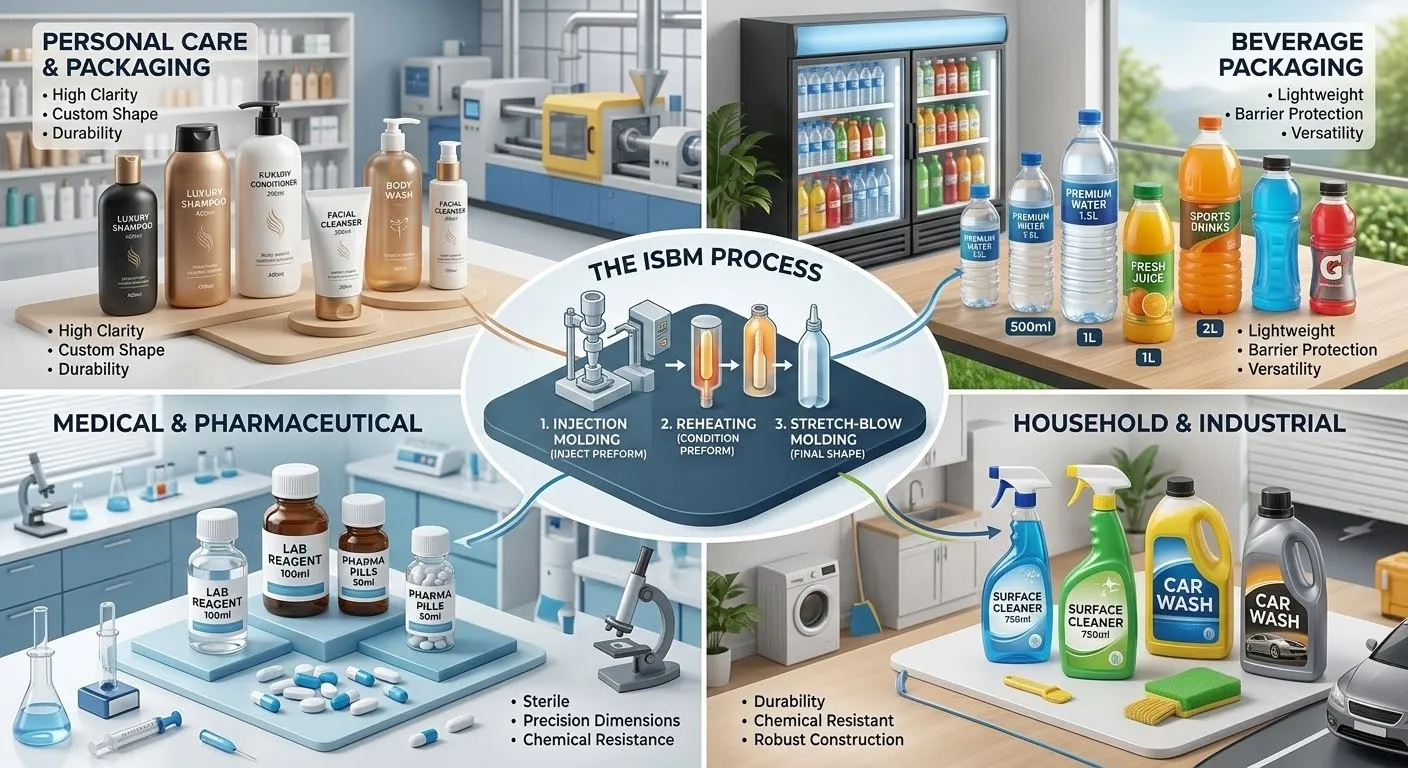
கட்டுப்பாடற்ற ஆற்றல் நுகர்வு உங்கள் நிறுவனத்தின் இலாப வரம்புகளைச் சிதைக்க அனுமதிக்காதீர்கள். உலகச் சந்தையில் கிடைக்கக்கூடிய, மிகவும் ஆற்றல் திறன்மிக்க மற்றும் தொழில்நுட்ப ரீதியாக மேம்பட்ட இன்ஜெக்ஷன் ஸ்ட்ரெட்ச் ப்ளோ மோல்டிங் உள்கட்டமைப்பை நிறுவுவதற்கு, ஒரு துறைசார் நிபுணருடன் கூட்டு சேருங்கள்.
உங்களின் வரவிருக்கும் பேக்கேஜிங் ஆலைக்கான, துல்லியமான மற்றும் தரவு அடிப்படையிலான ஆற்றல் நுகர்வுப் பகுப்பாய்வைப் பெறத் தயாராக உள்ளீர்களா? எங்கள் பெருநிறுவனத் தலைமையகத்திற்கு வருகை தாருங்கள். https://isbmmolding.com/ அல்லது எங்கள் உயர் கொள்முதல் பொறியியல் குழுவை நேரடியாக தொடர்பு கொள்ளவும் [email protected] உங்கள் தொழில்நுட்ப ஆலோசனையைத் தொடங்குவதற்கு.